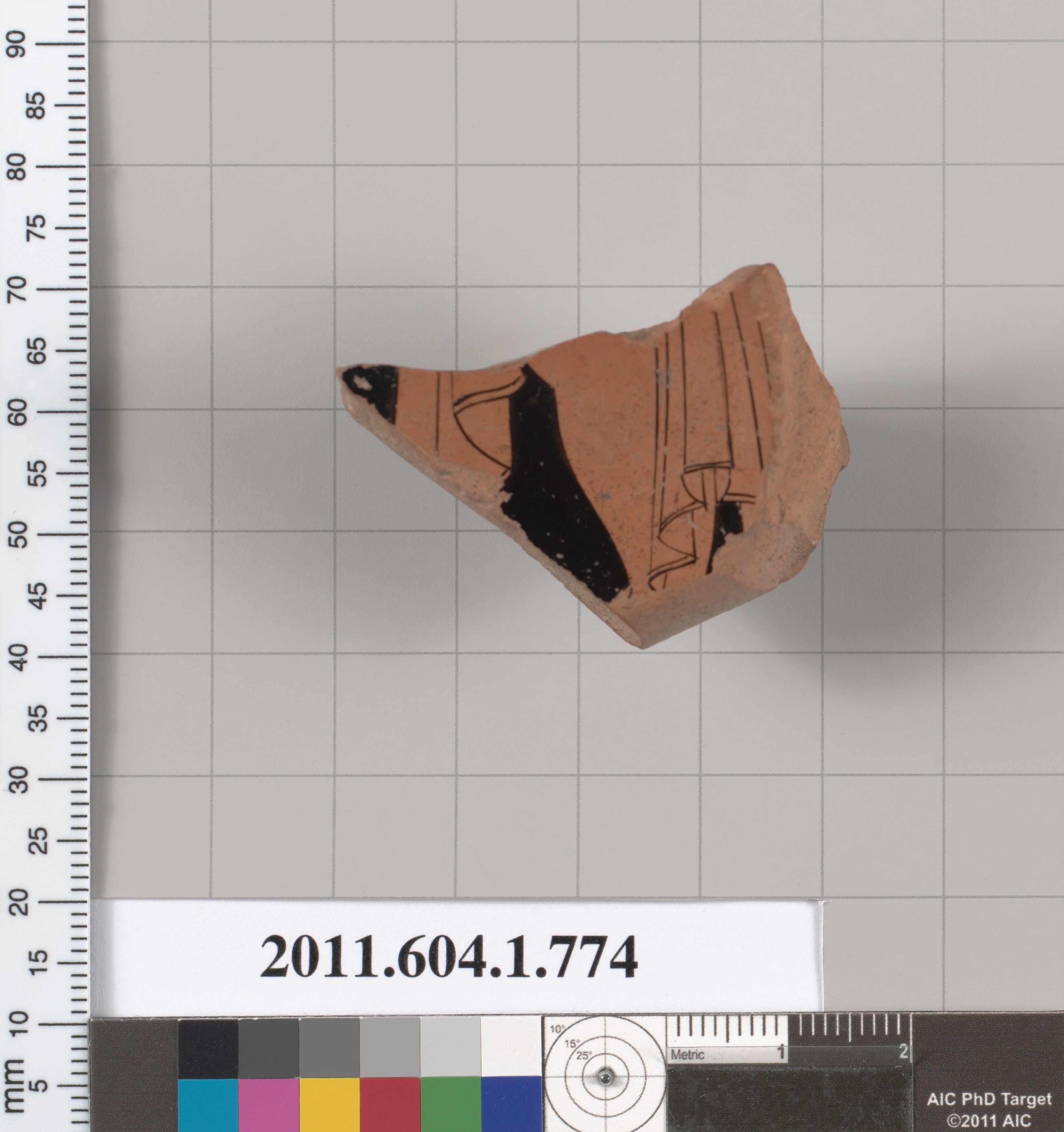
The Dialectic of Restraint and Release: An Attic Kylix Fragment and the 2026 Silhouette of Quiet Power
The internal genetic code of Lauren Fashion, as deciphered from the aesthetic dialogue between Han Gan’s Portrait of Night-Shining White and Yun Shouping’s Album of One Hundred Flowers: Peony and Plum Blossom, establishes a foundational tension. It is the tension between the monochromatic, potent, and structurally bound, and the polychromatic, serene, and organically fluid. To project this dialectic onto the 2026 “Old Money” silhouette—a concept denoting not mere wealth but inherited cultural capital, discretion, and enduring authority—requires a transhistorical lens. The terracotta fragment of an Attic kylix (drinking cup), circa 460-450 BCE, serves not as a literal template, but as a profound philosophical and formal interlocutor. This artifact, a relic of Athenian symposia, encapsulates a parallel dichotomy of containment and expression, structure and vitality, which directly informs the cutting philosophy for the coming season.
The Kylix Fragment: Vessel as a World
At first glance, the fragment is a study in severe geometry and bounded space. The kylix itself is a wide, shallow bowl with two horizontal handles, a form defined by its circular rim and conical foot—a architecture of perfect symmetry and social ritual. The surviving fragment, typically featuring a portion of the tondo (the central interior image), is bounded by the unwavering, sharp line of the rim. This line acts as Han Gan’s taut tether and upright post; it is the absolute, defining boundary of the vessel’s universe. Within this disciplined frame, however, unfolds a world of dynamic life. Athenian vase-painting, in its red-figure technique, masters the art of suggestion through line. A few precise strokes delineate the curve of a shoulder, the fall of drapery, or the posture of a reveler. The terracotta ground is not a void but a vibrant, breathing negative space, akin to the “living blankness” in Chinese painting. It is a field against which the figure gains its presence, a shared formal principle with Night-Shining White, where the horse’s form is conjured from vast expanses of untouched silk.
This fragment embodies the Greek ideal of sophrosyne—often translated as temperance, moderation, or disciplined harmony. The kylix’s form is a vessel of restraint, designed for the controlled consumption of wine. Yet, the imagery within often alludes to Dionysian release, poetic discourse, or heroic narrative. The physical object is the logos (reason, structure), while the painted scene represents the mythos (story, passion). Their coexistence within a single, refined artifact mirrors the Lauren genetic code: the powerful, structured silhouette (Night-Shining White) containing and giving form to a narrative of lush, natural vitality (One Hundred Flowers).
Informing the 2026 Old Money Silhouette: Architecture and the Unspoken Narrative
The 2026 Old Money silhouette, informed by this dialectic, moves beyond nostalgic replication toward a contemporary expression of cultivated power. It is a silhouette built on the architectural principles of the kylix: defined, seemingly immutable boundaries that house a deeply personal, fluid narrative.
The Structural Frame: Tether and Tondo
The foundational layer of the silhouette takes its cue from the kylix’s unwavering rim and the taut tether of Han Gan’s masterpiece. This translates into precision tailoring with a focus on internal architecture. Think of dresses and coats built upon a foundation of hidden corsetry or structured internal seams—not for restrictive shaping, but to create a flawless, columnar, or gently amphoral form. Shoulders are defined, often with a subtle, natural padding that echoes the kylix’s handles—points of interaction and strength. Waists are acknowledged, not cinched, through strategic seaming that suggests rather than dictates form, much like the contour lines on the vase. The silhouette’s outer edge is clean, sharp, and authoritative, a “vessel” of impeccable restraint in Heritage-Black wool, cashmere, or silk wool. This is the sophrosyne in cloth: a visible embodiment of discipline and quiet authority.
The Contained Vitality: The Figure in the Field
Within this strict architectural frame, the narrative of life unfolds—the equivalent of the painted figure within the tondo or Yun Shouping’s blooms. This is where color, texture, and meticulous detail introduce the “Old Money” sense of inherited, personal cultivation. The austerity of a Heritage-Black wool coat is disrupted not by pattern, but by the breathtaking tactility of the material itself: a velvet collar as plush as a midnight garden, a lining of antique gold-thread brocade that whispers of private wealth, or a sleeve vent revealing a flash of hand-painted silk reminiscent of porcelain florals. The “no bone method” finds its expression in the manipulation of fabric. Draped silk jersey, cut on the bias, may cascade from a structured bodice like liquid, its color a deep, melancholic plum or a serene celadon—colors felt, not shouted. A tailored jacket in rigid wool might feature a rounded, organic-shaped button carved from horn or jade, a single, perfect detail against a vast plain.
The ultimate expression is in the dialectic of the single piece. A columnar evening gown in matte faille silk presents a stark, graphic silhouette from afar (Night-Shining White). Upon approach, the surface reveals an intricate, nearly invisible embroidery of trailing wisteria or geometric Greek key patterns, executed in threads only slightly off the ground color, catching the light with movement (One Hundred Flowers). The drama is internal, the release contained, the wealth of narrative reserved for the intimate gaze.
Conclusion: The Complete Vessel
The Attic kylix fragment, therefore, provides a classical Western correlative to Lauren’s Eastern aesthetic spectrum. It teaches that true, enduring elegance—the “Old Money” ideal—is a vessel of contradictions. It is the symposium of restraint and release, where the strength of the form (the kylix’s rim, the tether, the tailored seam) exists precisely to enable and dignify the vitality within (the painted figure, the straining horse, the hidden brocade). The 2026 silhouette is not about historical costume, but about embodying this timeless principle. It is clothing as a world unto itself: architecturally serene on the surface, yet rich with unspoken history, personal poetry, and cultivated life within its bounds. It completes the aesthetic pilgrimage from the monumental force of the steed to the intimate delight of the blossom, now framed within the dignified, enduring vessel of contemporary grace.