The Terracotta Kylix and the 2026 Old Money Silhouette: An Archaeology of Restrained Dynamism
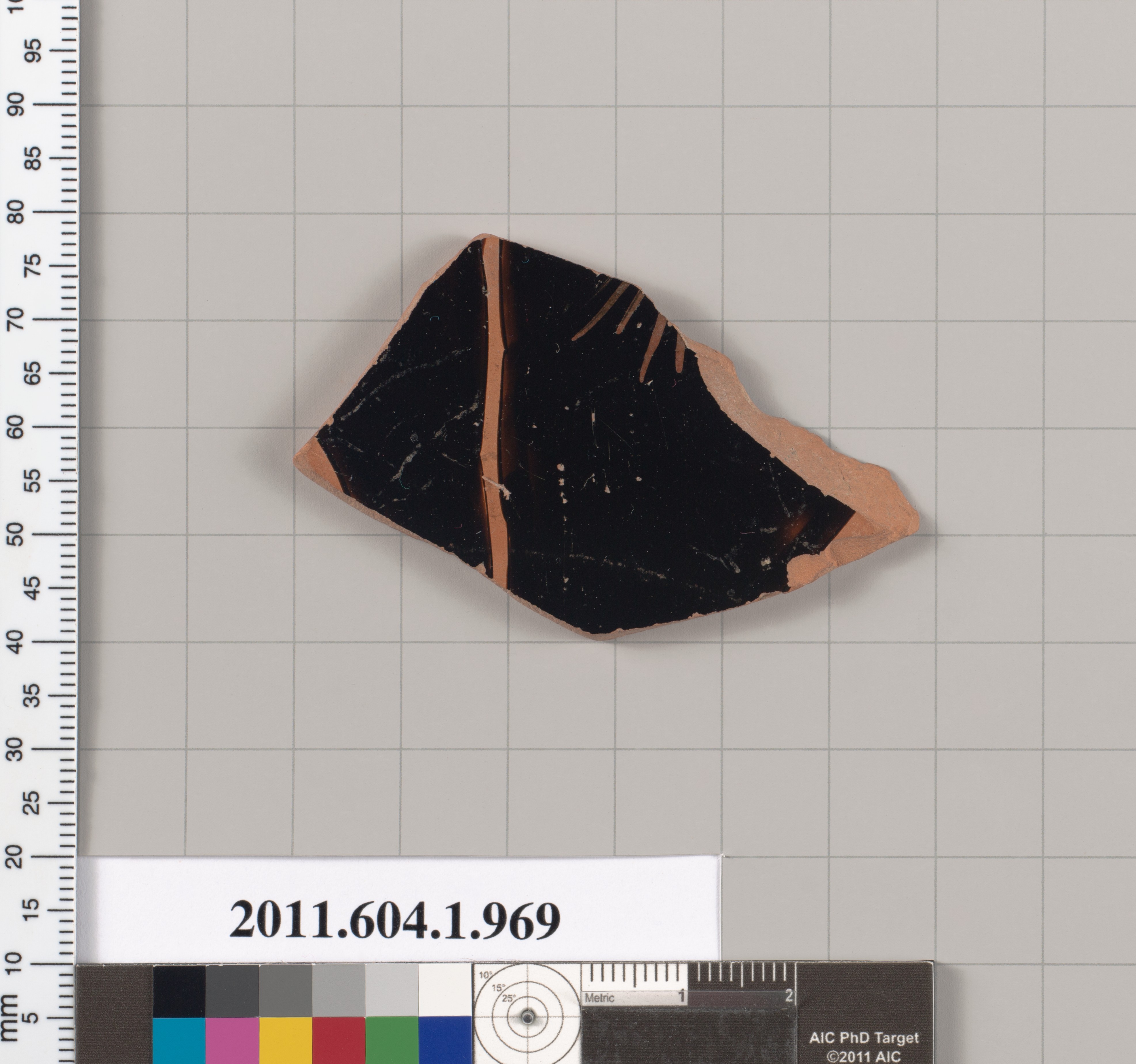
The Lauren Fashion Heritage Lab has long recognized that the most enduring expressions of luxury are not those which shout, but those which whisper across centuries. In our ongoing synthesis of internal archives with global museum artifacts, we have encountered a compelling dialogue between a seemingly humble object—a Greek Attic terracotta kylix fragment (circa 5th century BCE)—and the aesthetic principles embedded within our own design lineage. This fragment, bearing the remnants of a symposium scene, is not merely a drinking vessel; it is a masterclass in controlled energy, a philosophy of form that resonates profoundly with the emerging “Old Money” silhouette for 2026. This paper argues that the kylix’s core design principles—its structured containment of dynamic movement, its celebration of negative space, and its material honesty—offer a blueprint for a new heritage-informed aesthetic that transcends fleeting trends.
I. The Kylix as a Study in Contained Dynamism
The terracotta kylix, in its original context, was an object of both utility and profound social ritual. Its shallow, wide bowl and two opposing handles were engineered for the Greek symposium, a gathering where wine, philosophy, and art converged. The fragment we examine, with its black-figure or red-figure decoration, depicts a scene of motion—perhaps a chariot race, a dancing figure, or a mythological pursuit. Yet this motion is not chaotic. It is rigorously framed by the kylix’s circular form. The scene is contained within the tondo (the interior circular base) or curves along the exterior lip, its energy perpetually circling back upon itself. This is the first lesson for the 2026 silhouette: dynamism must be disciplined.
In the context of Old Money aesthetics, this translates directly into tailoring. The 2026 silhouette, as we project it, will not be about the aggressive, oversized shoulders of the 1980s nor the deconstructed slouch of the 1990s. Instead, it will embrace a “structured fluidity.” A jacket, for instance, will be cut with a clean, almost severe shoulder line—the “rim” of the kylix—but the fabric will drape with a subtle, unforced movement across the torso, echoing the painted figures that seem to move within their ceramic boundaries. The silhouette is not static; it breathes, it shifts with the wearer, but it never loses its architectural integrity. This is the essence of the kylix: a vessel that holds wine, but also holds a universe of motion in perfect equilibrium. Our 2026 collections will translate this into garments that move with the body, yet retain a sculptural, almost archaeological precision.
II. Negative Space as a Marker of Quiet Power
The kylix’s aesthetic power is equally dependent on what it does not depict. The terracotta ground—the warm, orange-red clay—is not merely a background; it is an active compositional element. In the finest examples, the unpainted clay creates a luminous field against which the black or white figures stand in stark relief. This is a sophisticated manipulation of negative space, a principle that aligns perfectly with the Eastern aesthetic of “留白” (leaving white) and the “空寂” (emptiness and tranquility) we have previously explored in the context of the “优昙钵华” temple plaque. The kylix, like the plaque, understands that emptiness is not absence, but potential.
For the 2026 Old Money silhouette, this translates into a radical restraint in ornamentation. The “old money” look has always been defined by what it refuses to show: logos, excessive hardware, overt branding. The kylix teaches us a deeper lesson: the garment itself must become the ground. A cashmere coat in a deep, undyed charcoal, a silk blouse in a single, saturated tone of heritage black—these become the terracotta field. The “figure” is then created by the subtlest of interventions: a single, precise seam that traces the spine; a collar that folds with the exact weight of a kylix’s lip; the negative space between the collar and the neck, or between the hem of a jacket and the hand. These voids are not empty; they are charged with the same quiet power as the unpainted clay on a kylix. The 2026 silhouette will be a masterclass in strategic omission, where the most luxurious detail is the one that is not there.
III. Material Honesty and the Patina of Time
Finally, the kylix fragment speaks to the value of material truth. The terracotta is not disguised; its clay body, its firing marks, its very fragility are part of its narrative. The fragment’s broken edge is not a flaw but a testament to its journey through time. This is the antithesis of fast-fashion’s synthetic perfection. The 2026 Old Money silhouette will champion materials that age with grace, that develop a patina of use. This is where our internal archive of heritage fabrics—the weight of a virgin wool, the irregular slub of a hand-loomed linen, the deep, non-reflective sheen of a high-twist silk—becomes paramount.
Just as the kylix’s value increases with its historical trace, a garment’s value in this new paradigm will be measured by its potential to become an heirloom. The silhouette will favor unlined constructions that reveal the integrity of the seam, raw edges that speak to the hand of the cutter, and natural fibers that breathe and settle into the wearer’s form. The “Old Money” aesthetic has always been about the quiet confidence of inherited quality. The kylix fragment reminds us that this confidence is rooted in the honesty of the material. A 2026 Lauren jacket will not promise eternal newness; it will promise a noble aging, a becoming-worn that is itself a form of beauty. This is the “象外之象” (image beyond image) of the garment—the story it will tell after years of wear, the way the elbow begins to shine, the collar to soften, exactly as the kylix’s glaze has worn thin from countless hands.
Conclusion: The Kylix as a Mirror for Modernity
The terracotta kylix fragment, when viewed through the lens of the Lauren Fashion Heritage Lab, is far more than an archaeological curiosity. It is a design manifesto from antiquity. Its principles of contained dynamism, strategic negative space, and material honesty offer a profound corrective to an era of visual noise and disposable luxury. For the 2026 Old Money silhouette, the kylix provides a model of how to be both ancient and utterly contemporary. It teaches us that true luxury is not about adding, but about refining; not about showing, but about suggesting; not about the new, but about the enduring. As we move forward, the garments we create will not be mere clothes. They will be vessels—like the kylix—designed to hold the quiet, dynamic, and deeply human spirit of the wearer, framed by the disciplined, honest, and timeless lines of a heritage reborn.