The Dialectics of the Void and the Plenitude: A Heritage Research Artifact for Lauren Fashion
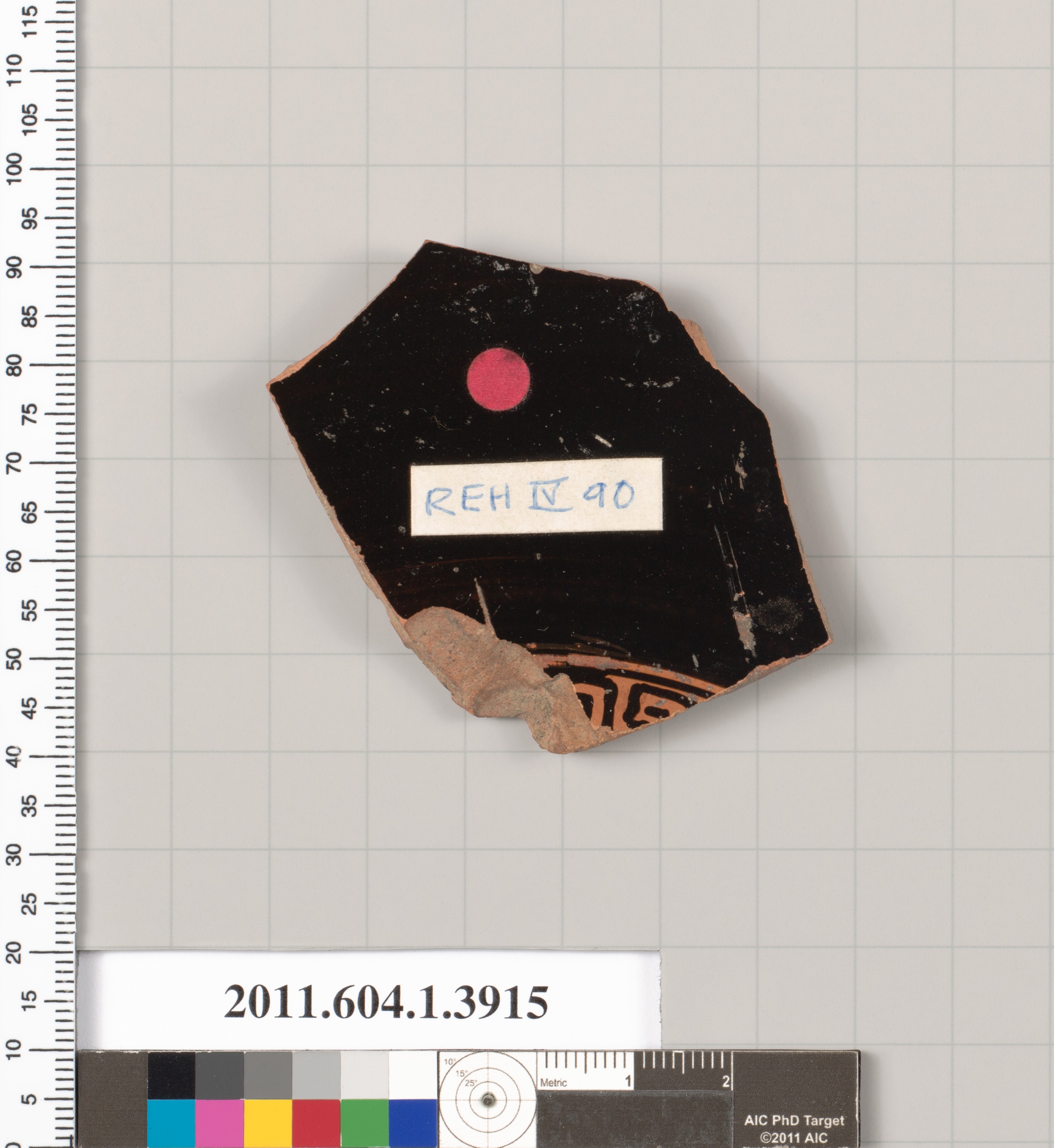
In the pursuit of defining the 2026 Old Money silhouette, Lauren Fashion Heritage Lab must look beyond the immediate lexicon of Western tailoring and into the deeper, more resonant wellsprings of cross-cultural aesthetics. The internal genetic code provided—the juxtaposition of the “Udumbara Flower” Temple Plaque and the “Beast and Grapevine” Bronze Mirror—offers a profound philosophical framework. Yet, to translate this framework into tangible form, we must engage with a third, seemingly dissonant artifact: the Terracotta fragment of a kylix (drinking cup) from Attic Greece. This fragment, a shard of a vessel used for wine and symposium, introduces a crucial material and conceptual tension. It is not a sacred object, nor a mirror of vanity, but a relic of convivial, civic, and mortal life. Its presence forces a synthesis: How does the “empty” transcendence of the Udumbara and the “full” vitality of the Beast and Grapevine mirror inform a silhouette that is both timeless and grounded in the materiality of the 2026 Old Money aesthetic?
I. The Terracotta Fragment: An Archaeology of the Mortal and the Measured
The kylix fragment is a testament to the Greek symposium, a ritualized space of philosophical discourse, political debate, and aesthetic pleasure. Unlike the Buddhist plaque’s orientation toward the divine or the bronze mirror’s encoding of earthly desires, the kylix is a vessel of immediate, shared experience. Its terracotta materiality—fired earth, humble yet durable—speaks to a civilization that valued the logos (reason) and the ethos (character) of the citizen. The fragment’s broken edges are not a flaw; they are an archaeology of use, of hands that held it, of wine that stained it. This is not the “eternal” of the Udumbara nor the “cyclic” of the grapevine; it is the ephemeral, the human, the finite.
For the 2026 Old Money silhouette, the terracotta fragment teaches a lesson in restrained materiality. Old Money is not about ostentation; it is about the quiet authority of quality. The kylix’s terracotta—its earthy, unglazed surface—suggests a palette of ochre, umber, and clay. These are not the bright, synthetic colors of fast fashion, but the grounded, mineral tones of antiquity. The silhouette must echo this: a structured, architectural form that does not shout but stands. Think of a double-breasted blazer in a heavy, matte wool, its shoulders squared like the lip of a kylix, its lapels cut with the precision of a Greek meander pattern. The fabric itself should feel like fired earth—substantial, textured, and unapologetically tactile. This is a silhouette that holds its shape, that does not yield to the whims of trend, but endures like a shard in the earth.
II. The Udumbara Void: Silence as a Structural Principle
Returning to the internal code, the Udumbara flower’s “emptiness” is not absence but potentiality. Its “three-thousand-year bloom” is a metaphor for the rarity and restraint that defines the highest echelons of Old Money style. The 2026 silhouette must incorporate this void as a positive design element. This is achieved through negative space—the deliberate, unadorned areas of a garment that allow the eye to rest and the mind to reflect. A single, sharp notch lapel on an otherwise unbroken expanse of cashmere; a long, clean line from shoulder to hem with no pockets, no buttons, no distraction. This is the “empty” center of the garment, a visual silence that commands attention precisely because it refuses to compete.
The terracotta fragment’s broken edge, when viewed through the Udumbara lens, becomes a wabi-sabi acceptance of impermanence. The 2026 Old Money silhouette should not be afraid of asymmetry or deliberate imperfection. A jacket with one shoulder slightly dropped, a skirt with a hem that is not perfectly parallel to the floor—these are not errors but gestures toward the transient. They whisper of a life lived, of a garment that has been worn, not merely displayed. This is the ultimate luxury: the confidence to be incomplete, to leave space for the wearer’s own story.
III. The Beast and Grapevine Plenitude: The Ornament of Life
In stark contrast, the bronze mirror’s “beast and grapevine” motif offers a celebration of abundance. The grape, a symbol of Dionysian joy and fertility, and the beast, a guardian of vitality, represent the fullness of earthly existence. This is the other pole of the Old Money aesthetic: the quiet, confident display of inherited wealth and cultivated taste. The 2026 silhouette must integrate this plenitude not through literal prints of grapes and lions, but through textural richness and structural complexity.
The terracotta kylix, with its painted figures of symposium scenes, provides the perfect bridge. The kylix’s decoration—often depicting gods, heroes, or athletes—was a visual narrative of cultural capital. Similarly, the 2026 Old Money silhouette will use embroidery, jacquard, or intricate pleating to tell a story of lineage and learning. A brocade waistcoat with a subtle, repeating pattern of acanthus leaves (a Greek motif) or a cashmere coat with a discrete, embroidered border of grapevines—these are the “beast and grapevine” of our time. They are not loud; they are decipherable only upon close inspection, a reward for the discerning eye. The plenitude is in the density of the weave, the weight of the fabric, the precision of the cut. It is the material manifestation of a life well-lived, a life that has accumulated not just objects, but meaning.
IV. Synthesis: The 2026 Old Money Silhouette as a Dialectical Object
The genius of the 2026 Old Money silhouette lies in its ability to hold these contradictions in tension. It is at once void and plenitude, silence and narrative, mortal and eternal. The terracotta fragment teaches us that the silhouette must be grounded in the human scale—a jacket that fits the shoulder, a trouser that falls to the shoe, a dress that moves with the body. It is not a costume for a deity, but a garment for a person who inhabits the world with gravity and grace.
From the Udumbara, we take the discipline of restraint: a silhouette that is monochromatic (think charcoal, ivory, navy, and the earthy terracotta of the kylix), with clean lines and strategic emptiness. From the Beast and Grapevine mirror, we take the joy of detail: a hidden lining of silk in a deep burgundy, a hand-stitched buttonhole, a subtle texture in the wool that catches the light. The silhouette is architectural—a column of fabric that rises from the ground, structured yet not rigid, like a Doric column. It is timeless—a shape that could have been worn in 1926, 1986, or 2026, because it is not a trend but a type.
Ultimately, the 2026 Old Money silhouette is a vessel for the self. Like the kylix, it is meant to be held, used, and passed down. Like the temple plaque, it points toward something beyond itself—a legacy, a lineage, a life of substance. Like the bronze mirror, it reflects the wearer’s own vitality and history. It is a dialectical object that unites the sacred and the profane, the eternal and the ephemeral, the void and the plenitude. This is the heritage of Lauren Fashion: not a reproduction of the past, but a re-imagining of its deepest truths for a future that demands both substance and soul.