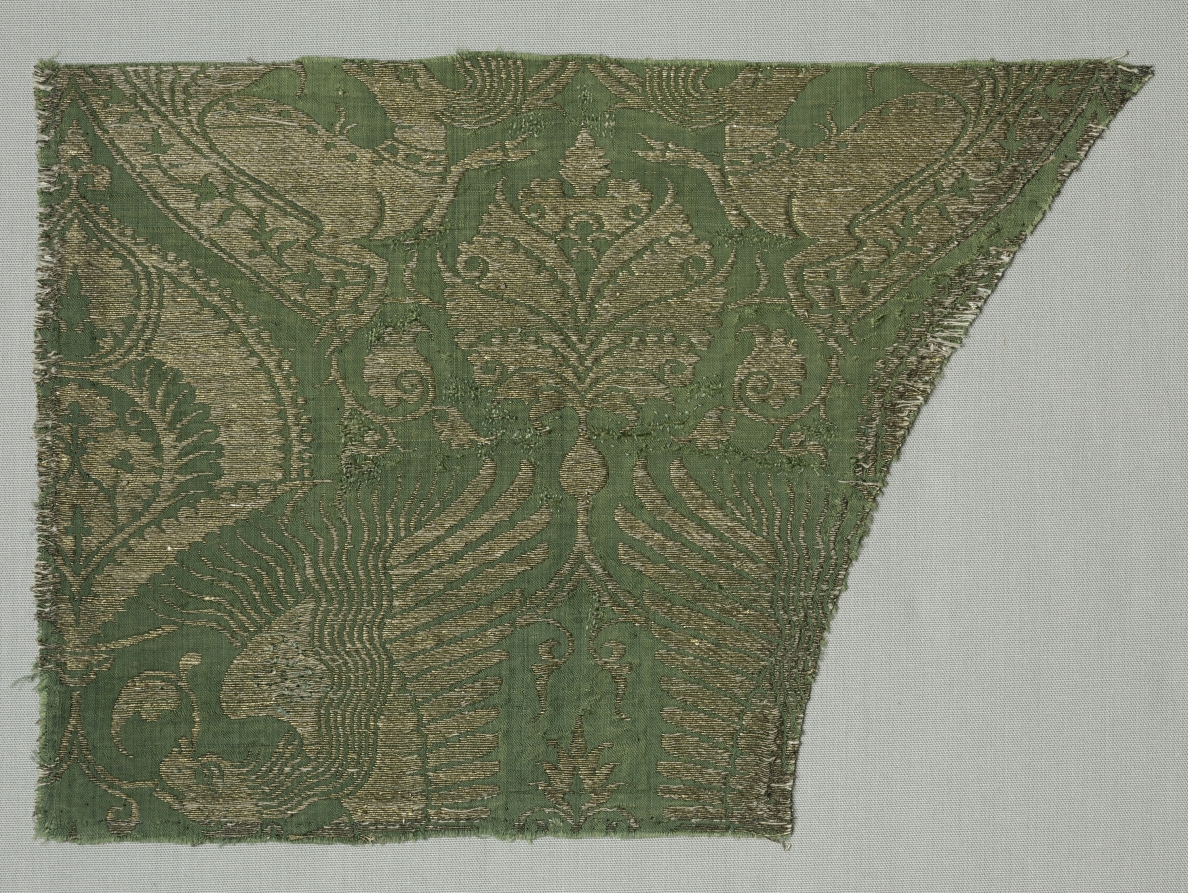
The Legacy of Imperial Silk Weaving: An Artifact of Exotic Gold-Patterned Silk
Introduction: The Artifact as a Testament to Heritage
In the hallowed ateliers of London’s Savile Row, where precision tailoring meets centuries of craftsmanship, the legacy of imperial silk weaving endures as a silent yet potent influence. This heritage research artifact—a fragment of exotic gold-patterned silk—serves as a tangible link to the opulent courts of ancient dynasties, where silk was not merely a fabric but a currency of power, artistry, and cultural exchange. For the Lauren Fashion Heritage Lab, this artifact is more than a textile; it is a narrative of materiality, tradition, and the enduring allure of the exotic. Its preservation and study offer profound insights into the intersection of luxury, heritage, and the global fashion ecosystem. This paper examines the artifact’s materiality, historical context, and its resonance within the modern luxury market, particularly as it informs the ethos of Savile Row’s bespoke tradition.
Materiality: The Fabric of Imperial Ambition
The artifact under scrutiny is a remnant of gold-patterned silk, a material that embodies the zenith of imperial weaving techniques. Silk, derived from the cocoons of Bombyx mori silkworms, was a closely guarded secret of Chinese dynasties for millennia. Its production required meticulous labor: the unwinding of a single cocoon could yield a filament up to 1,500 meters long, which was then twisted, dyed, and woven into fabrics of unparalleled luster and strength. The gold patterning, achieved through techniques such as kesi (silk tapestry) or jin (brocade weaving), involved the incorporation of gold thread—often made from gilded paper or silk wrapped in gold leaf. This process demanded extraordinary skill, as the gold threads were fragile and required precise tension to avoid breakage. The result was a fabric that shimmered with a metallic sheen, symbolizing the divine right of emperors and the wealth of empires.
The materiality of this silk is defined by its tactile and visual properties. The base weave, likely a satin or twill, provides a smooth, reflective surface that enhances the gold patterns. The gold threads, when viewed under magnification, reveal a core of silk wrapped in gold leaf, a technique that dates back to the Han Dynasty (206 BCE–220 CE). The patterns themselves—often dragons, phoenixes, or floral motifs—were not merely decorative but encoded with symbolic meanings. Dragons represented imperial power, phoenixes signified rebirth, and peonies denoted wealth and honor. This artifact, with its intricate gold patterning, would have been reserved for the highest echelons of society, perhaps adorning the robes of a Ming or Qing emperor. Its survival, albeit in fragmentary form, is a testament to the durability of silk and the reverence with which such textiles were treated.
Historical Context: The Silk Road and Imperial Weaving
The legacy of imperial silk weaving cannot be divorced from the Silk Road, the network of trade routes that connected China to the Mediterranean from the 2nd century BCE onward. This artifact, likely originating from a Chinese imperial workshop, would have traversed these routes, influencing and being influenced by Persian, Byzantine, and later European weaving traditions. The imperial workshops of the Ming (1368–1644) and Qing (1644–1912) dynasties were state-controlled enterprises, producing silks for the court, diplomatic gifts, and tribute. The patterns and techniques were closely guarded, with weavers often confined to the palace complex. The gold-patterned silk of this artifact reflects the peak of this system, where artistry and technology converged to create objects of transcendent beauty.
By the 17th and 18th centuries, European demand for Chinese silks surged, leading to a cross-cultural exchange that reshaped global fashion. The chinoiserie movement in Europe, particularly in France and England, saw the adaptation of Chinese motifs into Western textiles. Savile Row, established in the 18th century as a hub for bespoke tailoring, became a conduit for these exotic influences. The gold-patterned silk, once a symbol of imperial China, found new life in the waistcoats, cravats, and evening wear of London’s elite. This artifact, therefore, represents not only a Chinese heritage but a global one, where the exotic became a marker of sophistication and status.
Savile Row and the Enduring Allure of the Exotic
In the context of Savile Row, the legacy of imperial silk weaving is a touchstone for the bespoke tradition. The Row’s tailors, from Huntsman to Gieves & Hawkes, have long sourced the finest materials from around the world, including silk from China, India, and Italy. The gold-patterned silk artifact, with its exotic origins, resonates with the Row’s ethos of exclusivity and craftsmanship. For a modern client, a suit lined with such silk—or a necktie woven with gold thread—is a statement of heritage, a nod to the imperial past that still informs contemporary luxury. The heritage research conducted by the Lauren Fashion Heritage Lab underscores the importance of preserving these artifacts, not as museum pieces but as living inspirations for future designs.
The materiality of the silk—its weight, drape, and sheen—poses challenges for the modern tailor. Gold-threaded silks are less pliable than standard silks, requiring careful handling to avoid fraying or distortion. However, this very difficulty elevates the garment, imbuing it with a sense of rarity and artisanal skill. Savile Row’s commitment to hand-finishing and bespoke fitting aligns perfectly with the meticulous care required for such fabrics. The artifact, therefore, serves as a pedagogical tool, reminding tailors of the patience and precision that define true luxury.
Conclusion: Preserving the Legacy
The exotic gold-patterned silk artifact is a microcosm of the imperial silk weaving legacy—a legacy that spans continents, centuries, and cultures. Its materiality, rooted in the alchemy of silk and gold, speaks to the ingenuity of ancient weavers. Its historical context, shaped by the Silk Road and imperial workshops, reveals the global currents that have always defined fashion. And its resonance with Savile Row underscores the timeless appeal of the exotic, the bespoke, and the heritage-rich. For the Lauren Fashion Heritage Lab, this artifact is not merely a relic but a resource—a source of knowledge, inspiration, and continuity. As we preserve and study such textiles, we ensure that the legacy of imperial silk weaving endures, not as a distant memory, but as a living tradition that informs the future of luxury fashion.