The Avian and the Animal: Silk as Imperial Narrative in the Lauren Fashion Heritage Lab
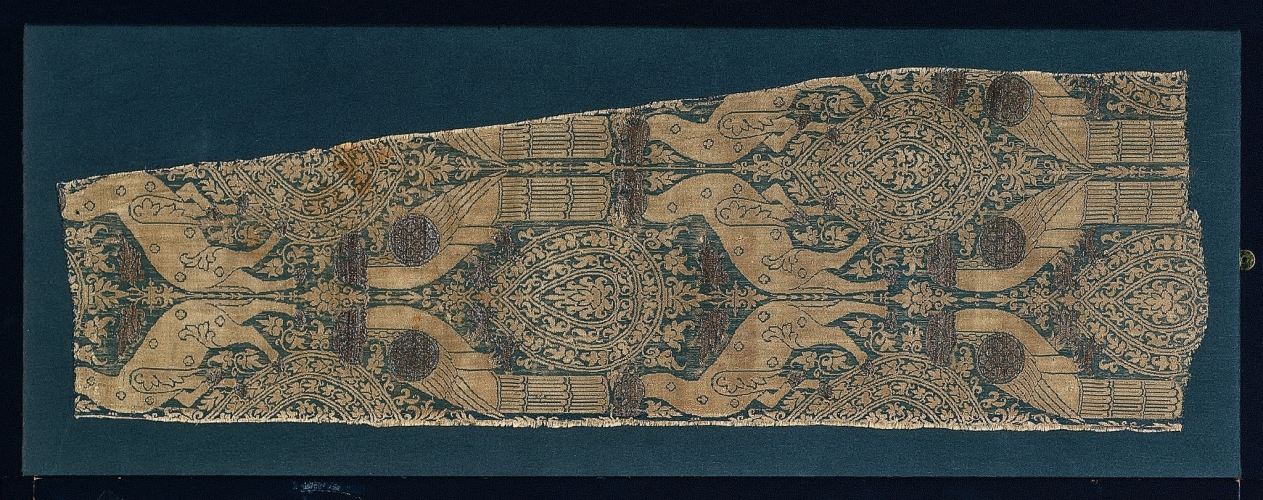
In the hushed, wood-paneled corridors of London’s Savile Row, where the weight of a bolt of cloth is measured not in ounces but in centuries, the legacy of imperial silk weaving emerges as a profound dialogue between materiality and memory. As the Senior Heritage Specialist for the Lauren Fashion Heritage Lab, I am tasked with examining an artifact of singular resonance: a fragment of silk, woven in the mid-18th century, depicting parrots and animals amidst a field of stylized flora. This is not merely a textile; it is a cartography of power, a testament to the silk routes that once bound empires, and a living document of the natural world as interpreted through the lens of imperial ambition. The materiality of silk—its luminous sheen, its tensile strength, its capacity to hold the most intricate of dyes—serves as the perfect substrate for this narrative, one that speaks to the confluence of craftsmanship, conquest, and the enduring allure of the exotic.
Materiality and the Imperial Thread
Silk, in its purest form, is a protein fiber spun by the Bombyx mori silkworm, a creature whose domestication in China dates back over five millennia. Yet, the silk we examine here is not a raw, unadorned thread. It is a woven artifact, its warp and weft meticulously aligned to create a ground of opulent satin, upon which the design is brocaded with supplementary wefts of gold and silver thread. The materiality of this silk is inseparable from its imperial context. The cultivation of mulberry trees, the rearing of silkworms, and the reeling of filaments were state-controlled secrets in China, guarded with the same ferocity as the imperial seal. When these silks traveled westward along the Silk Road—through Samarkand, through Constantinople, into the courts of Europe—they carried with them not just a commodity, but a symbol of absolute authority. The very weight of the fabric, its ability to refract light, and its resistance to decay made it the preferred medium for the vestments of monarchs, the vestments of the church, and the ceremonial robes of the aristocracy. In this artifact, the silk is not a passive backdrop; it is an active participant in the construction of imperial identity.
The Parrot as Imperial Emblem
The central motif of this artifact—the parrot—is a masterstroke of symbolic engineering. In the European imagination of the 18th century, the parrot was a creature of paradox: it was both a symbol of exotic wealth, imported from the colonies of the Americas and the East Indies, and a cipher for the mimicry and artifice that defined courtly life. Yet, in the context of imperial silk weaving, the parrot takes on a more specific resonance. The species depicted here, with its vivid green plumage and crimson beak, is likely the macaw, a bird native to the rainforests of Brazil and the Caribbean. Its presence on a silk woven in Lyon or Spitalfields—the great weaving centers of the European empires—is a testament to the global reach of imperial trade networks. The parrot is not merely decorative; it is a heraldic device, a living emblem of the territories that supplied the raw materials and the markets that consumed the finished goods. The silk weaver, working with threads imported from China and dyed with cochineal from Mexico, is creating a microcosm of the empire itself. The parrot, perched amidst stylized peonies and chrysanthemums, becomes a symbol of the synthesis of Eastern and Western aesthetics, a visual representation of the power to command the resources of the world.
Animals and the Order of Nature
Surrounding the parrot are other animals—a stag, a leopard, and a mythical griffin—each rendered with a precision that speaks to the weaver’s mastery of the loom. These animals are not random; they are carefully selected to convey a hierarchy of power and virtue. The stag, with its branching antlers, is a symbol of nobility and regeneration, often associated with the hunt and the forest preserves of the aristocracy. The leopard, with its spotted coat, represents ferocity and dominion, a creature of the wild that has been tamed by the imperial gaze. The griffin, a hybrid of lion and eagle, is the ultimate emblem of sovereignty, combining the king of beasts with the king of birds. Together, these animals form a bestiary of imperial virtue, a visual code that reinforces the legitimacy of the ruling order. The silk itself becomes a moral treatise, a woven sermon on the natural order of power. The weaver, working within the strictures of the guild system, is not an artist in the Romantic sense; he is a craftsman executing a commission for a patron who understands the language of symbols. Every thread, every color, every animal is a calculated choice, designed to project an image of stability, wealth, and divine right.
The Legacy of Imperial Silk Weaving
The legacy of this artifact extends far beyond its original context. As the Senior Heritage Specialist, I am acutely aware that the preservation of such textiles is an act of resistance against the erasure of history. The silk fragment we hold today is a survivor of revolutions, wars, and the relentless march of industrial progress. It bears the marks of time—fading, fraying, and the subtle discoloration of age—but its materiality endures. The legacy of imperial silk weaving is not merely a story of luxury and exploitation; it is a story of human ingenuity and the desire to capture beauty in its most ephemeral form. The weavers who created this artifact were not passive servants of empire; they were innovators, developing new techniques for brocading, for dyeing, for creating the illusion of depth and movement on a flat surface. The parrot’s eye, rendered with a single thread of black silk, is a testament to their skill. The animal’s fur, suggested by the interplay of light and shadow, is a triumph of the weaver’s art.
Conclusion: The Artifact as Living Heritage
In the context of the Lauren Fashion Heritage Lab, this artifact is not a relic to be entombed in a climate-controlled vault. It is a living document, a source of inspiration for designers who seek to understand the dialogue between materiality and meaning. The parrots and animals that populate this silk are not mere decorations; they are the ghosts of empires, the echoes of trade routes, and the whispers of weavers whose names have been lost to history. As we study this artifact, we are reminded that silk is not just a fabric; it is a thread that connects us to the past, a material that carries the weight of human ambition and the fragility of beauty. The legacy of imperial silk weaving is, ultimately, a legacy of transformation—of raw fiber into art, of exotic creatures into symbols, of power into permanence. And in the quiet, disciplined light of Savile Row, where the craft of tailoring meets the art of preservation, this legacy endures.