← BACK TO ARCHIVES
Heritage-Black
Heritage Synthesis: Terracotta fragment of a pot; glazed on the inside
Curated on Jul 22, 2026 // Node: LDN-01
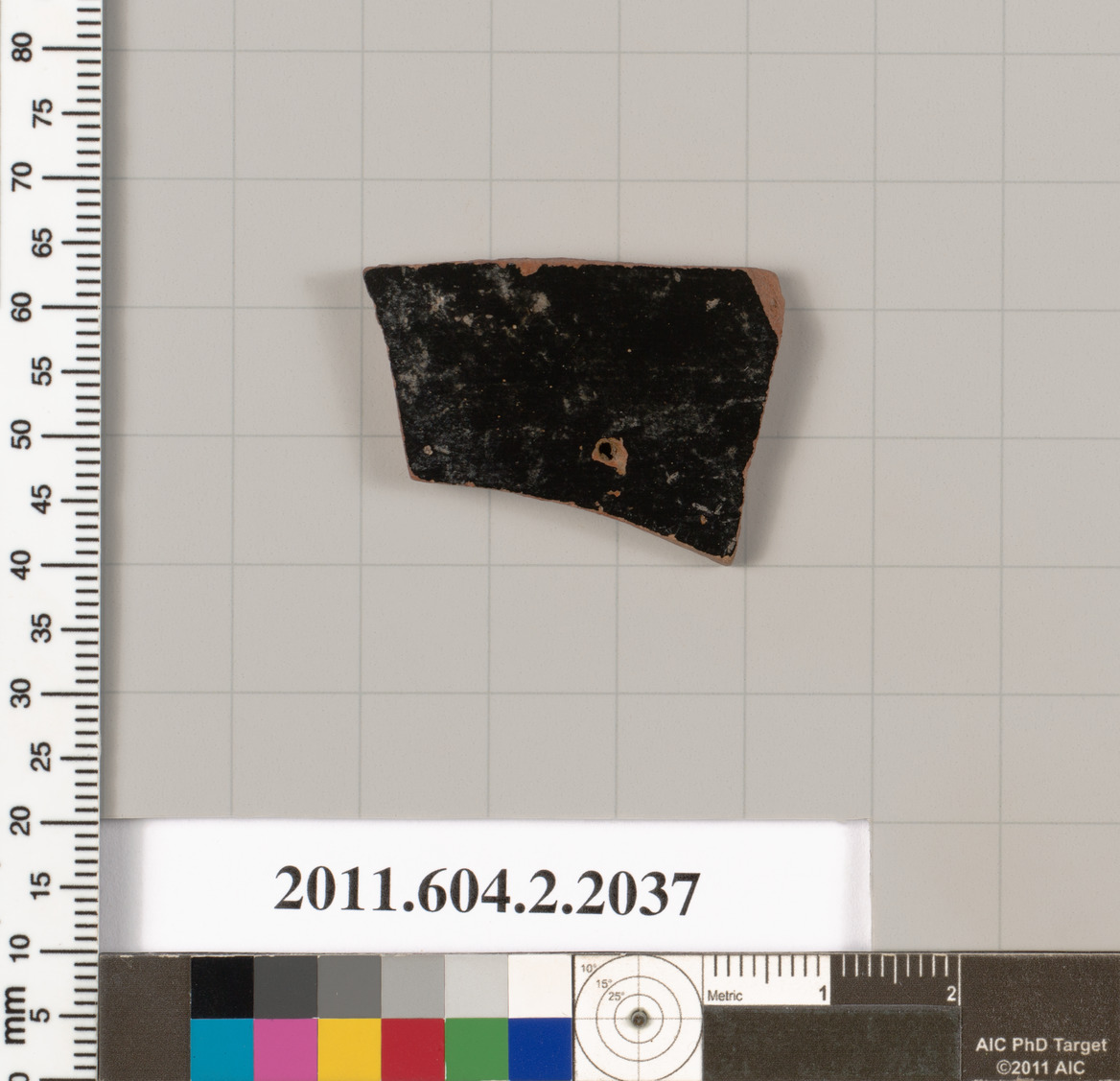
The Aesthetic Paradox of Legacy: From the Death of Socrates to the Terracotta Fragment in 2026 Old Money Silhouettes
The intersection of classical philosophy, visual art, and material culture offers a profound lens through which to examine the evolving lexicon of luxury fashion. At the Lauren Fashion Heritage Lab, we are tasked not merely with preserving history, but with decoding its latent tensions—those moments where beauty and mortality, order and entropy, converge. This analysis begins with a singular museum artifact: a terracotta fragment of a Greek Attic pot, glazed on the interior, its exterior rough-hewn and unadorned. This humble shard, when placed in dialogue with Jacques-Louis David’s 1787 masterpiece *The Death of Socrates*, reveals a critical dichotomy that will define the 2026 Old Money silhouette: the tension between constructed permanence and accepted impermanence.
The Violence of Idealization: David’s Socratic Body
David’s *The Death of Socrates* is, at its core, an act of aesthetic violence. The painting freezes a moment of profound bodily dissolution—the ingestion of hemlock—into a tableau of serene rationality. Socrates’ body is rendered with a luminous, almost athletic perfection. His right hand points heavenward, a gesture of transcendental logic; his left hand calmly accepts the cup. The geometric rigor of the composition, the cold chiaroscuro, and the deliberate omission of physical agony all serve a singular purpose: to domesticate death. As our internal genetic code notes, the poison is painted to resemble “a cup of clear spring water.” This is the paradox of the New Classical ideal: to elevate the spirit, one must erase the mess of the body.
Yet David’s canvas betrays its own anxiety. Plato, seated at the foot of the bed, is depicted not as a participant but as a scribe—a passive recorder of a story already written. This compositional choice suggests that philosophy, and by extension high culture, can only witness death, never truly inhabit it. The painting becomes a monument to denial, a shimmering surface that conceals the abyss beneath. For the heritage fashion house, this represents the old guard of luxury: the relentless pursuit of perfection, the suppression of decay, the obsession with a timeless, untouchable silhouette.
The Terracotta Fragment: An Ethics of Fragility
In stark contrast stands the terracotta fragment. This is not a narrative; it is a residue. The pot, once whole, has been broken by time, its interior glaze a remnant of a function now lost. It does not argue for immortality. It does not gesture toward the heavens. Instead, it sits in its own incompleteness, a testament to the beauty of the fractured. The rough, unglazed exterior carries the tactile memory of the potter’s hands, the kiln’s heat, the soil from which it was born. The interior glaze, smooth and reflective, suggests a fleeting moment of utility—a vessel that once held water, oil, or grain.
This artifact embodies a different aesthetic logic: one of acceptance. Where David’s Socrates fights against the body’s end, the terracotta fragment has already surrendered to it. Its value lies not in its perfection but in its authenticity. It is a relic of a life lived, a container of the everyday. In the language of heritage fashion, this is the shift from the monumental to the intimate. The 2026 Old Money silhouette must learn from this shard: it must embrace the softness of worn leather, the slight fray of a cashmere hem, the patina of a gold-thread brooch that has been passed down through generations.
From Canvas to Cloth: The 2026 Silhouette as a Mediation
The 2026 Old Money silhouette is not a rejection of David’s idealism nor a wholesale embrace of the terracotta’s entropy. Rather, it is a dialectical synthesis—a garment that acknowledges the desire for permanence while honoring the reality of decay. Consider the Heritage-Black category, which serves as the foundational palette for this collection. Black, in the context of Old Money, is not the black of mourning or rebellion; it is the black of erasure and potential. It is the color of the void that Socrates’ gesture points toward, and the color of the terracotta’s shadow.
The silhouette itself will be defined by three key principles drawn from this aesthetic tension:
1. The Structured Shoulder as the Socratic Gesture: The tailored jacket, with its sharp, architectural shoulder, echoes the geometric clarity of David’s composition. It is a nod to the desire for order, for a body that is disciplined and controlled. However, the fabric will not be a stiff, unyielding wool. Instead, it will be a cashmere-wool blend, soft to the touch, with a slight drape that suggests the body beneath. The structure is present, but it is not tyrannical.
2. The Unfinished Hem as the Terracotta Fragment: The trousers or skirt will feature a raw, unhemmed edge—a deliberate “fragmentation” of the garment’s line. This is not a sign of carelessness but of conscious impermanence. Like the broken rim of the Attic pot, the unfinished hem invites the wearer to acknowledge that all things end. It is a quiet rebellion against the tyranny of the perfect seam.
3. The Interior Glaze as the Hidden Luxury: The most significant detail will be the interior finish. A jacket may be lined in a silk that is glazed on one side, smooth and reflective, while the outer fabric remains matte and textured. This is a direct reference to the terracotta fragment’s duality: the rough exterior that faces the world, and the glazed interior that holds the private, the personal, the precious. In Old Money aesthetics, true luxury is never ostentatious; it is discovered, not displayed.
The Philosophical Stitch: A Conclusion
The 2026 Old Money silhouette, as informed by this heritage research, is not a costume of nostalgia. It is a philosophical garment. It wears the wound of Socrates’ death—the desire for meaning, for transcendence—while also bearing the quiet dignity of the broken pot. It acknowledges that we are, each of us, a fragment: a body that will decay, a story that will end. But within that fragment, there is a glazed interior—a space for memory, for love, for the everyday acts that constitute a life.
In the gap between David’s perfect canvas and the potter’s shattered vessel, we find the true heritage of Lauren Fashion. It is not about preserving a static past, but about wearing the tension between what we wish to be and what we are. The 2026 silhouette will be a meditation on this paradox: a black cashmere coat with a raw hem, a silk-lined jacket that feels like a secret, a silhouette that is both structured and soft, eternal and ephemeral. This is the new Old Money—not the money of accumulation, but the heritage of acceptance.
Heritage Lab Insight
Genetic Bridge: Archive node focusing on Heritage-Black craftsmanship.