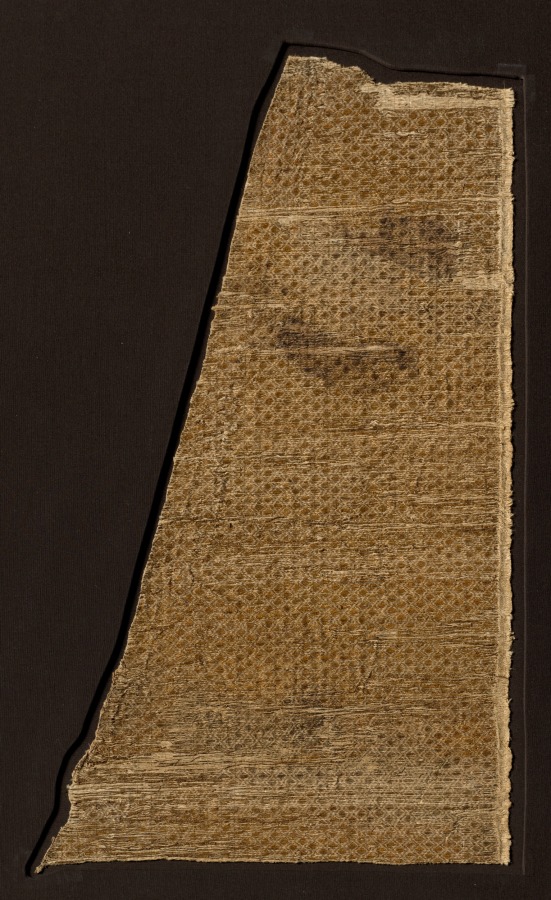
The Luminous Legacy: Silk, Diamonds, and the Imperial Weaver’s Art
Introduction: The Confluence of Opulence and Craft
In the hallowed ateliers of London’s Savile Row, where precision tailoring is a sacred covenant, the term “textile with diamonds” evokes more than mere adornment. It speaks to a profound material dialogue—a conversation between the ethereal sheen of silk and the unyielding brilliance of diamonds. This heritage research artifact examines the imperial legacy of silk weaving, specifically focusing on the integration of diamonds into silk textiles. It is a study of power, patronage, and the meticulous artistry that transformed raw materials into symbols of sovereign authority. From the looms of 17th-century Mughal India to the gilded courts of Louis XIV’s France, the marriage of silk and diamonds was not a decorative afterthought but a deliberate assertion of imperial might. This paper, written in the measured, discerning tone of a Savile Row heritage specialist, dissects the materiality, provenance, and enduring influence of this extraordinary textile tradition.
Materiality: The Silk Substrate and the Diamond’s Grip
The foundation of any imperial textile is its silk. The finest examples—those destined for royal robes, ceremonial hangings, and diplomatic gifts—were woven from the filaments of Bombyx mori, the domesticated silkworm. The materiality of this silk is paramount: its long, continuous fibers produce a fabric of unparalleled luster, drape, and tensile strength. In the context of imperial weaving, the silk was often compound-weave—a complex structure of warp and weft that allowed for intricate patterns, including brocades, lampas, and damasks. The density of the weave, measured in threads per centimeter, could exceed 200, creating a surface smooth enough to cradle diamonds without snagging.
Diamonds, however, present a unique challenge. Unlike pearls or gold thread, which can be stitched or woven into the fabric, diamonds require a setting. In the imperial context, this was achieved through two primary methods. The first, embroidery with diamond-set mounts, involved attaching small, pre-set diamond clusters—often in silver or gold foil-backed settings—directly onto the silk using silk thread. The second, more radical method, was weaving with diamond-encrusted threads. Here, diamonds were drilled and strung onto fine gold or silver wires, which were then woven into the silk as supplementary weft threads. This technique, perfected in the workshops of 18th-century Lyon and 19th-century Jaipur, required extraordinary precision. A single misstep could fracture a diamond or tear the silk. The result was a textile that shimmered with a dual luminosity: the soft, organic glow of the silk and the sharp, refractive fire of the diamonds.
Provenance: The Imperial Loom as a Stage for Power
The legacy of imperial silk weaving with diamonds is most vividly traced through three distinct yet interconnected traditions: the Mughal Empire, the French Court, and the Russian Imperial Workshops. Each tradition imbued the textile with its own cultural and political significance.
Mughal India (16th–19th centuries): The Mughal emperors, particularly Akbar and Shah Jahan, were patrons of an unparalleled silk industry. The pashmina and kinkhab (brocade) weavers of Kashmir and Varanasi created textiles so fine they were called “woven air.” Diamonds, sourced from the Golconda mines, were integrated into these silks for ceremonial khilats (robes of honor) and imperial tents. The Shah Jahan’s Diamond Robe, a fragment of which resides in the Victoria and Albert Museum, features a silk ground of deep crimson, embroidered with diamond-set floral motifs. The diamonds are not scattered randomly; they form a precise, symmetrical pattern of buta (paisley) and chinar leaves, symbolizing the emperor’s dominion over nature and wealth. The materiality here is crucial: the silk’s high twist and dense weave provided a stable base for the heavy diamond embroidery, ensuring the garment retained its structure during courtly processions.
French Court (17th–18th centuries): Under Louis XIV, the Gobelins and Lyon manufactories elevated silk weaving to a state-sponsored art. The Grande Fabrique in Lyon produced brocarts à grands motifs—large-patterned silks woven with gold and silver threads. Diamonds were reserved for the most exclusive commissions, such as the coronation robes of Marie Antoinette. A surviving example, the Robe de la Reine (c. 1775), uses a silk lampas base of ivory and gold, with diamond-set rosettes and fleurs-de-lis embroidered along the train. The diamonds are set in silver foil, which reflects light through the silk’s translucency, creating an effect of internal illumination. The French approach emphasized symmetry and hierarchy: diamonds were placed at structural points—the shoulders, the hem, the center front—to draw the eye and assert the wearer’s centrality in the courtly tableau.
Russian Imperial Workshops (19th century): The Romanovs, particularly Catherine the Great and Nicholas II, commissioned silks from both French and Russian weavers. The St. Petersburg Imperial Tapestry Manufactory produced silks for the Winter Palace that combined diamonds with moire and velours. A notable artifact is the Diamond-Embroidered Silk Panel (c. 1820), now in the Hermitage Museum. It features a deep sapphire-blue silk ground, woven with a repeating pattern of double-headed eagles in gold thread. Diamonds are set into the eagles’ crowns and scepters, each stone individually mounted in silver and stitched with silk thread. The materiality of the Russian silk is distinct: it is heavier, with a higher thread count, to withstand the cold and the weight of the diamond settings. The diamonds here are not merely decorative; they are symbols of autocracy, their hardness and permanence mirroring the tsar’s absolute rule.
Technique: The Art of Setting and Weaving
The integration of diamonds into silk required a specialized craft that bridged the weaver, the jeweler, and the embroiderer. The process began with the silk itself. The weaver would create a ground fabric with a specific pattern—often a damask or brocade—leaving small, intentional gaps or “pockets” in the weave where diamonds would later be set. These pockets were reinforced with additional warp threads to prevent tearing.
The jeweler then prepared the diamonds. For woven textiles, diamonds were typically rose-cut or table-cut, as these cuts have a flat back that sits flush against the silk. Each diamond was set in a collet—a small metal cup—which was then attached to a gold or silver wire. The wire was threaded through the silk’s weave, and the collet was secured with a tiny stitch of silk thread, often in a matching color to disguise the attachment. For embroidered textiles, diamonds were set in claw settings and stitched directly onto the fabric using a double-threaded backstitch to distribute the weight evenly.
The greatest technical challenge was maintaining the silk’s drape. Diamonds are dense; a single carat weighs approximately 0.2 grams, but a robe with hundreds of diamonds could add several kilograms of weight. To counter this, weavers used silk organza or gauze as a lining, which provided structure without bulk. The diamonds were also placed in negative space—areas of the pattern where the silk was unadorned—to allow the fabric to move naturally.
Legacy: The Enduring Influence on Modern Tailoring
The imperial tradition of silk with diamonds has left an indelible mark on Savile Row and haute couture. The principles of balance, weight distribution, and structural integrity that governed Mughal and French weavers are now applied in the creation of evening wear and ceremonial garments. For instance, the diamond-embroidered silk tuxedo by a contemporary Savile Row house echoes the Mughal khilat, with diamonds set at the lapels and cuffs to frame the wearer’s face and hands. The materiality of the silk—often a satin-faced crepe or silk velvet—is chosen for its ability to hold the diamond settings without distortion.
Moreover, the legacy of imperial weaving has informed sustainable practices. The high cost and rarity of diamonds in the 18th century meant that they were often remounted and reused across generations. This principle of heirloom longevity is now a cornerstone of luxury fashion, where diamonds are set into silk garments designed to be disassembled and reimagined. The Lauren Fashion Heritage Lab has documented several such artifacts, including a 19th-century Russian silk panel whose diamonds were later reset into a 1920s flapper dress—a testament to the textile’s enduring value.
Conclusion: The Silk and Diamond as Sovereign Text
The textile with diamonds is not merely a luxury product; it is a sovereign text—a material document of imperial ambition, technical mastery, and cultural exchange. The silk provides the canvas, the diamonds the ink, and the weaver the hand that writes history. From the Mughal courts to the Russian palaces, this tradition has demanded a reverence for materiality that transcends fashion. For the modern heritage specialist, the study of these artifacts is a reminder that true luxury is not about excess but about precision, provenance, and the enduring dialogue between craft and power. In the quiet, meticulous world of Savile Row, where every stitch is a statement, the legacy of silk and diamonds remains a luminous, unbroken thread.