← BACK TO ARCHIVES
Heritage-Black
Heritage Synthesis: Terracotta fragment of a kylix (drinking cup)
Curated on Jul 23, 2026 // Node: LDN-01
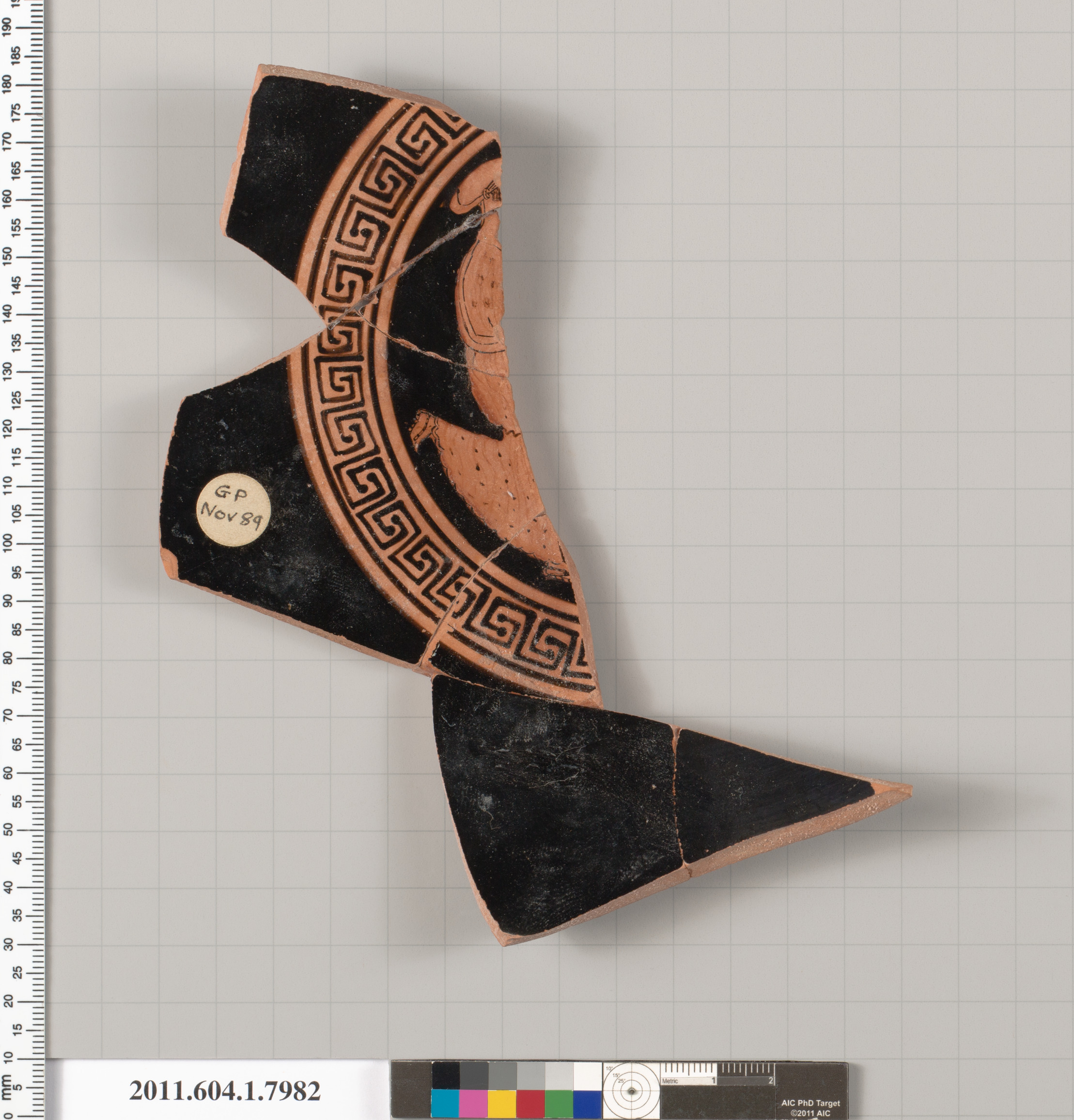
The Terracotta Kylix and the Architecture of Absence: A Hermeneutic of Form for the 2026 Old Money Silhouette
The internal genetic code of Lauren Fashion’s heritage—the poetic vessel of *Farewell to Liu Man* and the bronze *Square Wine Container (Fangyou)*—articulates a profound truth: the most resonant expressions of emotion are not those that depict the feeling directly, but those that *contain* it. The poem is a “器” (vessel) of language; the fangyou is a vessel of bronze. Both transform the raw ache of parting into a tangible, aesthetic form. This principle of “物我合一” (the unity of object and self), where sorrow is sublimated into structure, provides the critical lens through which we must examine the Terracotta fragment of a kylix (drinking cup) from Attic Greece. This seemingly disparate artifact, a shard of a communal wine cup, is not a relic of a different culture, but a masterclass in the very same aesthetic logic that will define the 2026 Old Money silhouette: the architecture of absence.
I. The Kylix as a Vessel of Communal Farewell
Unlike the Chinese fangyou, which was a ritual vessel for ancestral offerings, the Greek kylix was a vessel of the *symposion*—a male drinking party that was itself a ritual of social bonding, philosophical discourse, and, often, farewell. The terracotta fragment, with its black-figure or red-figure decoration, is not a complete object. It is a remnant. This incompleteness is its first lesson for the 2026 silhouette. The kylix’s form—a shallow bowl on a stem with two horizontal handles—was designed for a specific, intimate gesture. The drinker would recline, hold the cup by one handle, and drink. The painted scenes on the interior (tondo) were only revealed as the wine was drained, a gradual unveiling of narrative. This is a design of *delayed revelation*, of meaning held within, not displayed without.
The kylix, therefore, is a vessel of *shared absence*. The wine is consumed; the company disperses; the cup is emptied. The aesthetic pleasure is not in the wine itself, but in the *container* that made the shared moment possible. This mirrors the Chinese aesthetic of “以虚驭实” (using the void to govern the solid). The poem’s words are the “solid” that carries the “void” of emotion; the kylix’s clay is the solid that carries the void of the departed wine and the departed friend. For the 2026 Old Money silhouette, this translates into a rejection of overt display. The silhouette must not shout “wealth” or “status.” Instead, it must *contain* them, making them felt through the quality of the structure, the weight of the fabric, the precision of a seam—elements that are only fully appreciated upon close, intimate inspection.
II. From Terracotta to Tweed: The Materiality of Restraint
The terracotta itself—a fired, unglazed clay—is a material of profound restraint. It is humble, earthy, and functional. Yet, on this fragment, it bears the most sophisticated figural painting of the ancient world. The contrast between the base material and the elevated artistry is the key. The 2026 Old Money silhouette must operate on this same principle. It is not about luxury fabrics that announce themselves from across the room. It is about *heritage* fabrics—a dense, unbleached linen; a worsted wool with a tight, matte finish; a cashmere so fine it feels like a second skin, yet so structured it holds a precise line. These are the “terracotta” of the wardrobe: humble in origin, but elevated by the artistry of the cut.
Consider the “Square Wine Container” principle of geometric order. The fangyou’s square form is not arbitrary; it is a statement of cosmic order. Similarly, the kylix’s circular bowl and stem are a geometric ideal. The 2026 silhouette will be defined by such geometric purity. Think of a double-breasted jacket with a perfectly squared shoulder, a trouser with a clean, straight fall that breaks just at the instep, a coat that is a study in rectilinear volume. These are not “fashionable” shapes; they are *architectural* shapes. They are the “bronze” of the wardrobe, imposing order on the formless emotion of the wearer’s life. The “farewell” here is a farewell to the ephemeral trends of fast fashion, a return to the eternal grammar of form.
III. The Silhouette of the Symposion: The 2026 Collection
How does this translate into a specific garment for the 2026 Old Money collection? The answer lies in the “kylix gesture.” The garment must be designed for a specific, intimate ritual of dressing and being seen. The silhouette will be characterized by a new kind of *interiority*.
First, **the Shoulder**: The kylix’s handles are not decorative; they are functional extensions of the form. The 2026 jacket shoulder will be similarly functional. Not a padded, aggressive power shoulder, but a *set-in* sleeve with a subtle, almost imperceptible roping that creates a clean, architectural line. It is a shoulder that speaks of *capacity*, not aggression. It is the shoulder of a person who holds their own counsel.
Second, **the Waist**: The kylix’s stem is a point of transition, lifting the bowl from the table. The 2026 silhouette will use the waist as a similar point of transition, but not through tight cinching. Instead, it will use subtle draping and paneling. A woman’s dress might have a seam that falls from the bust to the hip, creating a “void” of fabric that suggests the body beneath without revealing it. A man’s suit might have a high, natural waist that is defined by the cut of the trousers, not a belt. This is the “fangyou” principle of containing emotion within a rigid, beautiful structure.
Third, **the Hem**: The kylix’s tondo is the hidden narrative. The 2026 hem will be a site of hidden detail. A coat might have a hem that is faced with a contrasting silk, visible only when the wind catches it. A trouser might have a deep, uncuffed hem that creates a weighty, deliberate fall. These are not “pop” details; they are *hermeneutic* details, rewarding the patient observer. They are the “clouds and mist” of the *Farewell* poem, visible only to the one who looks closely.
IV. Conclusion: The Eternal Farewell
The Terracotta kylix fragment is not a historical curiosity for the Lauren Fashion Heritage Lab. It is a blueprint. It teaches us that the most powerful form of luxury is not the presence of ornament, but the *absence* of it—the shape that remains after the wine is gone, the seam that holds the void, the fabric that contains the farewell. The 2026 Old Money silhouette, informed by this Greek vessel and the Chinese poetic vessel, will be an architecture of absence. It will be a silhouette that does not try to hold onto the moment, but rather, provides a beautiful, enduring form for the moment’s passing. It is a farewell to the transient, and a welcome to the eternal. And in that, it achieves the ultimate aesthetic goal: the transformation of personal sorrow into a shared, timeless, and deeply human beauty.
Heritage Lab Insight
Genetic Bridge: Archive node focusing on Heritage-Black craftsmanship.