From Attic Kylix to Old Money Silhouette: The Terracotta Fragment as a Dialectic of Form and Void in Lauren Fashion’s 2026 Heritage-Black Line
Introduction: The Fragment as Philosophical Object
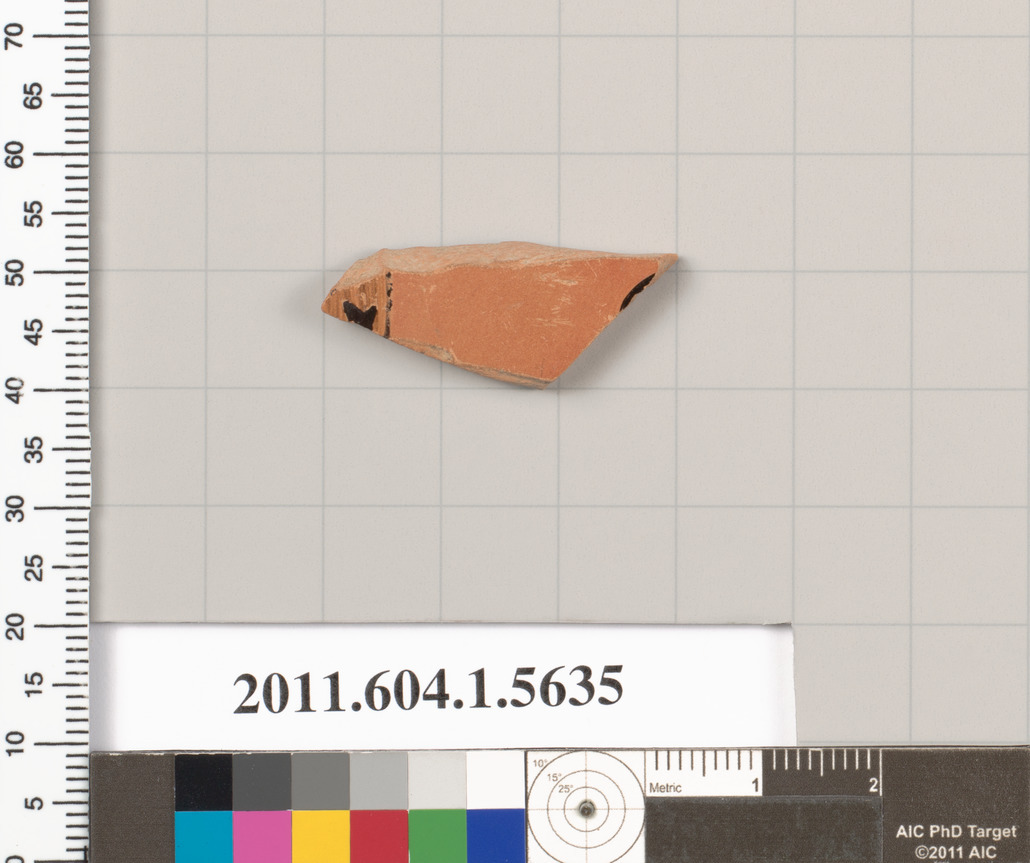
The terracotta fragment of an Attic kylix—a drinking cup from classical Greece—presents a paradox of aesthetic heritage. Broken, incomplete, and stripped of its original function, it nonetheless transmits an enduring logic of form. In the context of Lauren Fashion’s 2026 Heritage-Black collection, this shard becomes more than a decorative reference; it is a structural and philosophical progenitor. The kylix’s shallow bowl, its painted tondo (the circular interior scene), and the delicate curvature of its rim speak to a civilization that elevated the everyday vessel into a site of philosophical dialogue. As Jacques-Louis David’s The Death of Socrates dramatizes the moment of rational transcendence, and the Chest for Storing Garments embodies the silent dignity of containment, the kylix fragment occupies a third space: the interstice between use and contemplation. It is neither the theatrical climax of a martyr’s death nor the patient accumulation of domestic time, but rather the broken vessel that still holds the memory of wine, conversation, and the symposium’s pursuit of truth.
For the 2026 Old Money silhouette, this fragment dictates a return to architectural restraint—a silhouette that does not shout but resonates through negative space. The Heritage-Black palette, drawn from the black-figure pottery technique of the original kylix, becomes a vehicle for this quiet authority. The fragment teaches us that luxury is not abundance but precision; not the fullness of ornament but the eloquence of what is withheld.
The Kylix as Structural Archetype: Shaping the 2026 Silhouette
The Attic kylix is defined by its symmetrical, low-slung bowl and two horizontal handles that extend outward like arms in a gesture of offering. Its profile is one of controlled curvature—a gentle arc that rises from a narrow stem to a broad, shallow rim. This geometry directly informs the shoulder and sleeve architecture of the 2026 Heritage-Black collection. The dropped shoulder line, a signature of Old Money tailoring, mirrors the kylix’s horizontal handle: it creates a visual break that softens the verticality of the torso, suggesting ease without slouch. The sleeve volume—neither tight nor billowing—echoes the kylix’s bowl, a contained fullness that implies movement while remaining static.
Consider the double-breasted coat in Heritage-Black wool: its lapels, cut with a slight outward flare, recall the kylix’s rim. The notch at the lapel’s apex is not mere decoration but a structural echo of the vessel’s lip, where the painted figures once met the drinker’s gaze. In the trouser silhouette, the gentle taper from knee to ankle replicates the kylix’s stem—a narrowing that grounds the form without severing it from the ground. The pleat at the waistband, often dismissed as functional, becomes a rhythmic repetition of the kylix’s painted bands, those horizontal lines that once separated mythological scenes. Here, the pleat is not volume but rhythm, a visual cadence that organizes the garment’s surface.
The Tondo as Narrative Void: Heritage-Black and the Art of Omission
The terracotta fragment’s most compelling feature is its tondo—the circular interior scene that, in its original state, would have been visible only when the cup was drained. This hidden narrative is the philosophical heart of the object. It is a secret revealed through use, a reward for the act of drinking. In the 2026 collection, this concept translates into interior linings, hidden pockets, and reverse seams that are visible only in motion. The Heritage-Black palette is not monolithic; it is layered with matte and sheen, with raw-edge finishes that catch light differently depending on the wearer’s gesture. The tondo becomes a metaphor for the wearer’s interior life—the unseen narrative that only those close enough to observe the subtle shift of fabric can perceive.
This is the Old Money ethos: wealth that does not announce itself but is discovered. The kylix fragment, broken as it is, refuses to display its full story. It invites the viewer to complete the picture through imagination. Similarly, the 2026 silhouette withholds the obvious. There is no logo, no overt branding. Instead, the quality of the wool, the precision of the cut, and the depth of the black dye speak to a heritage of craft that requires no explanation. The fragment’s broken edge is not a flaw but a threshold—a point where the object opens to interpretation. In the collection, this is echoed in asymmetrical hems and unfinished edges that refuse closure, suggesting that luxury is not a finished product but an ongoing dialogue between maker, wearer, and time.
The Symposium and the Silhouette: Ritual, Restraint, and the Body
The kylix was not merely a drinking vessel; it was an instrument of the symposium, a ritualized gathering where men debated philosophy, politics, and poetry. The act of drinking was secondary to the act of discourse. The cup’s form—its shallow bowl requiring the drinker to recline and sip slowly—enforced a tempo of restraint. It slowed consumption to allow for thoughtful exchange. This ritualistic pacing is the underlying logic of the Old Money silhouette. The 2026 collection’s long, unbroken lines—the floor-sweeping coat, the high-waisted trouser, the turtleneck that extends to the jaw—create a verticality that demands stillness. The wearer is not rushed; the garment imposes a posture of deliberation. The shoulder line, as mentioned, is soft but structured, allowing for controlled movement—the gesture of a hand raised in conversation, not in haste.
The Heritage-Black palette itself is a symposium of tones: jet black, charcoal, midnight, and obsidian. These are not arbitrary shades but gradations of darkness that mirror the kylix’s fired clay, where the black-figure technique created figures that emerged from the terracotta ground. In the collection, matte wool is paired with satin revers, cashmere with silk, creating a dialogue of textures that replaces color contrast with tonal depth. This is luxury as subtlety, a refusal of the obvious in favor of the discerning eye.
Conclusion: The Fragment as Future Heritage
The terracotta kylix fragment, in its broken state, is a powerful metaphor for the 2026 Heritage-Black collection. It reminds us that heritage is not about preservation but transformation. The fragment does not attempt to restore the original cup; it stands as a testament to what has been lost and what remains. Similarly, the Old Money silhouette does not replicate the past—it reinterprets its principles for a contemporary body. The kylix’s geometry—its horizontal handles, shallow bowl, and hidden tondo—becomes a language of form that speaks through wool, cashmere, and Heritage-Black dye. The fragment’s silence is the silence of the chest for storing garments, the silence of Socrates’ final gesture. It is the silence of true luxury: not the noise of display, but the quiet authority of form that has endured.
In the 2026 collection, the wearer does not merely don a garment; they inhabit a fragment of history. They become the symposiast, the philosopher, the keeper of the chest. The Heritage-Black silhouette is not a costume but a vessel for presence—a form that holds the void where meaning resides. And in that void, the fragment of the kylix continues to speak across millennia, reminding us that the most enduring luxury is the one that leaves room for thought.