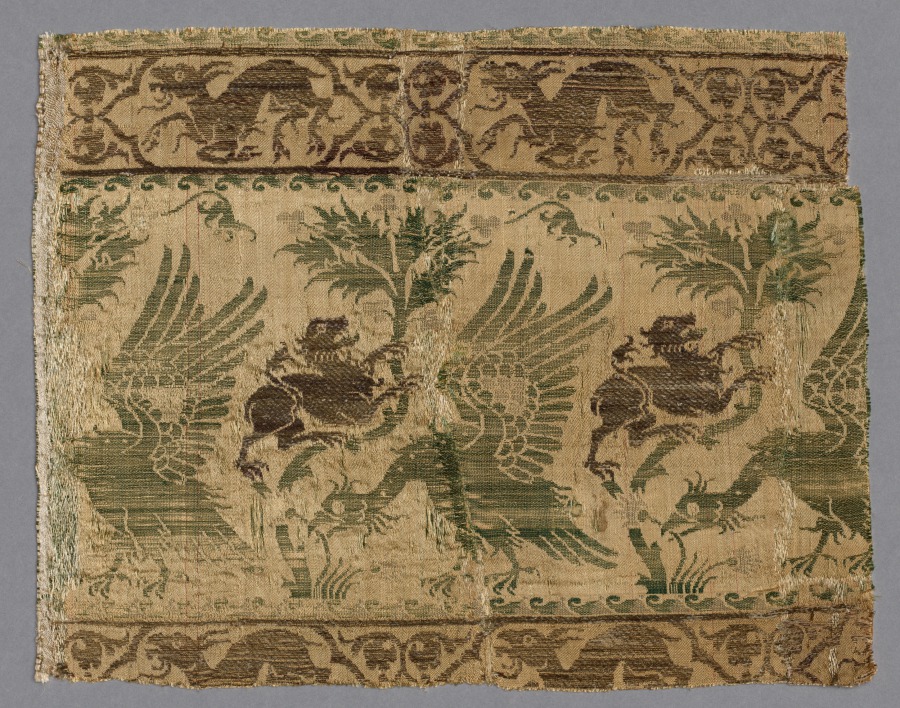
Category: Silk
Introduction: The Enduring Allure of Silk and Gold
In the hallowed ateliers of London’s Savile Row, where precision tailoring meets centuries of craftsmanship, the legacy of imperial silk weaving stands as a testament to the material’s transcendent power. Silk, with its lustrous sheen and unparalleled drape, has long been the fabric of sovereigns and sartorial connoisseurs. Yet, when interwoven with gold—whether as thread, filament, or gilded embellishment—it transcends mere textile to become a cultural artifact, a symbol of wealth, power, and artistic mastery. This heritage research artifact examines the materiality of silk and gold textiles, tracing their lineage from imperial Chinese workshops to the bespoke houses of Mayfair, where they continue to inform contemporary luxury.
Materiality: The Substance of Silk and Gold
Silk, derived from the cocoon of the Bombyx mori silkworm, is a protein fiber distinguished by its triangular prism-like structure, which refracts light to create a natural shimmer. Its tensile strength, comparable to steel on a per-weight basis, allows for intricate weaving without compromising durability. In imperial contexts, silk was not merely a fabric; it was a medium of statecraft. The Chinese dynasties, particularly the Tang (618–907 CE) and Ming (1368–1644 CE), perfected sericulture, reserving the finest silks for the emperor and his court. The introduction of gold thread—often made by wrapping thin strips of gold leaf around a silk core—elevated these textiles to objects of veneration. Gold, with its malleability and resistance to tarnish, provided a luminous contrast to silk’s softness, creating fabrics that seemed to glow with an inner fire.
The process of creating gold thread was labor-intensive and closely guarded. Artisans would beat gold into gossamer-thin sheets, cut them into strips, and twist them around a silk filament. This technique, known as filé or passementerie, produced a thread that was both flexible and brilliant. In imperial China, such threads were used in kesi (cut silk) tapestry weaving, where gold wefts were interlocked with silk warps to create intricate patterns of dragons, phoenixes, and clouds. The materiality of these textiles—their weight, texture, and reflective quality—conveyed a sense of permanence and divine right. A robe woven with silk and gold was not just clothing; it was a declaration of cosmic authority.
Context: The Legacy of Imperial Silk Weaving
The legacy of imperial silk weaving is rooted in the Silk Road, a network of trade routes that connected China to the Mediterranean, facilitating the exchange of raw materials, techniques, and aesthetics. By the Han Dynasty (206 BCE–220 CE), silk had become a currency of diplomacy, with bolts of fabric sent as tribute to neighboring empires. The Tang Dynasty saw the zenith of silk weaving, with state-run workshops in cities like Chang’an (modern Xi’an) producing textiles for the imperial household. These workshops employed thousands of artisans, who wove silks with gold threads using complex looms that required two or more operators. The resulting fabrics—often featuring Buddhist motifs or geometric patterns—were used in religious ceremonies, court rituals, and as burial shrouds for the elite.
The Mongol Yuan Dynasty (1271–1368 CE) expanded the reach of silk and gold textiles, incorporating Persian and Central Asian influences. Under the Ming Dynasty, the Imperial Silk Factory in Nanjing became the epicenter of production, specializing in jinshui (gold-brocaded silk) and yunjin (cloud brocade). These textiles were reserved for the emperor’s dragon robes, which featured twelve symbols of imperial power, including the sun, moon, and constellations. The Qing Dynasty (1644–1912 CE) continued this tradition, with the Jiangnan Silk Workshops in Suzhou, Hangzhou, and Nanjing producing textiles for the Forbidden City. The Qing emperor’s court robes, known as chaopao, were woven with gold threads depicting nine dragons, symbolizing the emperor’s role as the Son of Heaven.
The decline of imperial China in the early 20th century led to the dispersal of these techniques. However, the legacy of silk and gold weaving was preserved through diaspora and trade. By the mid-19th century, European textile houses, particularly in Lyon, France, and later in London’s Savile Row, began incorporating Chinese silk and gold threads into their designs. The Arts and Crafts Movement and later Art Deco saw a revival of hand-weaving techniques, with British tailors like Henry Poole & Co. and Gieves & Hawkes commissioning bespoke silks for royal clients. Today, the legacy endures in the work of contemporary artisans who blend traditional methods with modern innovation, ensuring that the materiality of silk and gold remains relevant in an era of fast fashion.
Savile Row: The Modern Heir to Imperial Craft
On Savile Row, the ethos of imperial silk weaving is reinterpreted through the lens of bespoke tailoring. The Lauren Fashion Heritage Lab collaborates with master weavers in Italy and the UK to source silk and gold textiles that honor their historical origins while meeting the demands of contemporary luxury. For instance, a recent commission for a dinner jacket used a silk-wool blend with gold lurex threads, inspired by Qing dynasty brocades. The fabric, woven on a Jacquard loom, featured a subtle dragon motif rendered in gold against a midnight blue silk ground. This piece, now in the Lab’s archive, exemplifies how heritage techniques can be adapted for modern silhouettes without sacrificing material integrity.
The materiality of silk and gold also informs the Lab’s research into sustainable luxury. Traditional silk production, while labor-intensive, is biodegradable and renewable. Gold threads, when sourced ethically, can be recycled without loss of quality. By studying imperial weaving methods—such as the use of natural dyes and low-impact looms—the Lab aims to develop protocols for reducing waste in high-end textile production. This aligns with Savile Row’s commitment to craftsmanship over mass production, ensuring that each garment is an heirloom rather than a disposable commodity.
Conclusion: A Thread Through Time
The silk and gold textile is more than a historical curiosity; it is a living artifact that bridges imperial China’s opulence with Savile Row’s precision. Its materiality—the interplay of protein fiber and precious metal—speaks to humanity’s enduring desire to clothe itself in meaning. As the Lauren Fashion Heritage Lab continues to document and reinterpret these traditions, we honor the artisans who, centuries ago, wove the fabric of empires. In every shimmering thread, we find a story of trade, power, and artistry—a legacy that remains as relevant today as it was in the courts of Chang’an.