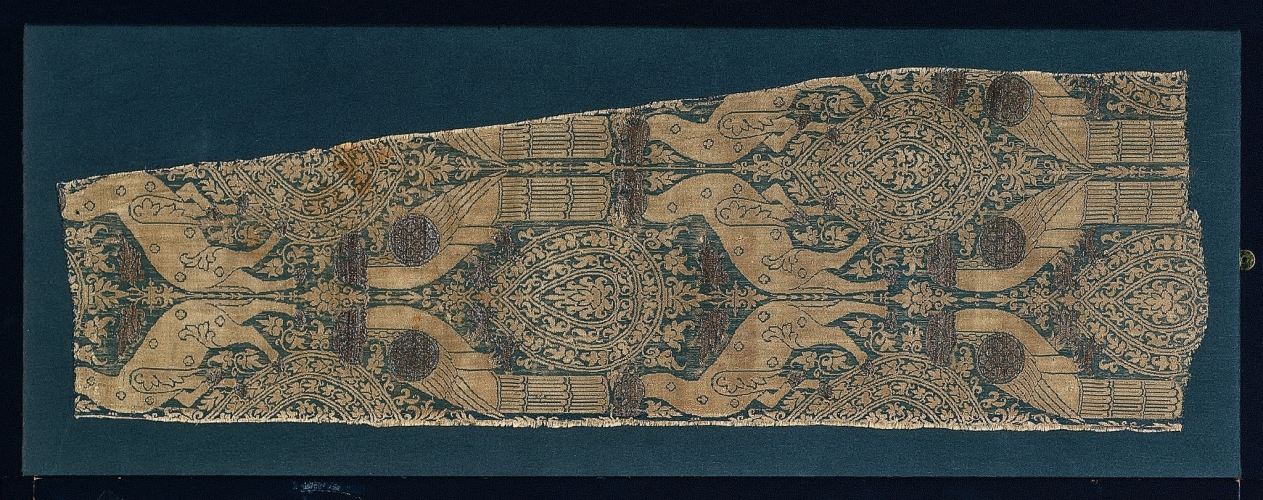
The Avian and Faunal Lexicon in Imperial Silk: A Heritage Analysis of Parrots and Animals in Weaving
Introduction: The Materiality of Silk and the Imperial Narrative
Silk, as a material, is not merely a textile; it is a repository of cultural memory, a testament to the confluence of art, power, and nature. Within the legacy of imperial silk weaving, the depiction of parrots and animals transcends mere ornamentation. These motifs serve as a sophisticated lexicon, encoding messages of sovereignty, exoticism, and the natural world’s dominion. At Lauren Fashion Heritage Lab, we examine this heritage through the lens of materiality—specifically, the interplay between the silk fiber’s inherent luminosity and the symbolic weight of its woven imagery. The legacy of imperial silk weaving, particularly from the Ming and Qing dynasties, offers a profound case study in how parrots and animals were not just decorative elements but integral components of a visual language that communicated imperial authority and cosmological order.
The Parrot as a Symbol of Exoticism and Imperial Reach
The parrot, a creature of vivid plumage and remarkable vocal mimicry, occupies a unique position in the imperial silk canon. Its inclusion in woven patterns—often rendered in polychrome silks, gold threads, and intricate brocade techniques—signals the empire’s expansive trade networks and its mastery over distant lands. Parrots were frequently imported as tribute from Southeast Asia and the Indian subcontinent, making them living symbols of the emperor’s dominion over the known world. In silk weaving, the parrot is depicted with meticulous attention to its curved beak, bright eyes, and layered feathers, often perched on pomegranate branches or intertwined with peonies. This iconography is not accidental; it reflects a deliberate fusion of the exotic with the auspicious. The parrot’s ability to “speak” was seen as a metaphor for the emperor’s all-hearing authority, while its vibrant colors—emerald green, ruby red, and sapphire blue—were achieved through complex dyeing processes that showcased the weaver’s technical prowess. The materiality of silk enhances this symbolism: the fiber’s natural sheen mimics the parrot’s iridescent feathers, creating a visual effect that shifts with light, much like the bird’s living plumage.
Animals as Guardians and Emblems of Virtue
Beyond parrots, the imperial silk repertoire is rich with animal motifs—dragons, phoenixes, lions, deer, and cranes—each carrying distinct connotations. These animals are not random; they are part of a hierarchical system rooted in Confucian cosmology and Daoist symbolism. For instance, the dragon, often woven in gold or silver thread on a crimson silk ground, represents the emperor’s supreme power and his role as the mediator between heaven and earth. The phoenix, paired with the dragon, symbolizes the empress and marital harmony. Lions, frequently depicted in pairs, guard sacred spaces and signify courage. Deer, associated with longevity and prosperity, are shown in pastoral scenes that evoke a harmonious natural order. The weaver’s challenge was to balance these symbolic demands with the structural integrity of the silk. The use of kesi (cut silk tapestry) or jin (brocade) techniques allowed for precise color transitions and intricate detailing, ensuring that each animal’s posture, scale, and placement within the pattern conveyed its intended meaning. For example, a lion’s mane might be rendered in raised gold thread to emphasize its protective ferocity, while a deer’s antlers would be woven in subtle gradations of brown to suggest gentleness.
The Technical Mastery of Silk Weaving: Materiality and Motif
The materiality of silk itself dictates the possibilities and limitations of animal representation. Imperial silk weavers operated under strict protocols, using only the finest mulberry silk filaments, which were degummed, dyed, and twisted to achieve specific textures. The warp and weft threads were meticulously counted to ensure that the woven pattern aligned with the fabric’s structural grid. For parrots and animals, this required a deep understanding of how light interacts with silk. A parrot’s eye, for instance, might be woven with a single, carefully placed knot of black silk to create a lifelike sparkle. The use of gold-wrapped thread—a core of silk filament enveloped in thin strips of gold leaf—was reserved for the most prestigious pieces, such as imperial robes and ceremonial hangings. This technique not only added a dimension of luxury but also imbued the animal motifs with a sense of divine radiance. The legacy of this technical mastery is evident in surviving artifacts, where the colors remain vibrant centuries later, a testament to the stability of natural dyes and the weaver’s skill.
Contextual Legacy: From Imperial Court to Contemporary Heritage
The legacy of imperial silk weaving with animal motifs extends beyond the historical court. In the 21st century, these patterns are reinterpreted by luxury houses and heritage labs, including our own, as part of a broader effort to preserve and innovate. The parrot, once a symbol of imperial tribute, now represents global connectivity and cultural exchange. Animals like the dragon and phoenix have been reimagined in modern silhouettes, their traditional forms abstracted into geometric patterns that still honor their original symbolism. The materiality of silk remains central: contemporary weavers use sustainable silk and digital jacquard looms to replicate the precision of ancient techniques while reducing environmental impact. This evolution reflects a Savile Row sensibility—an adherence to craftsmanship, attention to detail, and a respect for heritage that informs modern design. The parrot and animal motifs are no longer confined to imperial robes; they appear on tailored jackets, scarves, and accessories, bridging the gap between historical legacy and contemporary luxury.
Conclusion: The Enduring Power of Silk and Symbol
The study of parrots and animals in imperial silk weaving reveals a profound dialogue between materiality and meaning. Silk, with its unique physical properties, elevates these motifs from mere decoration to carriers of imperial ideology, cultural values, and technical achievement. The legacy of this weaving tradition is not static; it continues to inspire and inform, reminding us that the finest textiles are those that weave together history, artistry, and the natural world. At Lauren Fashion Heritage Lab, we honor this legacy by preserving the techniques, studying the symbols, and applying their lessons to the future of fashion. The parrot’s call, the dragon’s roar, and the deer’s gentle tread—these are not just echoes of the past but living threads in the fabric of heritage.