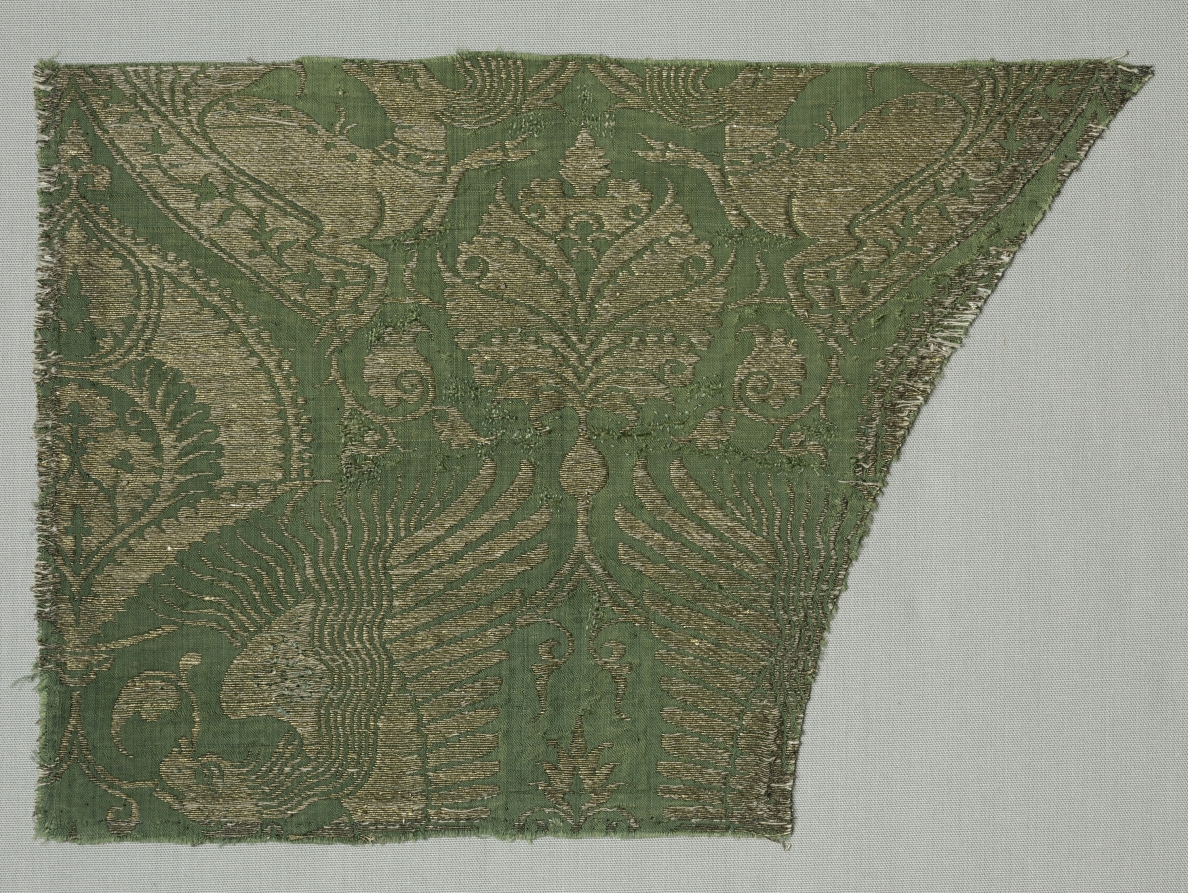
The Exotic Gold-Patterned Silk: A Heritage Artifact of Imperial Legacy
Introduction: The Fabric of Power and Prestige
In the hallowed corridors of London’s Savile Row, where tailoring is elevated to an art form, the heritage of silk—particularly the exotic gold-patterned variety—stands as a testament to centuries of craftsmanship, trade, and imperial ambition. This research artifact examines the materiality of silk, focusing on the legacy of imperial silk weaving that produced these opulent textiles. As a Senior Heritage Specialist at the Lauren Fashion Heritage Lab, I present this analysis with the precision and reverence befitting a Savile Row cutter: every thread tells a story, and every pattern holds a secret.
The exotic gold-patterned silk is not merely a fabric; it is a chronicle of global exchange, technological mastery, and cultural symbolism. From the looms of ancient China to the ateliers of Renaissance Europe, and finally to the bespoke suits of modern gentlemen, this silk embodies the intersection of luxury and legacy. Its materiality—the weight, drape, and luster of silk combined with the shimmer of gold thread—demands a nuanced understanding of both its physical properties and its historical context.
Materiality: The Silk Itself
Silk is a natural protein fiber, produced by the silkworm Bombyx mori, and has been prized for millennia for its unparalleled softness, strength, and sheen. The exotic gold-patterned variant elevates this base material through the incorporation of gold thread, typically made from gilded silver or gold leaf wrapped around a silk core. This technique, known as gold thread embroidery or metal thread weaving, requires exceptional skill. The gold thread is not merely decorative; it alters the fabric’s drape, making it stiffer yet more luminous, a paradox that tailors must master.
The weight of such silk is substantial—often 200 to 300 grams per square meter—compared to standard silk’s 60 to 100 grams. This heft is a signature of imperial weaving, where opulence was measured by the density of gold. The pattern, whether a dragon, phoenix, or floral motif, is woven into the fabric using a brocade or damask technique, where the gold thread floats on the surface, creating a raised, tactile effect. Under a magnifying glass, the precision of the weave reveals the artisan’s hand: each gold thread is locked in place by silk warp and weft, ensuring durability despite its delicate appearance.
From a conservation perspective, gold-patterned silk is notoriously fragile. The gold thread can tarnish or snap under stress, while the silk base is susceptible to light and humidity. This materiality dictates its use: it is best reserved for ceremonial garments, evening wear, or statement pieces—never for daily wear. On Savile Row, such fabric is handled with white gloves, stored in acid-free tissue, and cut with surgical precision to minimize waste.
The Imperial Legacy: From the Silk Road to the Court
The legacy of imperial silk weaving is rooted in the Silk Road, a network of trade routes that connected China to the Mediterranean from the 2nd century BCE. Chinese emperors guarded the secret of sericulture—the cultivation of silkworms—for centuries, exporting raw silk and finished textiles as symbols of sovereignty. The gold-patterned silk, in particular, was reserved for the imperial court, where it adorned robes, banners, and thrones. The patterns were not arbitrary: dragons symbolized the emperor’s power, phoenixes represented the empress, and floral motifs conveyed harmony and prosperity.
By the Tang Dynasty (618–907 CE), Chinese weavers had perfected the kesi (cut silk) technique, which allowed for intricate gold patterns. These textiles were so prized that they were used as diplomatic gifts, spreading across Asia and into Europe. The Mongols, under Genghis Khan, further disseminated these silks, and by the 13th century, gold-patterned silk was a fixture in Persian and Ottoman courts. The Safavid dynasty in Iran, for instance, produced gold brocades that rivaled Chinese originals, blending Islamic geometric patterns with Chinese motifs.
In Europe, the arrival of gold-patterned silk in the Renaissance sparked a revolution in fashion and power. Italian city-states like Venice and Florence became centers of silk weaving, importing Chinese techniques and adapting them to local tastes. The Borgia and Medici families commissioned gold-patterned silks for their palaces, using them to assert their wealth and political influence. By the 17th century, French weavers in Lyon had developed the point de France technique, creating gold-patterned silks for the court of Louis XIV. The Sun King’s robes, embroidered with gold fleur-de-lis, were a direct heir to the imperial Chinese tradition.
Savile Row and the Modern Interpretation
On Savile Row, the exotic gold-patterned silk is a rarity, reserved for the most discerning clients. The legacy of imperial weaving informs every aspect of its use. A bespoke suit or jacket crafted from this fabric is not a garment; it is a heirloom. The tailor must consider the fabric’s historical weight—both literal and metaphorical. The gold pattern, often a subtle brocade on a dark silk ground, is cut to align with the client’s physique, ensuring that the motif flows naturally across shoulders and lapels. The lining, typically a contrasting silk, is chosen to complement the gold without competing.
The construction process is meticulous. The silk is pre-shrunk to prevent distortion, and the gold thread is stabilized with a fine netting to avoid fraying. Seams are hand-finished with silk thread, and the jacket is structured with horsehair canvas to support the fabric’s weight. The result is a garment that moves with the wearer, catching light like a medieval tapestry. This is not fashion; it is heritage worn.
In the context of the Lauren Fashion Heritage Lab, this artifact represents a bridge between past and present. The exotic gold-patterned silk is a reminder that luxury is not about excess but about mastery—of material, technique, and history. As Savile Row continues to evolve, this silk endures as a benchmark of quality, a thread connecting the imperial courts of Asia to the ateliers of London.
Conclusion: The Enduring Thread
The exotic gold-patterned silk is more than a textile; it is a heritage artifact that encapsulates the legacy of imperial silk weaving. Its materiality—the interplay of silk and gold—demands respect and expertise. From the looms of ancient China to the cutting tables of Savile Row, this fabric has been a symbol of power, artistry, and cultural exchange. For the modern connoisseur, it offers a tangible link to a world where craftsmanship was king, and every thread was a statement of identity. In preserving and studying such artifacts, we honor not just the fabric, but the hands that wove it, the empires that traded it, and the tailors who continue to shape it into wearable art.