The Eternal Geometry of Draped Authority: Terracotta Fragments and the 2026 Old Money Silhouette
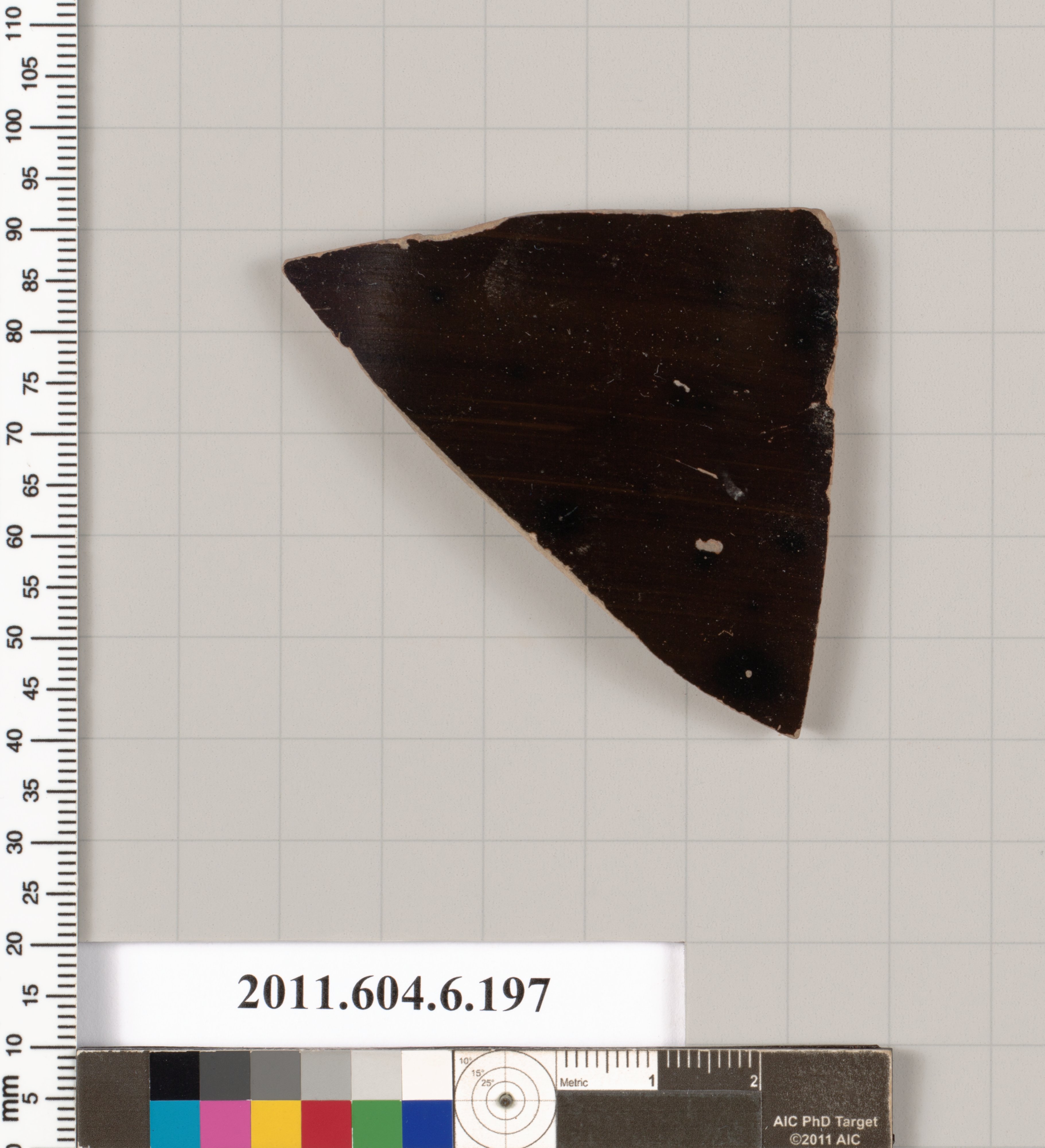
In the hushed archives of the Lauren Fashion Heritage Lab, we routinely juxtapose the ephemeral with the eternal. The terracotta fragment of an Attic skyphos—a deep drinking cup from the Greek classical period—is not merely a vessel for wine; it is a coded artifact of civic virtue, philosophical poise, and the aesthetic of controlled restraint. When read through the dual lens of our internal genetic code—the Socratic heroism of Greek vase painting and the serene transcendence of Indian relief sculpture—this humble shard of fired clay becomes a foundational text for the 2026 Old Money silhouette. The Old Money aesthetic, at its core, is not about opulence but about inherited authority—a quiet, unassailable presence that speaks through form, texture, and the deliberate absence of excess. The skyphos fragment, with its geometric precision, its narrative of ritualized consumption, and its material honesty, offers a direct lineage to the draped, sculptural, and philosophically grounded garments that will define the coming season.
I. The Skyphos as a Diagram of Stoic Lineage
The terracotta fragment, likely from the late 5th or early 4th century BCE, bears the unmistakable hallmarks of Attic pottery: a fine, reddish-orange clay body, a glossy black slip, and incised lines that once defined a scene of symposium or athletic contest. The skyphos was the cup of the common citizen-soldier, the vessel for the diluted wine that fueled Platonic dialogues and democratic debate. Its form—a deep bowl with two horizontal handles—is a study in functional gravity. The handles do not flutter; they anchor. The lip is clean, unadorned, suggesting a culture that valued clarity over ornament. This is the same clarity we see in the Socratic death scene from our internal code: the philosopher’s hand, pointing upward toward the ideal, is rendered with a line that is both economical and absolute. There is no wasted gesture, no superfluous curve. The skyphos, like the Socratic figure, is a diagram of moral geometry.
For the 2026 Old Money silhouette, this translates directly into the architecture of the shoulder. The horizontal handles of the skyphos, when abstracted, become the clean, extended shoulder line of a tailored overcoat or a cashmere wrap. The deep bowl suggests a silhouette that is generous in the torso but cinched at the waist—not through constriction, but through the natural fall of fabric. The terracotta’s color—a warm, oxidized umber—informs the season’s foundational palette: not the bright red of revolution, but the burnt sienna of antiquity, a hue that speaks of sun-baked amphorae and library dust. This is the color of inherited leather-bound volumes, of a patina earned through time, not through chemical treatment. The Old Money garment, like the skyphos, must look as though it has always existed.
II. The Draped Body as a Vessel for Virtue
The internal genetic code reveals a profound tension between the Greek and Indian approaches to the body. The Greek skyphos and the Socratic narrative celebrate the individual form—the body as a container for rational soul. The Indian stele dissolves the body into a flowing, cosmic rhythm. The 2026 Old Money silhouette must synthesize these two impulses: it must be sculptural yet fluid, structured yet transcendent. The terracotta fragment teaches us that the most powerful drapery is not loose but anchored. The folds of a chiton or himation, as seen on countless Attic vases, are not random; they follow the logic of the body’s movement, creating a rhythm of light and shadow that is both mathematical and organic.
This principle manifests in the 2026 collection through the reimagined tunic dress and the asymmetrical wrap coat. The fabric—whether heavy wool, matte silk, or brushed cashmere—must possess a terracotta-like density. It should not flutter; it should fall. The draping technique borrows from the Greek chlamys: a single piece of cloth, pinned at the shoulder, creating a diagonal line that breaks the symmetry of the body. This diagonal is the visual equivalent of the Socratic finger pointing upward—a gesture that disrupts the horizontal plane of the mundane and directs the eye toward the ideal. The color remains in the heritage-black spectrum, but with the subtle warmth of the terracotta’s iron oxide: a black that is not dead but alive, like the black slip on the skyphos that still reflects light after two millennia.
III. The Material Paradox: Honest Luxury and the Illusion of Eternity
The Indian relief from our internal code presents a paradox: mineral pigments, the most material of substances, are used to depict the immaterial—the Buddha’s parinirvana, the dissolution of self. The terracotta skyphos offers a parallel paradox: fired clay, the most humble of materials, is elevated to a vessel for the highest philosophical discourse. The 2026 Old Money silhouette must embody this material paradox. It cannot rely on obvious markers of wealth—logos, excessive embellishment, or ostentatious cuts. Instead, it must find luxury in weight, texture, and the precision of a seam.
The terracotta fragment’s surface—slightly porous, matte, yet with a subtle sheen where the slip remains—informs the fabric choices for the season. We see a return to unlined, dense wools that feel substantial without being heavy, and to silk twills that have a dry, almost chalky hand. The finish is never glossy; it is luminously matte, like the surface of a well-worn stone. This is the aesthetic of the permanent object—a garment that is not disposable but destined for inheritance. The construction must be equally honest: seams are visible but impeccable, buttons are horn or bone, and the silhouette is built around the body’s natural architecture, not against it.
IV. The 2026 Silhouette: A Synthesis of Stoic and Serene
The final silhouette for 2026 Old Money is a synthesis of the two poles in our genetic code. From the Greek skyphos and Socratic death, we take the vertical line—the elongated torso, the clean shoulder, the precise hem. From the Indian stele, we take the horizontal release—the gentle flare of a coat, the soft drape of a scarf, the asymmetry that suggests movement without haste. The result is a garment that is both a fortress and a veil. It protects the wearer from the vulgarities of fast fashion and digital display, while simultaneously offering a quiet, almost monastic invitation to contemplation.
The terracotta fragment, with its deep bowl and anchored handles, becomes the master pattern for the season’s key piece: the heritage-black, single-breasted overcoat. The coat’s body is generous, like the skyphos bowl, but it is cinched at the waist with a single, leather-bound belt—a horizontal handle, if you will. The lapels are wide but not exaggerated, cut with the same clean geometry as the cup’s lip. The fabric is a dense, double-faced wool, dyed in a black that has been warmed with a hint of burnt umber, recalling the terracotta’s clay body. Inside, the lining is a deep, mineral red—the color of the Greek red-figure pottery, a secret flash of ancient life against the wearer’s skin.
This is not a garment for the present; it is a garment for the permanent archive. It is the material answer to the Socratic question: how does one face the end? By dressing with the same clarity, gravity, and quiet transcendence that the skyphos and the stele both embody. The 2026 Old Money silhouette is, in essence, a terracotta vessel for the soul—fired in the kiln of history, glazed with the wisdom of two civilizations, and ready to be passed, unbroken, to the next generation.