← BACK TO ARCHIVES
Silk
Heritage Synthesis: Parrots and Animals
Curated on Jul 30, 2026 // Node: LDN-01
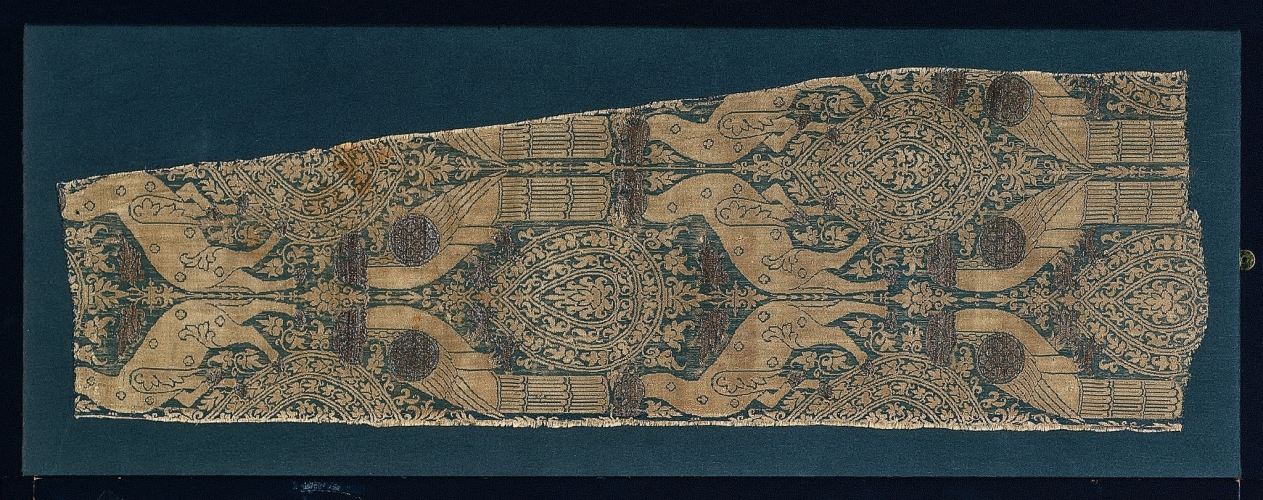
The Enduring Thread: Parrots, Animals, and the Legacy of Imperial Silk Weaving
In the hushed ateliers of London’s Savile Row, where the whisper of shears and the weight of worsted wool define a century of tailoring, there exists a quieter, more luminous narrative: the story of silk. This is not merely a fabric of commerce, but a materiality of empire, a thread that binds the opulence of imperial courts to the disciplined craftsmanship of the modern gentleman. Within this legacy, the motif of parrots and animals emerges as a profound heritage research artifact—a testament to the global exchange of ideas, the mastery of material, and the enduring power of nature as a symbol of status and sophistication.
Materiality of Silk: The Imperial Weave
Silk, by its very nature, is an artifact of ambition. Its production, from the mulberry-fed silkworm to the intricate loom, was once a closely guarded secret of the Chinese imperial court, a monopoly that shaped trade routes and political alliances for millennia. The materiality of silk—its lustrous sheen, its unparalleled drape, its ability to hold the most vivid of dyes—made it the definitive medium for expressing power. In the context of imperial silk weaving, particularly during the Ming and Qing dynasties, silk was not just a textile; it was a language. The warp and weft of a robe or a hanging communicated the wearer’s rank, their cultural literacy, and their connection to the celestial order. The legacy of this weaving is one of precision: each thread was a calculated decision, each pattern a coded message.
The introduction of silk to the West, through the Silk Road and later through European trade companies, transformed it into a commodity of luxury and a symbol of colonial reach. By the 18th and 19th centuries, London’s silk weavers in Spitalfields were producing fabrics that rivaled those of Lyon and Beijing, adapting imperial motifs for a new aristocracy. This is where the parrot and animal motifs take their place in the heritage narrative.
The Parrot and the Animal: Symbols of Empire and Exotica
The parrot, in particular, is a striking figure within imperial silk weaving. Native to the tropical regions of Asia, Africa, and the Americas, the parrot was an exotic import to the courts of China and Europe. In Chinese iconography, the parrot was often associated with wisdom, longevity, and the ability to mimic human speech—a symbol of the court’s mastery over nature and language. On imperial robes, parrots were frequently depicted alongside peonies or lotus blossoms, their vibrant green and red plumage contrasting with the gold-threaded clouds and dragons. This was not mere decoration; it was a statement of the emperor’s dominion over distant lands and their natural wonders.
In the context of Savile Row, the parrot motif on a silk tie or a pocket square carries this weight of history. It is a nod to the gentleman’s worldliness, his appreciation for the rare and the refined. Similarly, other animals—the tiger, the crane, the mythical qilin—appear on imperial silks as emblems of courage, purity, and prosperity. The tiger, for instance, was a symbol of military might and protection, often woven into the robes of high-ranking officials. The crane, with its elegant flight, represented immortality and the scholar’s aspiration for transcendence.
The Legacy of Imperial Silk Weaving in Modern Craft
The legacy of imperial silk weaving is not a static relic but a living tradition that informs contemporary craftsmanship. On Savile Row, the relationship between tailor and cloth is one of reverence. A silk jacket or a bespoke lining is not an afterthought; it is a deliberate choice that connects the wearer to a lineage of artisans who understood the weight of materiality. The parrot and animal motifs, when rendered in silk, require a mastery of technique that echoes the imperial looms. The Jacquard loom, invented in the early 19th century, allowed for the precise weaving of complex patterns, making it possible to replicate the intricate designs of Chinese silks with European precision. Today, heritage mills in England and Italy still produce silks with these motifs, using methods that have been passed down through generations.
The materiality of silk also demands a specific approach to care and preservation. Unlike wool or cotton, silk is a protein fiber, sensitive to light, moisture, and friction. This fragility is part of its allure; it requires the wearer to treat it with the same respect as a family heirloom. For the heritage specialist, the study of these artifacts involves not just the visual analysis of the pattern but the forensic examination of the weave—the thread count, the dye composition, the warp and weft structure. Each detail reveals the provenance and the skill of the weaver.
Conclusion: The Thread That Binds
In the world of Savile Row, where tradition and innovation coexist, the parrot and animal motifs on silk serve as a bridge between East and West, between imperial grandeur and modern elegance. They remind us that heritage is not about nostalgia but about the continuous reinterpretation of excellence. The legacy of imperial silk weaving is a testament to the human desire to capture the natural world in a material that transcends time. As you consider the silk in your wardrobe—whether a tie, a scarf, or a lining—remember that you are carrying a thread of history. The parrot’s call, the tiger’s stride, the crane’s flight: these are not just patterns. They are the enduring symbols of a craft that has shaped civilizations, and they remain, in the hands of a skilled tailor, as relevant today as they were in the courts of the emperors.
Heritage Lab Insight
Lab Insight: CMA Silk Archive Node integration.