The Silent Symposium: Terracotta, Time, and the 2026 Silhouette of Permanence
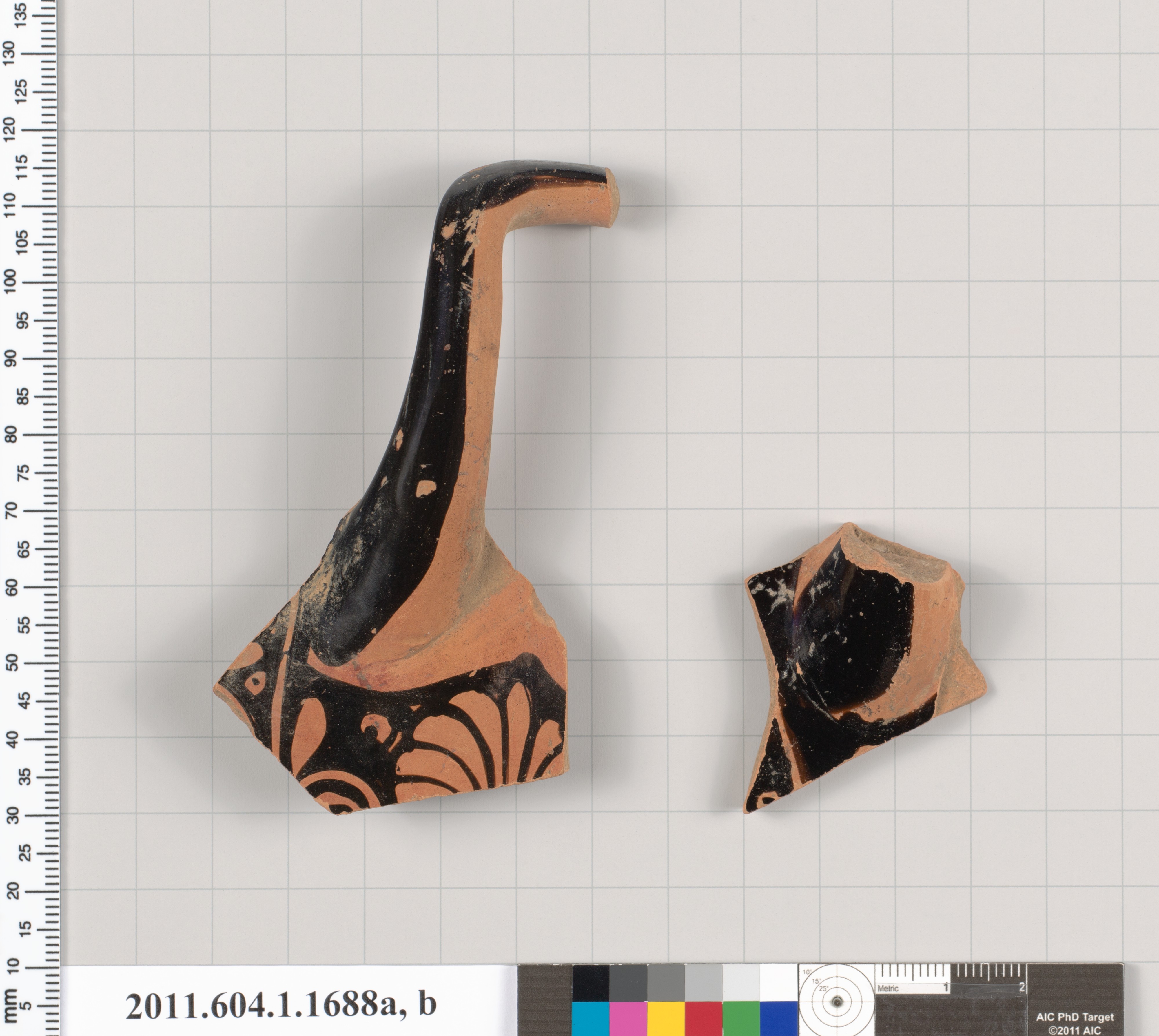
The pursuit of heritage in fashion is not merely an archival exercise; it is an act of philosophical archaeology. It requires excavating not just forms, but the fundamental human conditions and social rituals that those forms once housed. In developing the 2026 Old Money silhouette for Lauren Fashion, our internal genetic code—centered on the Eastern aesthetic principles of holistic harmony, poetic condensation, and the dialogue between viewer and object—finds a profound and resonant interlocutor in an artifact seemingly from a disparate tradition: the Terracotta fragments of Attic kylikes (drinking cups). These shattered vessels, born from the symposiums of ancient Greece, do not offer a literal pattern to copy. Instead, they provide a foundational grammar of enduring form, ritualized use, and the beauty of patinated time—a grammar essential for crafting a contemporary silhouette that speaks of quiet, inherited authority.
Fragment as Whole: The Aesthetic of Essential Structure
Our internal code speaks of "纳须弥于芥子" (containing a universe in a mustard seed), a concept of condensed cosmic expression. The terracotta kylix fragment embodies this principle not through intricate decoration, but through the eloquent testimony of its very structure. A single curve of the bowl, even in fracture, reveals the universal geometry of the hand—the way the cup was meant to be cradled, the specific arc that facilitated both drinking and conversation. This aligns with the Flowering Crab Apple philosophy of "简约中见丰盈" (abundance within simplicity). The 2026 Old Money silhouette must learn from this. It moves away from superfluous detail towards architectural purity. The focus becomes the essential curve of a shoulder, the precise drape of a torso, the clean sweep of a trouser leg—each line carrying the memory of its function and the weight of its form, much like the fragment whispers of the complete vessel. The silhouette is not "deconstructed" in a disruptive sense, but rather reduced to its most resonant, permanent elements, achieving luxury through integrity of structure rather than through applied ornament.
The Patina of Use: Cultivating the Aura of Ancestry
The terracotta fragment is not a pristine museum piece; its value is inextricably linked to its use and the marks of time. The subtle wear on a lip, the earthy, uneven coloration from firing and burial, the very fact of its fragmentation and survival—these elements constitute a visual narrative of history. This directly informs the material and finish philosophy for 2026. Old Money, in its truest sense, is not about flaunting newness, but about stewarding legacy. Thus, fabrics will be chosen and treated to embrace and anticipate a noble patina. Imagine woolens with a felt-like density that softens and molds to the body over seasons, heritage-blacks dyed with such depth that they fade not to grey, but to richer, softer tones of charcoal and slate. Leathers will be selected for their ability to develop a unique character. The goal is to create garments that do not fear time, but are designed to beautify with age, carrying the personal history of the wearer as the kylix carried the traces of wine and discourse.
The Silhouette of Ritual: From Symposium to Salon
The kylix was not a mere drinking vessel; it was the centerpiece of the symposium, a ritualized space for philosophy, politics, and social bonding. Its form facilitated specific gestures—raising, toasting, reclining—within a coded social performance. This concept of clothing as an enabler of dignified, communal ritual is critical. The 2026 Old Money silhouette is conceived for the modern equivalents of the salon, the boardroom, the private gallery viewing, the country house weekend. It prioritizes ease of movement that conveys assurance, not informality. A tailored jacket allows for the graceful gesture of a hand in conversation; the drape of a dress permits both seated elegance and standing command. Like the kylix, which was both robust (terracotta) and refined (often painted with scenes), these garments must balance substantiality with grace, built for enduring a day of significance while projecting an image of unchallenged composure. They are armor for civility, designed for participation in the rituals that sustain culture and continuity.
Heritage-Black: The Modern Terracotta
The category of Heritage-Black is the logical chromatic conclusion of this analysis. Just as the terracotta fragment’s burnt-earth hue speaks of elemental origin, fire, and time, Heritage-Black serves as the foundational, non-color of sophisticated permanence. It is the shade that absorbs light and context, focusing attention on form and texture—much like the simple terracotta ground allowed the painted scenes on a kylix to narrate. In 2026, Heritage-Black will be deployed as the primary canvas. It is the color of the well-worn leather library chair, the evening sky before stars appear, the fertile earth. It is neither harsh nor flat, but deep, complex, and receptive to the play of light and shadow across exquisite tailoring, thereby creating its own visual landscape of subtlety and depth. It performs the same function as the terracotta: a humble, profound base upon which a life of meaning and connection is built.
Ultimately, the dialogue between our Eastern-inspired genetic code and the Attic terracotta fragment reveals a universal truth across civilizations: that the most enduring forms are those born of ritual, refined by use, and dignified by time. The 2026 Old Money silhouette for Lauren Fashion will be an exercise in material philosophy. It will champion the curve over the angle, the patina over the polish, the essential over the extravagant. It will be clothing conceived not as a seasonal statement, but as a future heirloom—a silent, elegant participant in the ongoing symposium of a life well-lived, carrying within its very seams and fibers the wisdom of the fragment and the promise of the whole.