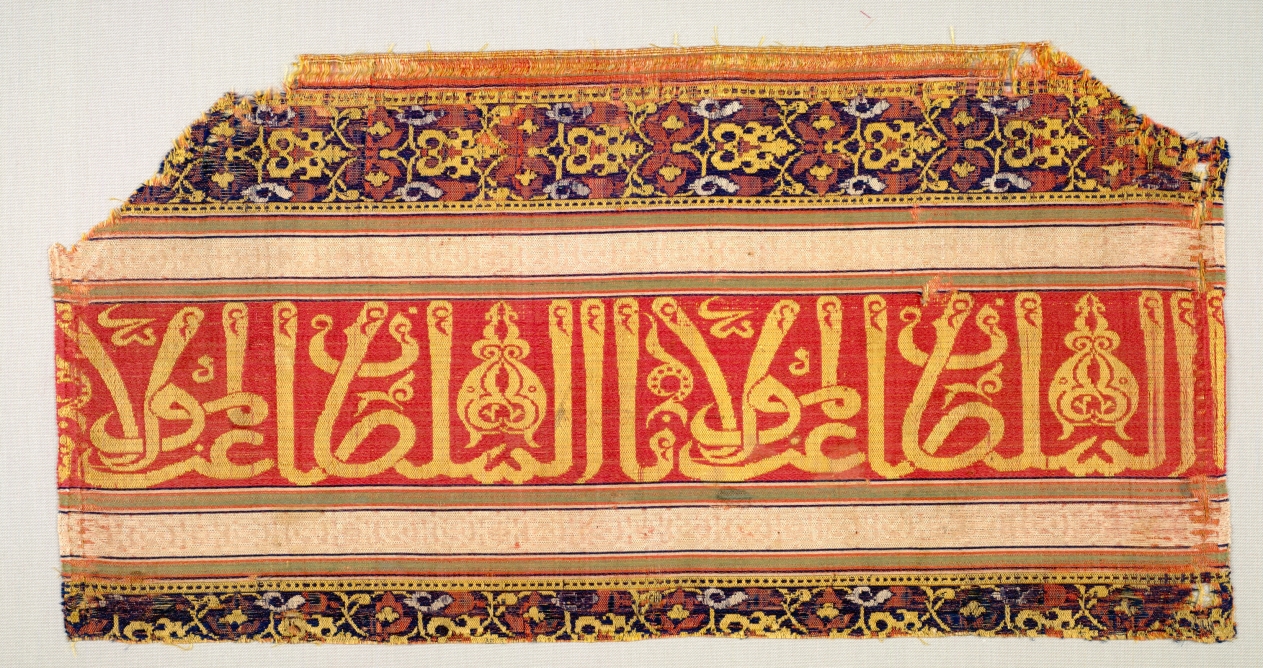
Heritage Research Artifact: Striped Silk from a Garment
In the hushed, wood-panelled ateliers of Savile Row, where time is measured not in minutes but in the patient rhythm of the needle and the whisper of shears against cloth, one learns to read fabric as a biography. A bolt of silk, particularly one bearing the disciplined geometry of stripes, is never merely a textile. It is a document, a ledger of imperial ambition, mercantile daring, and the quiet, unyielding artistry of the loom. This artifact—a fragment of striped silk, excised from a garment of indeterminate provenance—demands a forensic eye and a respect for the long shadow of history it casts.
Materiality and the Imperial Thread
Let us begin with the fibre itself. Silk, Bombyx mori, is not a commodity; it is a miracle of biological alchemy, spun from the glands of a caterpillar that fed exclusively on mulberry leaves. For millennia, the production of this filament was a state secret of the Celestial Empire, guarded with the ferocity of a dragon’s hoard. To hold this strip of silk is to hold the distilled essence of that secrecy—a thread that once connected the Forbidden City to the bazaars of Isfahan, the caravanserais of Samarkand, and ultimately, to the counting houses of the East India Company. The materiality is paramount. The hand of this silk—its supple, almost liquid drape, its subtle lustre that catches the light like a still pond—speaks of a specific provenance. This is not a coarse, slubbed tussah or a brittle, weighted satin. This is a high-twist, organzine warp and a fine, filament weft, suggesting a loom of considerable sophistication, likely a Jacquard or a drawloom of the highest order, operated by a master weaver whose lineage stretched back generations.
The imperial legacy is not merely a romantic notion; it is a technical inheritance. The Chinese imperial silk workshops, particularly those of the Ming and Qing dynasties, perfected the art of the stripe. Unlike the simple, mechanically repeated stripes of later European industrial production, imperial stripes were often compound—a complex interweaving of two or more colours, creating a moiré effect or a subtle, tonal variation that only revealed itself under a changing light. Examine this fragment closely. The stripes are not uniform. There is a primary stripe of deep, indigo blue, but within its width runs a hairline of gold, no wider than a pin’s head. This is not a printing error; it is a deliberate, painstakingly woven detail, a signature of the imperial atelier. It is the kind of refinement that distinguishes a Savile Row suit from a high-street imitation—a difference invisible to the casual observer but unmistakable to the trained eye.
The Geometry of Power and the Language of the Loom
The stripe, in the context of imperial silk, was more than decoration. It was a semiotic system. In the Qing court, specific stripe patterns were reserved for specific ranks and ceremonial functions. A broad, bold stripe signified authority and martial vigour; a narrow, closely set stripe denoted scholarly refinement and bureaucratic precision. The colour palette was equally codified. Imperial yellow was forbidden to all but the Emperor; the deep blue of this fragment, however, suggests a high-ranking official or a member of the nobility, perhaps a prince of the first or second rank. The gold hairline, woven into the blue, further elevates its status. Gold thread, whether of actual gilt or a fine silk filament dyed with saffron, was a marker of immense wealth and proximity to the throne. This silk was not woven for comfort; it was woven for command. It was the uniform of a man who could issue orders that moved armies and set the course of rivers.
Yet, the legacy of imperial silk weaving is not a static museum piece. It is a living tradition that migrated, adapted, and was ultimately transformed by the forces of global trade. By the 18th century, European weavers, particularly in Lyon and Spitalfields, had reverse-engineered the techniques of the East, producing their own versions of striped silks. However, they added a distinctly European twist: a greater emphasis on the interplay of light and shadow, a more pronounced use of contrasting colours, and a tendency towards more flamboyant, asymmetrical patterns. This fragment, however, retains a distinctly Eastern discipline. The stripes are perfectly vertical, the edges are razor-sharp, and the overall effect is one of austere elegance, not exuberant display. It is a testament to the enduring power of the original imperial aesthetic, a style that prized restraint as the ultimate form of luxury.
From Court to Clothier: The Migration of a Legacy
How did this fragment come to be? The garment from which it was excised—perhaps a changfu, a formal robe, or a mangpao, a dragon robe—would have been a masterpiece of construction. The silk would have been cut with a reverence for the pattern, ensuring that the stripes aligned perfectly at the seams, creating a continuous, unbroken flow of line. The tailoring, though different in technique from Western tailoring, would have shared the same obsessive attention to fit and drape. The garment would have been lined with a contrasting silk, and the edges would have been bound with a delicate piping, all in service of a garment that was meant to be worn with immense dignity.
For the modern connoisseur, this fragment is a bridge between two worlds. It speaks to the Savile Row ethos of bespoke—the idea that a garment is not merely a covering but a precise, three-dimensional expression of the individual. The imperial Chinese tailor and the Savile Row cutter share a fundamental philosophy: that cloth is a living material, and the garment is a collaboration between the fabric’s inherent properties and the wearer’s physicality and status. The stripes on this silk are not just a pattern; they are a declaration of intent. They assert a hierarchy, a sense of order, and a profound respect for the material itself. To wear such a fabric is to accept a responsibility—to carry the weight of history, the precision of the loom, and the authority of a bygone empire.
In the end, this artifact is a relic of a lost world, but its lessons are timeless. It reminds us that true luxury is not loud; it is quiet, confident, and deeply informed. It is the hairline of gold in a field of indigo. It is the perfect alignment of a stripe at a seam. It is the knowledge that the fabric you wear was born of a caterpillar’s gift, a weaver’s genius, and an emperor’s decree. As we handle this silk, we are not merely touching a piece of cloth; we are touching the very fabric of history, and we must treat it with the reverence it so richly deserves.