← BACK TO ARCHIVES
Heritage-Black
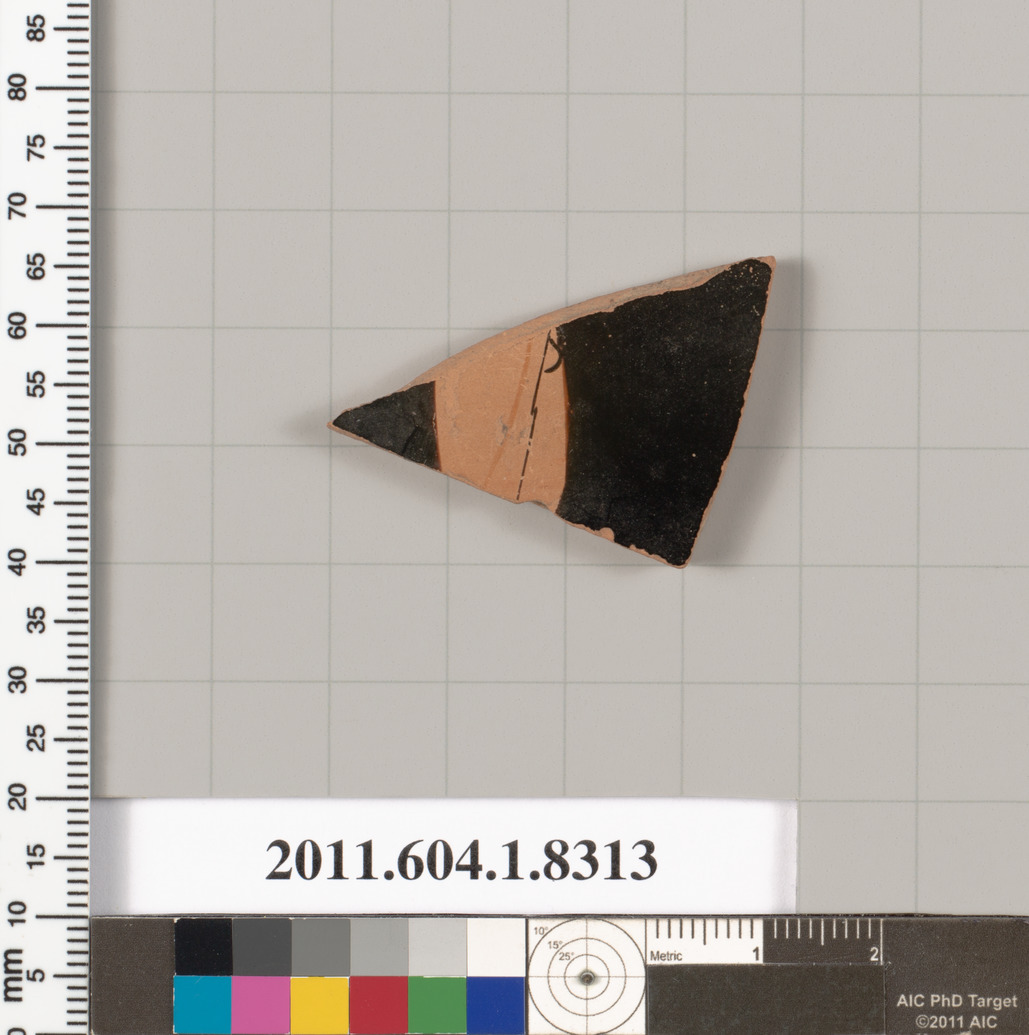
Heritage Synthesis: Terracotta fragment of a kylix (drinking cup)
Curated on Aug 07, 2026 // Node: LDN-01
The Dialectics of the Sacred and the Profane: Terracotta Fragments and the Architecture of 2026 Old Money Silhouettes
The internal genetic code of Lauren Fashion—our archival dialogue between the *Bodhisattva* and the *Amulet with Bovine Head*—reveals a foundational tension: the pursuit of transcendental harmony versus the grounding of protective, earth-bound power. This dialectic, far from being confined to Eastern devotional sculpture, finds a startling parallel in the Western classical tradition, specifically within the humble yet profound *Terracotta fragment of a kylix* (Attic, Greek). This shard of a drinking cup, a vessel for symposiastic pleasure, is not merely an archaeological relic; it is a critical blueprint for the 2026 Old Money silhouette. It instructs us that true heritage is not found in pristine perfection, but in the eloquent language of wear, use, and the quiet dignity of form that has endured the ravages of time.
From Sacred Stasis to Sympotic Motion: Recalibrating the Garment’s Purpose
The *Bodhisattva* embodies *static perfection*—a form frozen in a state of enlightened equilibrium, its drapery flowing in idealized, rhythmic patterns that speak of a reality beyond the mundane. The *kylix*, conversely, is a vessel of *dynamic function*. Its shallow bowl and twin handles were designed for the reclining symposium, a ritual of intellectual and social bonding. The terracotta fragment, with its chipped rim and faded black-figure glaze, does not aspire to the heavens; it is rooted in the tactile, the communal, and the ephemeral.
For the 2026 Old Money silhouette, this translates into a decisive move away from the overtly sculptural, structured garments that have dominated luxury fashion. We are not designing for a pedestal. We are designing for the *symposium of modern life*—for boardrooms, private clubs, and inherited country estates. The new silhouette must therefore prioritize *mobility and ease* as its primary architectural principles. This is not a return to the slouchy, unstructured normcore of the past decade, but rather a *deliberate, engineered fluidity*. Think of a double-faced cashmere overcoat that drapes with the weight of a classical himation yet moves with the ease of a well-worn blazer. The shoulder line, instead of being aggressively padded, is softly rounded, echoing the gentle curve of the kylix’s bowl. Trousers are cut with a subtle, continuous taper that suggests motion, never clinging but always following the body’s natural trajectory. The goal is a garment that feels *inhabited*, not merely worn—a garment that, like the kylix, is a tool for engagement with the world, not a monument to its own creation.
The Aesthetics of the Fragment: Wabi-Sabi and the Language of Patina
The most profound lesson from the terracotta fragment lies in its very incompleteness. The breakage, the surface abrasions, the loss of pigment—these are not defects but *narratives*. They are the physical record of countless hands, countless toasts, and the slow, inexorable passage of time. This aligns with the Japanese concept of *wabi-sabi*, the beauty of imperfection and impermanence, which resonates deeply with the internal code’s appreciation for the “non-human gaze” and the transformation of material into spiritual carrier.
In the 2026 Old Money collection, this translates into a radical embrace of *patina* and *texture*. We reject the sterile, high-gloss finishes of contemporary fast-luxury. Instead, we champion materials that age with grace and tell a story. This means:
- **Heritage-Black Wool:** Not a flat, synthetic black, but a deep, irregular black achieved through natural dyes on undyed wool, allowing subtle tonal variations that catch the light like the uneven surface of the terracotta.
- **Cashmere with a Dry Hand:** A brushed, slightly napped surface that mimics the porous, tactile quality of fired clay, inviting touch and developing a soft, lived-in sheen over time.
- **Lace as a Structural Memory:** Instead of delicate, decorative lace, we employ heavier, more geometric lace patterns that evoke the Greek *meander* motif, used as an inset panel on a wool coat, suggesting the fragmentary nature of the artifact itself.
- **Visible Mending and Artisanal Stitching:** Seams are not hidden but celebrated with contrasting, hand-stitched details, echoing the way a restorer might piece together a broken shard. This is not a gimmick but a declaration of value—a statement that the garment’s history is integral to its worth.
The 2026 silhouette is thus not about *newness* but about *inheritance*. It is designed to look as though it has already been lived in, as though it carries the memory of a thousand conversations. This is the ultimate Old Money signifier: not the ability to buy new things, but the confidence to possess things that have their own story, their own *patina of use*.
Form Follows Function: The Kylix as a Model for Discrete Luxury
The kylix was not an ostentatious object. Its beauty was intrinsic to its function—a perfectly balanced vessel for drinking. Similarly, the 2026 Old Money silhouette must be a study in *discrete luxury*. There is no logo, no overt branding. The wealth is communicated through the quality of the material, the precision of the cut, and the depth of the finish.
The fragment teaches us about *proportion*. The kylix’s wide, shallow bowl and low stem create a profile of grounded stability. This translates into silhouettes that emphasize a low, grounded center of gravity. Jackets are slightly elongated, with a waist seam that sits naturally, creating a columnar, grounded effect. Trousers are cut fuller at the thigh and taper gently, creating a sense of weight and presence. The overall line is one of quiet authority, not aggressive imposition.
Furthermore, the kylix’s dual handles are a lesson in *functional adornment*. They are not decorative appendages but essential to the object’s use. In our garments, this is mirrored in the placement of pockets, the cut of a lapel, or the drape of a sleeve. Every element must serve a purpose, whether it is to hold a pair of glasses, to be easily slipped on and off, or to provide a comfortable range of motion. This functionalism is the ultimate expression of confidence; it requires no explanation, no justification. It simply *is*.
Conclusion: The Shard as a Mirror for the Future
The *Bodhisattva* and the *Amulet* represent the spiritual poles of our heritage—the aspiration to the sublime and the need for earthly protection. The terracotta kylix fragment offers a third path, a *humanist* path. It grounds these abstract concepts in the reality of the body and the rituals of daily life. It reminds us that the most enduring forms of elegance are those that have been shaped by use, that bear the marks of their own history, and that serve a purpose beyond mere display.
For 2026, the Old Money silhouette is not a revival of a past era’s style but a philosophical stance. It is a commitment to *authenticity*, *durability*, and *functional beauty*. It is the art of the fragment, the confidence of the patina, and the quiet power of a form that has been perfected through use. It is, in essence, the creation of garments that are not just worn, but *lived in*—vessels for the modern symposium, carrying the stories of their wearers into the future with the silent, eloquent dignity of a shard from antiquity. This is the new heritage: not a relic to be preserved, but a living language to be spoken.
Heritage Lab Insight
Genetic Bridge: Archive node focusing on Heritage-Black craftsmanship.