The Vessel and The Void: Terracotta, The Symposium, and the 2026 Silhouette of Cultivated Ease
The Lauren Fashion Heritage Lab, in its ongoing excavation of sartorial philosophy, posits that foundational forms are not invented but remembered. Our internal genetic code, analyzing the dialogue between Ingres’s Oedipus and the Sphinx and a Ming Blue-and-White Mountain and Inscription Plate, established a critical dichotomy: the Western impulse towards dramatic, individual confrontation with fate versus the Eastern pursuit of harmonious integration within a natural order. This dialectic finds a profound and materially resonant antecedent in the Attic terracotta skyphos—a humble, fragmented drinking cup. This artifact does not merely inform 2026’s “Old Money” aesthetic; it provides its ontological blueprint, shifting the paradigm from ostentatious display to the cultivated, communal performance of ease.
The Skyphos: Vessel of Democratic Refinement
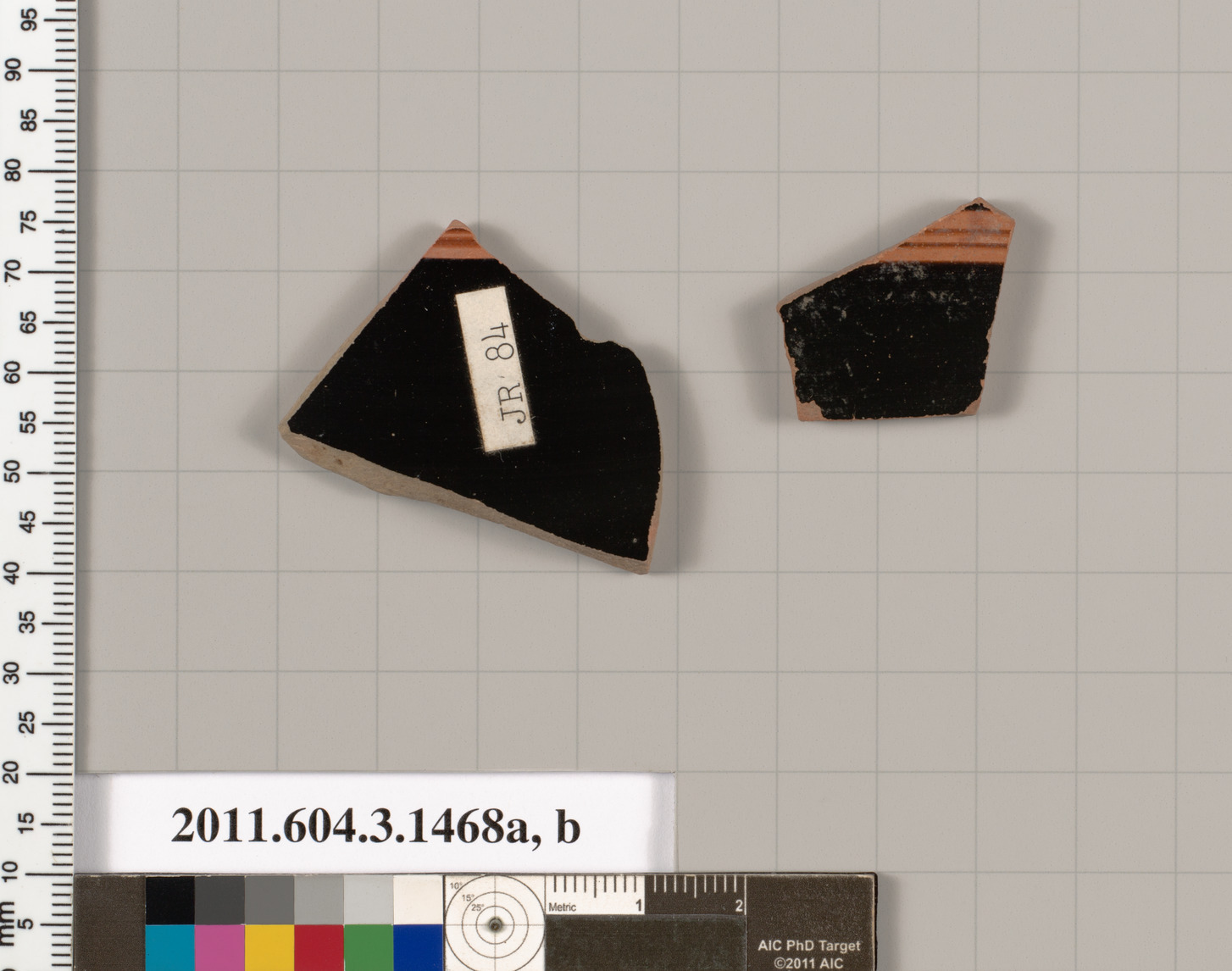
Unlike the mythic grandeur of Ingres’s painting or the rarefied perfection of imperial porcelain, the terracotta skyphos is an artifact of the Athenian symposium—the drinking gathering that was the crucible of philosophy, politics, and social bonding. Its value is inherently dual: it is a utilitarian vessel of common clay (terracotta), yet it is the ritual container for the wine that fuels elevated discourse. This duality is essential. The skyphos’s form is defined by function: a deep bowl for mixing wine and water, two horizontal handles for secure passing among reclining guests, a stable foot. Its beauty lies in its robust proportionality and the subtle curves that marry hand, lip, and liquid. The fragments in question, likely bearing traces of black or red-figure decoration, would have depicted scenes of daily life or mythology, not as distant drama but as shared cultural vocabulary. The skyphos, therefore, embodies a refined but unpretentious materialism—an object whose worth is derived from the social and intellectual capital it facilitates, not its intrinsic preciousness.
From Ceramic Fragment to Sartorial Principle: The 2026 Old Money Silhouette
The 2026 “Old Money” silhouette, as decoded through the skyphos, moves decisively away from the sharp, confrontational lines of power suiting (the “Oedipal” stance) and the overt, symbolic luxury of logo-driven fashion. It embraces instead the symposium’s ethos of cultivated ease and communal legitimacy. This translates into three core sartorial principles:
1. The Architecture of Unassuming Substance: Just as the skyphos’s terracotta clay is humble yet enduring, the 2026 silhouette prioritizes foundational, “quiet” luxury in materials—exclusive mid-weight wools, triple-layer cashmere, dense silks that hold their shape without sheen. The construction mirrors the cup’s robust form: tailoring emphasizes a relaxed yet definitive structure. Shoulders are natural, not padded; chest pieces are softly canvassed to follow the body’s topography; trousers exhibit a gentle, forgiving drape from a high waist. The silhouette is a vessel for the body, not a cage for it, offering the comfort necessary for prolonged, confident repose—the modern equivalent of reclining at the symposium.
2. The Aesthetics of Patinated Exchange (The "Fragment" as Detail): The fragmentary nature of the museum artifact is not a deficit but a guide. In the 2026 silhouette, “perfection” is less interesting than evidence of intelligent use and heritage. This manifests in details that suggest a narrative: elbow patches on a tweed jacket not as affectation but as plausible wear; a collar roll softened from decades of use; a cashmere sweater slightly felted at the cuffs. These are the sartorial equivalents of the skyphos’s patina and cracks—marks of participation in life’s dialogue. Furthermore, like the cup passed among friends, clothing details encourage subtle interaction: a uniquely textured button, an interior lining printed with a personal cartouche, a scarf knot that invites inquiry.
3. Silhouette as a Social Vessel: The "Negative Space" of Confidence The Ming plate taught us the power of liubai (reserved blank space) as an active compositional element. The skyphos teaches us about the social and sartorial “void” it creates. Its form dictates a specific posture—reclining, one hand free to gesture in debate. The 2026 silhouette creates its own necessary negative space: a jacket cut with enough ease through the back and chest to allow for expansive gesture; a dress with a neckline that frames the face as the focal point of conversation; layers that move without constraint. This is the antithesis of the restrictive, body-conscious “armor” of new money. The Lauren silhouette becomes a vessel for performance—not of wealth, but of effortless intellect and social grace, the true currency of any modern symposium.
Conclusion: Beyond Display, Towards Discourse
The terracotta skyphos ultimately reframes the “Old Money” ideal for 2026. It is not about displaying a static, inherited position (the Ingres model of heroic confrontation with one’s legacy). Nor is it about a retreat into solitary, Zen-like minimalism (the Ming model). It is, instead, about participating in an ongoing, cultivated discourse. The silhouette that emerges is one of understated authority, built for the dynamic exchange of ideas in rooms where influence is curated. It is clothing as a well-made, cherished vessel—a terracotta skyphos in wool and cashmere—designed not to be seen first, but to facilitate the performance within. It understands that the highest form of luxury is not owning the answer, but comfortably holding the cup from which the questions forever flow.