Fragments of Communion: Terracotta Kylikes and the Archaeology of 2026 Old Money Silhouettes
The genetic code of Lauren Fashion, as deciphered from the profound dialogue between the Bodhisattva and the bull-headed amulet, establishes a foundational principle: heritage is not a monolithic narrative but a layered conversation across time about form, function, and the human condition. It is an archaeology of meaning. When we apply this hermeneutic to a new artifact—the terracotta fragments of Attic kylikes (drinking cups)—we unearth not merely aesthetic references, but a foundational social and somatic grammar that directly informs the 2026 conception of "Old Money" silhouettes. This analysis moves beyond superficial classicism to interrogate how the materiality, fracture, and social ritual embedded in these ceramic shards can recalibrate modern tailoring towards a silhouette of earned ease, intellectual patina, and unspoken belonging.
The Kylix as Somatic Vessel: Architecture for the Hand and the Gathering
The intact kylix was a masterpiece of ergonomic and social design. Its wide, shallow bowl, twin horizontal handles (the "kylix handles"), and slender stem were engineered for specific, sophisticated bodily engagement. It was meant to be lifted gracefully, its weight distributed for steady drinking during reclined symposium conversation. This is not the architecture of solitary consumption but of participatory ritual. The form follows a philosophy of shared intellect and moderated pleasure. Translating this to 2026 Old Money silhouettes, we move away from the rigid, restrictive tailoring of perceived aristocracy and towards a silhouette engineered for enlightened participation. Imagine a blazer where the sleevehead and shoulder are constructed not for stark angularity, but for the elegant, unhindered reach of a gesture in debate; where the drape across the back allows for the relaxed, seated posture of a lengthy dinner dialogue. The silhouette becomes a vessel for the body in its social, intellectual state—comfortable, capable, and always engaged. The kylix’s handles find their echo in functional, perfectly scaled details: the roll of a lapel that invites the hand, the precise tension of a patch pocket, the curvature of a sleeve that accommodates a watch.
The Aesthetic of the Fragment: Patina, Asymmetry, and the Non-Finito
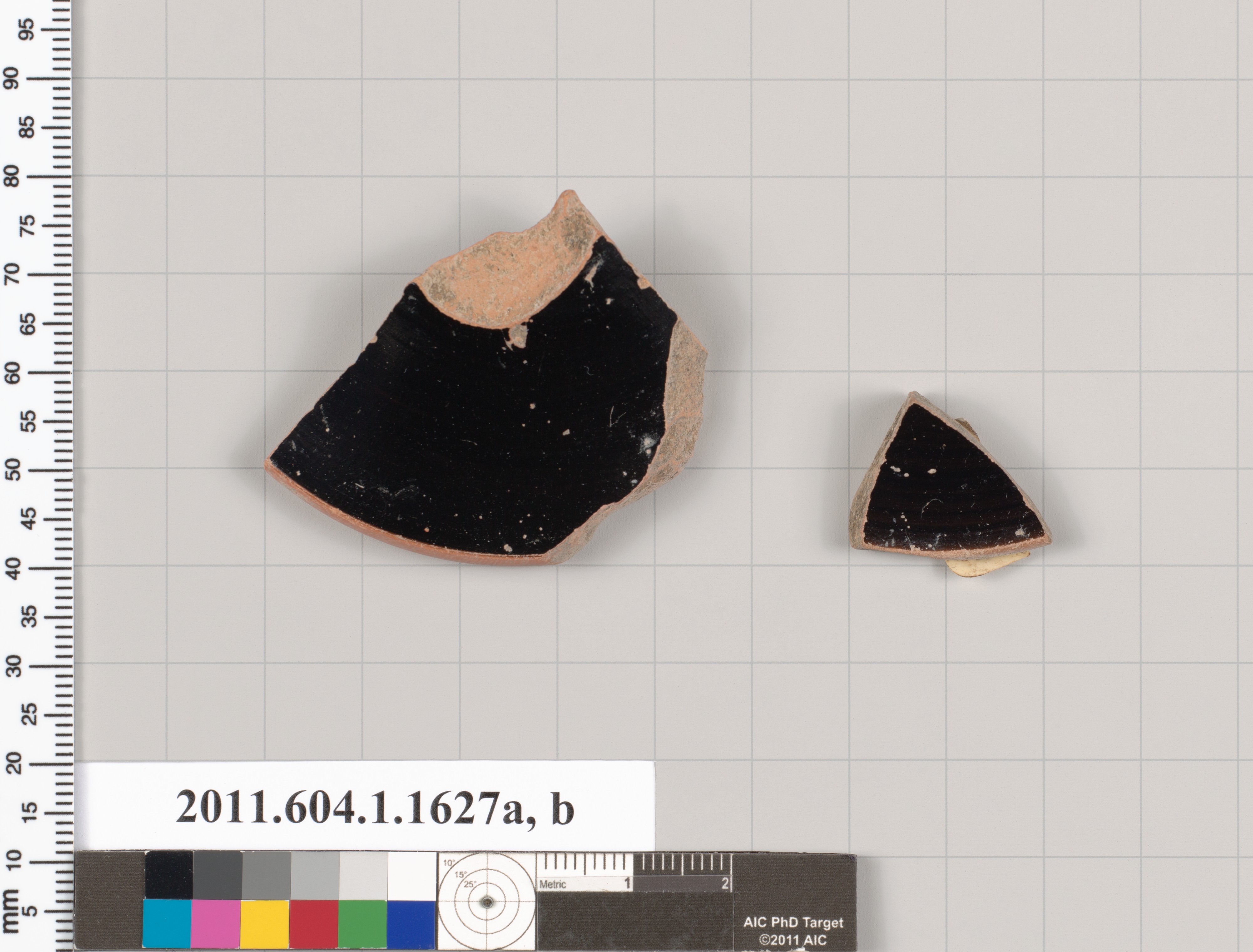
We do not encounter these kylikes in a pristine state, but as fragments. This fracture is not a loss but a key text. The broken edge, the faded glaze, the partial preservation of a painted scene (a departing warrior, a symposiast)—these elements speak of a life lived, of time’s passage, and of a beauty that incorporates history and accident. This directly challenges the sterile, "brand-new" perfection often associated with luxury. For 2026, the Old Money silhouette embraces a philosophy of the curated fragment. This manifests not in literal distress, but in sophisticated asymmetry: a jacket where the weave of the heritage-black wool is deliberately slightly looser on one panel, recalling a faded fresco; a column dress constructed from panels of the same cashmere but with varying finishes—one brushed, one smooth—suggesting a palimpsest. The silhouette may incorporate a deliberate "non-finito" line, where the hem of a skirt or the edge of a coat appears softly worn, not frayed, but gently eroded by time, as if part of a larger, continuous narrative. The color "Heritage-Black" itself evolves—not a flat void, but a depth containing hints of terracotta oxide, the grey of ash, the sheen of aged glaze.
From Symposium to Salon: The Silhouette of Democratic Ritual
The kylix was central to the Greek symposium, a ritualized gathering that blended poetry, politics, and philosophy. Its form was democratic—each participant held an identical vessel—yet the painted scenes upon it could provoke unique, personal reflection. This duality is critical. The 2026 Old Money silhouette, informed by this artifact, rejects ostentatious individualism in favor of a uniformity of exquisite quality, differentiated by personal history. The foundational pieces—a perfectly calibrated wool trouser, a structured yet supple velvet blazer, a silk georgette blouse—achieve a kylix-like uniformity in their impeccable, understated form. They are the "uniform" of a modern, intellectual salon. The personalization, the "painted scene," comes from the patina of wear, the intellectual weight of the wearer, and the subtle, perhaps mended, imperfections earned through experience. The silhouette thus communicates belonging to an informal guild defined not by wealth alone, but by taste, intellect, and the quiet evidence of a life engaged with culture.
Ultimately, the terracotta fragments of the kylikes teach us that true, enduring style is a vessel shaped by human ritual, marked by the honorable scars of time, and dedicated to the communion of ideas. For Lauren Fashion’s 2026 Old Money expression, this means silhouettes that are archaeologically soft yet architecturally sound. They are built for the modern symposium—the gallery opening, the literary dinner, the boardroom that values wisdom over noise. They carry the fragment’s poetry, embracing asymmetry and patina as testaments to authenticity. They are, like the kylix itself, designed not to be merely seen, but to be used—to facilitate the graceful, intelligent, and deeply human rituals that constitute a meaningful life. In this way, the Old Money of 2026 is not an inheritance of capital, but an inheritance of cultural and somatic intelligence, excavated from the fragments of history and meticulously rewoven for the conversations of tomorrow.