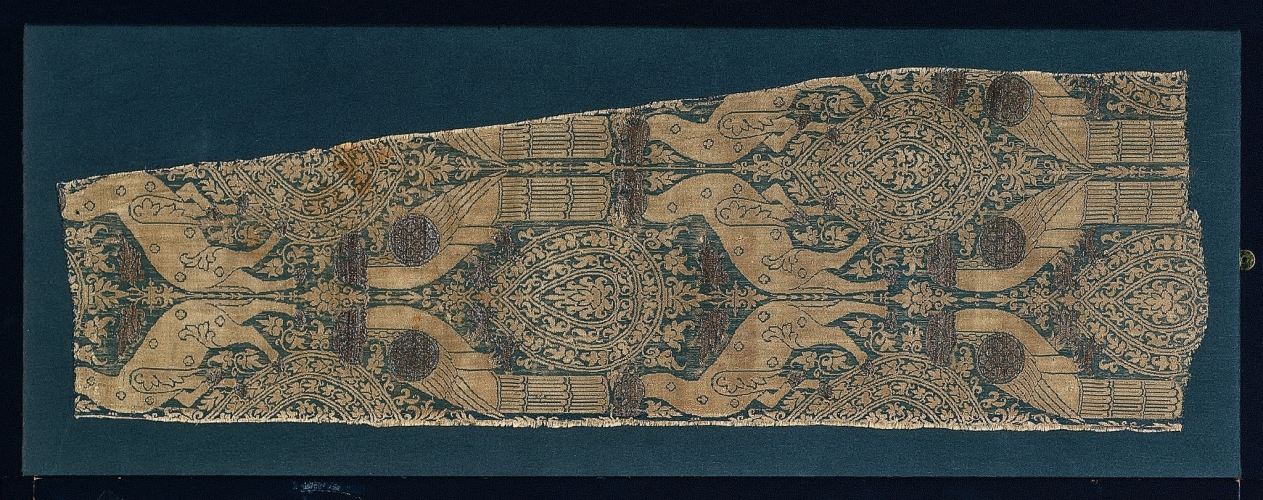
The Gilded Menagerie: Parrots, Animals, and the Imperial Legacy of Silk
Introduction: The Thread of Empire
In the hushed, wood-panelled ateliers of Savile Row, where the cut of a jacket is a matter of national honour and the drape of a lapel a silent declaration of pedigree, one rarely pauses to consider the provenance of the cloth itself. Yet the very silk that falls from a bolt in a Mayfair workroom carries with it a weight of history far heavier than its gossamer threads. This heritage research artifact examines the intersection of two potent signifiers—the exotic animal, particularly the parrot, and the materiality of imperial silk—to uncover how a single textile encoded the ambitions, anxieties, and aesthetic hierarchies of a global empire. The legacy of imperial silk weaving is not merely a story of looms and mulberry leaves; it is a narrative of conquest, botanical theft, and the relentless translation of the natural world into a language of luxury.
The Material Imperative: Silk as Sovereign Currency
To understand the parrot’s place in silk, one must first grasp silk’s place in empire. By the eighteenth and nineteenth centuries, silk was not a fabric but a geopolitical instrument. The British East India Company, having wrested control of Bengal’s raw silk trade from Mughal hands, transformed the material into a cornerstone of mercantile power. Imperial silk weaving, particularly in the Spitalfields workshops of London and the grand manufactories of Lyons, was a state-sponsored theatre of refinement. The loom was a machine of statecraft, and every yard of damask or brocade was a diplomatic dispatch woven in thread. The materiality of silk—its lustre, its tensile strength, its capacity to absorb the most brilliant dyes—made it the ideal medium for depicting the vivid plumage of a macaw or the sinuous form of a leopard. Unlike wool or linen, silk could hold a gradient of colour with photographic precision, allowing the weaver to render the iridescent green of a parrot’s wing or the amber eye of a tiger with an almost unsettling verisimilitude.
This was no accident. The imperial gaze demanded fidelity. A gentleman’s waistcoat, embroidered with a scarlet macaw perched upon a branch of a Chinese peony, was not merely decorative. It was a claim to knowledge—a demonstration that the wearer had mastered the taxonomy of distant colonies, that the chaos of the jungle had been subdued into a symmetrical pattern, and that nature itself could be commodified and worn upon the chest. The silk industry, in this sense, was the empire’s unconscious, recording in its weft the fantasies of dominion that the military and mercantile classes dared not speak aloud.
The Parrot as Imperial Signifier
Why the parrot, specifically? In the iconography of imperial silk, the parrot occupies a singular and paradoxical position. Unlike the lion or the eagle, which were heraldic and European, the parrot was unapologetically foreign. It was a creature of the tropics—of Brazil, of the Congo, of the Indian subcontinent—and its presence on a silk ground announced a global reach. The parrot was also a mimic, a creature that could speak human language without understanding it. This made it a perfect metaphor for the colonial enterprise itself: the empire could absorb and replicate the exotic without ever truly comprehending its essence. On a silk panel, the parrot is often depicted in a state of arrested motion—wing half-raised, beak slightly open as if mid-sentence. This frozen verbosity is a subtle assertion of control. The parrot’s voice is silenced, its flight halted, its brilliance pinned to a textile like a lepidopterist’s specimen.
Moreover, the parrot’s plumage offered a chromatic challenge that silk weavers relished. The development of aniline dyes in the mid-nineteenth century, themselves a byproduct of imperial chemical research, allowed for the reproduction of the parrot’s impossible blues and yellows. A silk shawl from the 1860s, woven in Paisley or Norwich, might feature a central medallion of a green parrot surrounded by a border of tigers and elephants, all rendered in a palette that would have been unthinkable a generation earlier. This was not mere ornament; it was a demonstration of technological mastery. The parrot, in essence, became a test pattern for the empire’s industrial prowess.
Beyond the Parrot: The Broader Menagerie
Yet the parrot was never alone. The imperial silk menagerie was a crowded aviary and zoo. The tiger, the elephant, the cobra, and the monkey all made frequent appearances, each carrying its own symbolic freight. The tiger, in particular, was a double-edged emblem. On one hand, it represented the sublime danger of the Indian jungle, a force to be hunted and vanquished. On the other, it was the very symbol of the British Raj’s legitimacy—the tiger hunt being a ritual of masculine dominance that reinforced the colonial hierarchy. A silk wall hanging depicting a tiger’s death throes, its stripes rendered in black and gold thread, was a trophy in textile form, a permanent commemoration of a victory that was both literal and metaphorical.
The elephant, conversely, was a figure of burden and wisdom. On a silk waistcoat or a ceremonial robe, the elephant signified the weight of empire—the logistical miracle of moving armies and goods across vast distances. Its depiction was often more stylized, less naturalistic than the parrot’s, reflecting its role as a beast of service rather than a creature of wonder. The monkey, meanwhile, introduced a note of subversive humour. In many Mughal-influenced silk designs, monkeys are shown stealing fruit or teasing a sleeping tiger, a sly commentary on the fragility of order. The inclusion of such animals in imperial silk was not random; it was a curated bestiary that mirrored the empire’s own self-image—predatory, powerful, burdened, and occasionally self-aware.
The Weave of Legacy
The legacy of this imperial silk weaving is not confined to museum vitrines or the private collections of ducal families. It persists in the very grammar of modern luxury. When a contemporary Savile Row tailor selects a silk twill for a lining, or when a fashion house commissions a jacquard with a botanical motif, they are drawing upon a visual vocabulary established during the height of empire. The parrot, stripped of its colonial context, has become a generic signifier of exoticism, a shorthand for a kind of cosmopolitan glamour. Yet the materiality of silk remains stubbornly resistant to this amnesia. The thread itself remembers the mulberry groves of Bengal, the dye vats of Lyons, and the hands of anonymous weavers who spent their lives rendering the empire’s animals in shimmering detail.
In the end, the parrot on a piece of imperial silk is not merely a bird. It is a document. It records a moment when the world was being redrawn, when nature was being catalogued and commodified, and when a single bolt of fabric could contain the entire drama of conquest and display. To handle such a textile is to touch the pulse of history. And for the discerning client who understands this, a silk jacket is never just a garment. It is a wearable archive, a testament to the enduring power of thread to carry meaning across centuries. The legacy of imperial silk weaving is thus not a relic but a living language—one that continues to speak, in every shimmering fold, of the animals we have conquered and the worlds we have woven.