The Fragment and the Whole: Terracotta, Temporality, and the 2026 Silhouette
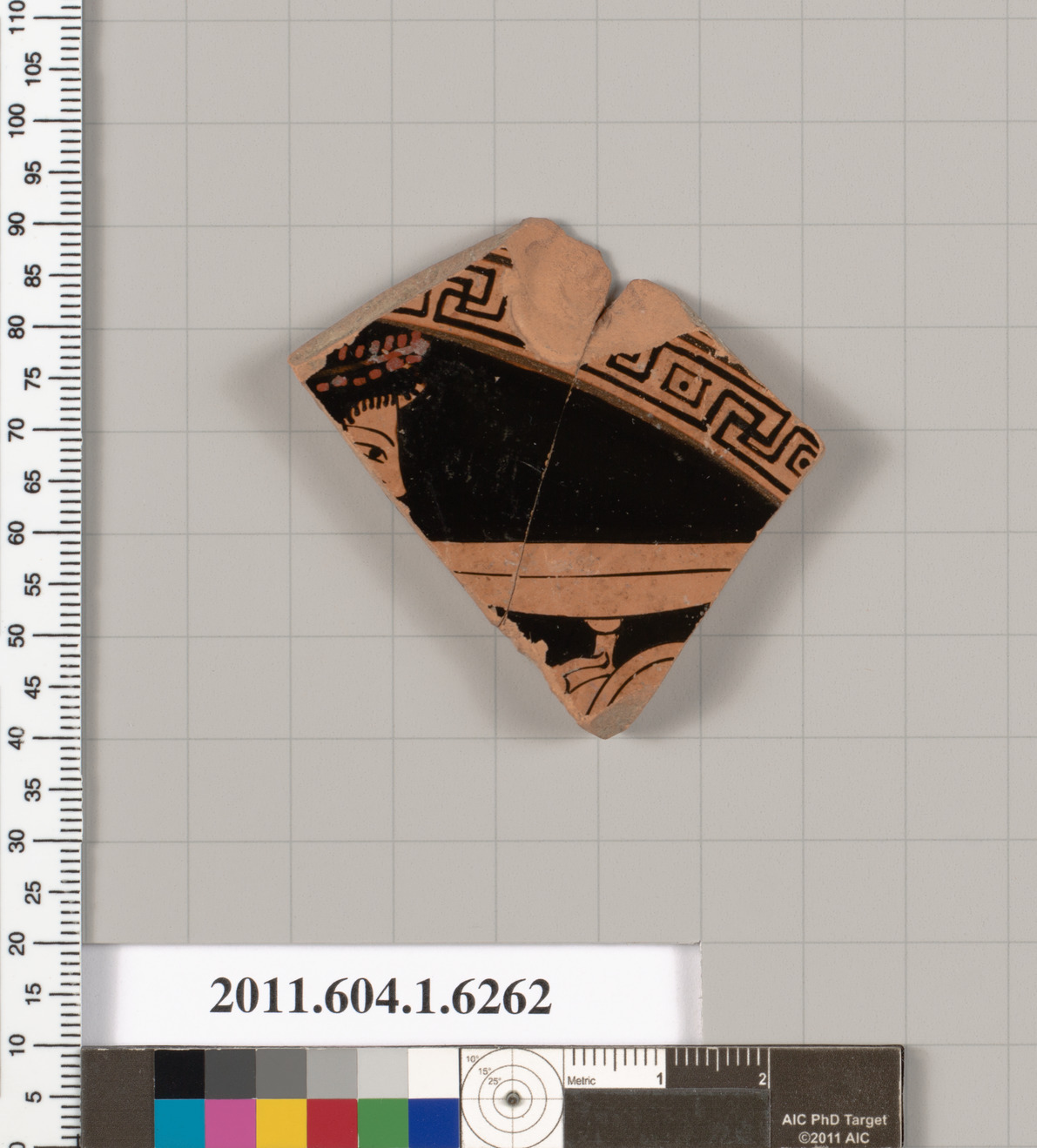
The Lauren Fashion Heritage Lab’s internal genetic code posits a foundational dialogue between Western and Eastern aesthetics, framed through the lens of the “container.” It contrasts the dramatic, interrogative containment of fate in Ingres’s Oedipus and the Sphinx with the harmonious, contemplative containment of the cosmos in a Ming dynasty blue-and-white plate. This dialectic between the explicit, heroic fragment (a narrative moment) and the implicit, cyclical whole (a microcosm) provides the critical framework for examining a seemingly humble museum artifact: a terracotta fragment of an Attic kylix. This shattered drinking cup, far from being a mere archaeological relic, emerges as a profound philosophical and aesthetic cipher. It informs the 2026 Old Money silhouette not through literal revival, but by embodying a new, resonant synthesis of the Lab’s core principles—one that navigates the tension between the fragmentary nature of modern identity and a yearning for timeless, embodied wholeness.
The Kylix Fragment: Aesthetics of the Authored Trace
The terracotta fragment is inherently a double artifact. First, it is a vestige of a complete, functional object—a kylix used in the Athenian symposium, a vessel for wine and intellectual exchange. Second, in its fractured state, it becomes something else entirely: a testament to time’s passage, bearing the physical marks of breakage, erosion, and survival. Its surface, once smooth and painted, now reveals the granular, porous texture of the fired clay itself. The sharp, irregular edge where it sheared from the whole cup speaks of a violent, specific history, yet the soft wear on its broken rim suggests the gentle, anonymous caress of centuries. This fragment operates within the “questioning” Western mode identified in our genetic code. Like Oedipus confronting the Sphinx, we confront this fragment as a puzzle; it demands forensic and historical interrogation. Its beauty is not in serene completion but in the eloquence of its incompleteness, its narrative of loss and partial preservation. It is a container, not of wine, but of time’s relentless linear causality.
From Archeological Cipher to Sartorial Principle
The 2026 Old Money silhouette, as informed by this artifact, moves beyond the mere signifiers of inherited wealth (tweed, pearls, logo-less luxury) into a more philosophical realm of authored patina and intentional integrity. The kylix fragment teaches us that true heritage is not a pristine, untouchable heirloom, but an object imbued with the visible, tactile narrative of its existence. This translates sartorially into a departure from flawless, off-the-rack perfection.
The Silhouette’s Foundation: Architectonic Drapery
The kylix was a shaped vessel, its form following a sacred geometry of bowl, stem, and foot. The 2026 silhouette embraces this architectonic principle through structured yet fluid drapery. Imagine a wool-cashmere blend coat where the tailoring is precise in the shoulders and collar (the “stem”), but the body flows into softer, asymmetrical folds (the “bowl”), as if shaped by use over time. Seams are not hidden but treated as aesthetic features, like the cracks in the terracotta, emphasizing the construction of the garment as an assembled whole. The silhouette favors a grounded, columnar elegance—wide-leg, high-waisted trousers in heritage-black wool that fall like a ceramic cylinder, or an A-line skirt cut from a single panel of matte jersey, its hemline slightly, intentionally uneven, echoing a fragment’s edge.
Texture as Narrative: The Primacy of the Material
The fragment’s most compelling feature is the exposed body of the clay, no longer just a canvas for paint but the substantive story itself. For 2026, this mandates a materials philosophy where the inherent character of the fabric is the primary ornament. This means celebrating the “terracotta” state of textiles: the nubbly, irregular weave of a raw linen, the subtle slub of a heritage silk noil, the dense, felt-like hand of an undyed wool. These materials age beautifully, developing a personal patina. A jacket in a rugged, undyed hemp-silk blend will soften and lighten at the edges, recording the wearer’s journey as the fragment records its archaeological history. The color palette draws directly from the artifact: shades of fired clay (ochre, terracotta, brick), oxidized black, and the pale, chalky hue of sun-bleached pottery, with Heritage-Black serving as the foundational, unifying “earth” from which these tones emerge.
The Complete Fragment: A New Wholeness
Here, the Lauren Lab’s synthesis occurs. The kylix fragment represents the Western “dramatic moment” of fracture. The Ming plate represents the Eastern ideal of serene, cyclical completeness. The 2026 silhouette seeks a third path: the complete fragment. A garment is designed as a self-contained, perfect universe (the Ming plate’s cosmology), but one that incorporates the aesthetic language of erosion, asymmetry, and trace. A cashmere tunic might be woven with an integrated, abstract jacquard pattern that fades in and out, like a worn painted scene on pottery. A dress’s seam might be finished with a deliberate, artful fray, not as deconstruction, but as an acknowledgment of the beauty in a process—a controlled, elegant erosion. The silhouette is whole and fully resolved, yet it speaks the visual language of time’s passage. It does not look ruined; it looks lived-in by history.
Conclusion: The Vessel Re-formed
The terracotta kylix fragment, therefore, informs the 2026 Old Money silhouette as a master metaphor for contemporary heritage. It shifts the paradigm from displaying wealth to displaying temporal intelligence and material authenticity. The new Lauren silhouette is a vessel for the modern body, consciously designed as a future heirloom. It embraces the Ingres-like drama of individual history (the unique wear, the personal patina) while aspiring to the Ming plate’s sense of harmonious, enduring form. It answers the genetic code’s call by proving that the most profound elegance lies not in resisting time, but in designing for its graceful incorporation. The fragment becomes whole again, not through restoration, but through the philosophical re-formation of the container itself. In 2026, Old Money is not what you possess, but how eloquently what you wear possesses its own story.