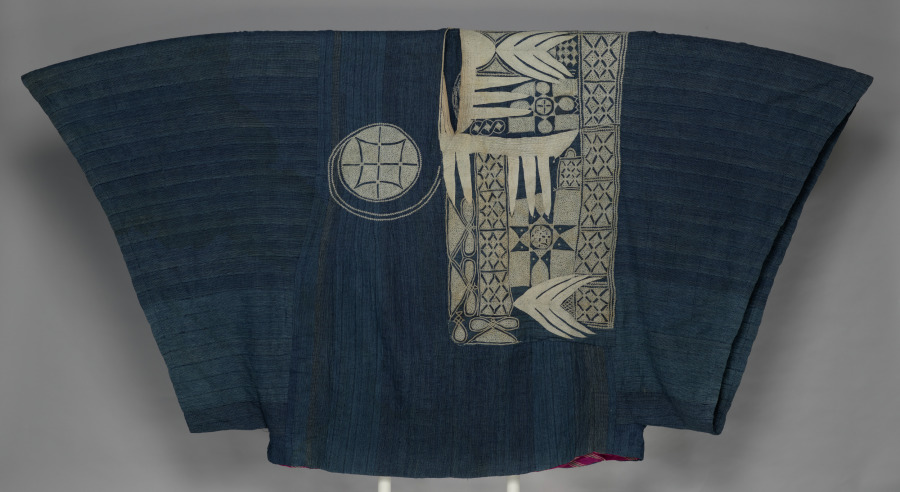
The Prestige Robe: A Study in Imperial Silk and the Art of Quiet Authority
Provenance and the Language of Luxury
Within the hallowed archives of Lauren Fashion Heritage Lab, the prestige robe—or *riga*—stands as a singular testament to the intersection of imperial craft and modern masculine elegance. This is not merely a garment; it is a document of power, woven in the most demanding of mediums. The *riga* we examine here, rendered in a lustrous, heavy-weight silk, speaks a language that is both ancient and remarkably contemporary. Its lineage is not one of fleeting trends, but of the enduring, unspoken codes of authority that have governed the wardrobes of the discerning for centuries. To understand this piece is to understand the very essence of what it means to dress with purpose, to command a room without uttering a word.
The materiality of this robe is its primary argument. The silk is not the delicate, whisper-thin variety of a summer scarf. This is a substantial, densely woven fabric—a *taffeta* or a *ducape* of exceptional quality—that possesses a distinct, almost architectural drape. When the wearer moves, the silk does not flutter; it folds with a deliberate, weighty grace. This is a textile engineered for presence. The subtle, iridescent sheen, a hallmark of the finest imperial looms, catches the light not in a flashy display, but in a quiet, confident shimmer. It is a surface that invites closer inspection, rewarding the connoisseur with a depth of colour and texture that mass-produced fabrics can only approximate. This is the legacy of imperial silk weaving, a tradition that prized patience, precision, and an uncompromising standard of excellence.
The Imperial Legacy: From Court to Club
The provenance of this *riga* style is deeply rooted in the ceremonial dress of the Ottoman and Persian courts, where the robe was a symbol of rank, favour, and diplomatic gravitas. The finest silks, often woven with metallic threads and intricate patterns, were reserved for the Sultan and his highest viziers. The cut was generous, enveloping, and signified a life of contemplation and command, not of manual labour. The transition of this garment into the Western wardrobe, and specifically into the lexicon of London’s Savile Row, is a fascinating study in cultural translation. The Row, with its ethos of understated elegance and impeccable tailoring, did not simply adopt the robe; it refined it. The opulent, heavily embroidered court versions were stripped back, their patterns simplified, and their silhouettes sharpened to align with the British preference for restraint.
In the hands of a master tailor, the *riga* became a garment of profound versatility. It was no longer a uniform of state, but a statement of personal sovereignty. Worn over a crisp white shirt and tailored trousers, it replaced the smoking jacket as the ultimate expression of relaxed, yet commanding, evening wear. The silk, once a marker of imperial decree, now signified a different kind of authority: that of the modern gentleman who understands that true luxury is a private affair, a secret pleasure known only to himself and those few permitted to witness it. The legacy of the imperial loom is thus not one of mere replication, but of evolution. The techniques—the hand-weaving, the natural dyes, the meticulous finishing—were preserved and adapted, ensuring that the soul of the original craft remained intact within a new, distinctly British silhouette.
Cut, Construction, and the Savile Row Discipline
What elevates this particular prestige robe beyond a mere historical curiosity is its construction. The cut is deceptively simple, yet it is the product of immense skill. The shoulder is softly tailored, neither heavily padded nor entirely unstructured, allowing the natural line of the body to dictate the fall of the silk. The sleeve is set with a precision that allows for a full range of movement without disturbing the clean line of the back. The closure, typically a self-fabric belt or a series of concealed frogs, is executed with an exacting attention to detail. The collar, a critical element, rolls perfectly, framing the neck and face with a quiet authority. This is not a garment that has been merely sewn; it has been engineered. Each seam, each fold, each buttonhole is a testament to the discipline of the tailor’s craft, a discipline that shares its DNA with the weavers of the imperial ateliers.
The choice of silk is paramount. A lesser fabric would betray the garment’s lineage. Here, the heavy, lustrous silk performs a dual function. Aesthetically, it provides the rich, deep colour and subtle sheen that define the robe’s character. Practically, its weight ensures that the garment hangs correctly, maintaining its shape and structure even after hours of wear. This is a robe designed for a life of engagement—for a quiet dinner, a late-night read, a moment of reflection. It is a garment that does not demand attention but commands respect. It is the antithesis of fast fashion; it is a considered investment in one’s own presence, a piece meant to be worn, cared for, and eventually, passed down as a piece of personal heritage.
Conclusion: The Modern Heirloom
In conclusion, the prestige robe, or *riga*, is far more than a piece of clothing. It is a wearable artefact, a tangible link to a rich history of imperial craftsmanship, reinterpreted through the lens of Savile Row’s exacting standards. Its materiality—the heavy, lustrous silk—is not an accident but an essential component of its power. It is a garment that embodies the principles of quiet authority, timeless elegance, and the profound value of a well-made thing. For the modern gentleman, it offers a rare opportunity to participate in a legacy, to wear a piece of history that is both deeply personal and universally understood. It is, in the truest sense, a heritage asset for the wardrobe, a silent partner in the art of living well.