← BACK TO ARCHIVES
Heritage-Black
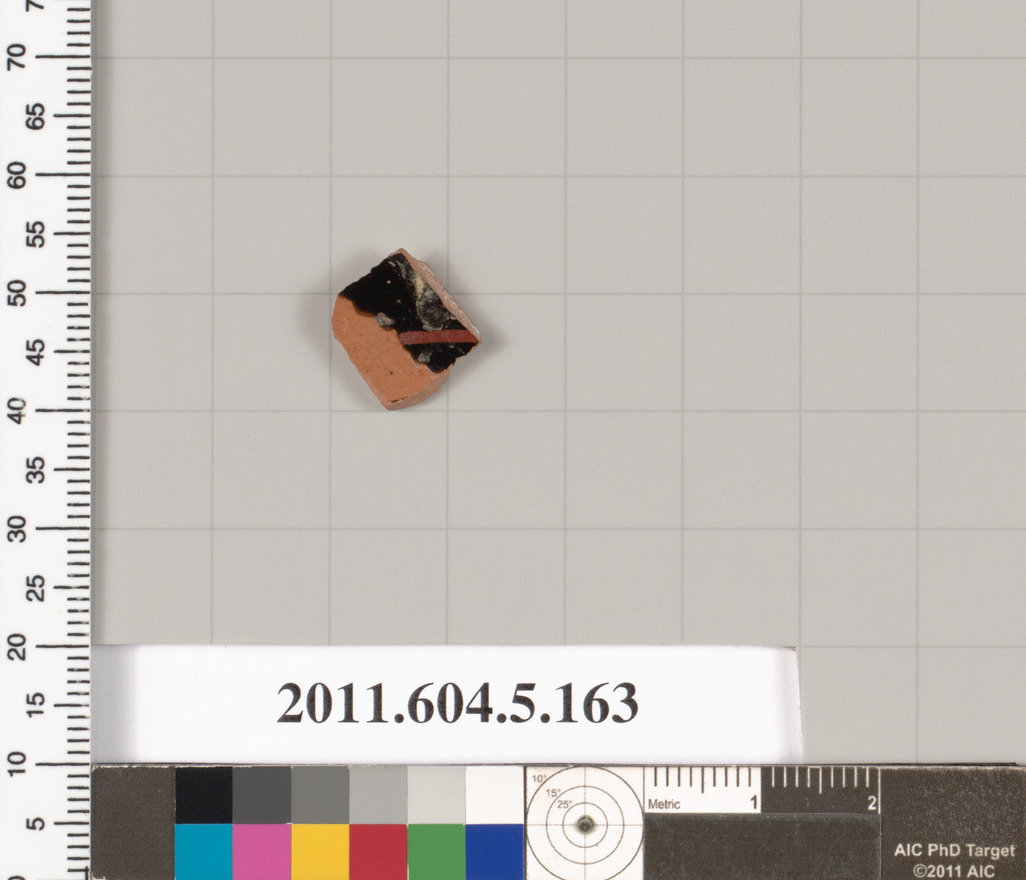
Heritage Synthesis: Terracotta fragment of a kylix (drinking cup)
Curated on Aug 30, 2026 // Node: LDN-01
The Terracotta Kylix and the Architecture of Restraint: Reimagining Old Money Silhouettes for 2026
The internal genetic code of Lauren Fashion—that dialectical tension between Socratic transcendence and Song-dynasty immanence—finds an unexpected, yet profoundly apt, material interlocutor in the terracotta fragment of an Attic kylix. This shard of a drinking cup, broken but resonant, is not merely an archaeological relic; it is a philosophical blueprint. It speaks to a moment in Western civilization when the symposium—a ritualized space of dialogue, wine, and shared intellect—demanded an object of perfect, unadorned utility. The kylix, with its shallow bowl, two horizontal handles, and elevated stem, was designed for the reclining elite, a vessel meant to be held, passed, and drained in a choreography of social grace. For the 2026 Old Money silhouette, this fragment offers a corrective to the excesses of contemporary luxury. It does not propose nostalgia, but rather a rigorous return to *propriety*—a word that shares its root with *property*, *appropriate*, and the Latin *proprius* (one’s own). The kylix teaches us that true heritage is not about accumulation, but about the disciplined editing of form until only the essential remains.
I. The Geometry of the Symposium: Proportion as Power
The kylix fragment, even in its broken state, reveals an uncompromising commitment to geometric harmony. The curve of the bowl is not arbitrary; it is a calculated arc designed to fit the palm, to balance the weight of wine, and to facilitate a graceful, one-handed gesture. This is the antithesis of the exaggerated, logo-heavy, or structurally gimmicked garments that have saturated the market. For 2026, the Old Money silhouette must adopt the kylix’s logic of *proportionate containment*. We are not speaking of a return to the stiff, corseted tailoring of the Edwardian era, but rather to a modern interpretation of the *chiton*—the simple, draped rectangle that preceded the kylix’s symposium—and the *himation* cloak. The new silhouette is defined by a shoulder line that is precise but not padded, a sleeve that follows the arm’s natural rotation, and a trouser that breaks cleanly over the shoe without pooling. The power here is not in the volume of fabric, but in the *negative space* between the body and the cloth. This is the “vase with waves” principle translated into tailoring: the body is the vessel, and the garment is the glaze—applied with even, unbroken tension. A double-breasted jacket in a dense, undyed wool, with a lapel that narrows to a precise point, echoes the kylix’s stem: it lifts the torso, creating a line of verticality that is both grounded and aspirational.
II. The Patina of Use: Materiality as Moral Statement
The terracotta of the kylix is not a precious material; it is common clay, fired to a warm, earthen red-orange. Its value derives not from rarity, but from its *fidelity to function* and the *patina of use* it acquires over decades of symposia. The scratches, the chips, the subtle darkening from wine—these are not flaws; they are a biography. This is a direct challenge to the 2026 luxury market’s obsession with pristine, unblemished surfaces and “newness.” The Old Money silhouette, informed by this artifact, must embrace a material philosophy of *honest aging*. This means a preference for fabrics that develop character: a heavyweight Irish linen that softens and creases beautifully; a pure cashmere that pills slightly, indicating its natural fiber; a full-grain leather that darkens with handling. The color palette should be drawn from the earth of the kylix itself: burnt sienna, deep umber, attic black, and the pale, chalky white of the slip used for decoration. These are not “trend” colors; they are foundational tones that recede, allowing the wearer’s presence to dominate. In this context, a garment is not a disposable statement but a long-term investment in one’s own narrative. The “Heritage-Black” category is crucial here: it is not the black of mourning or rebellion, but the black of the kylix’s painted figures—a black that absorbs light, creating a flat, authoritative plane that does not reflect but *contains*.
III. The Silent Dialogue: From Dionysian Ritual to Quiet Confidence
The kylix was used in the *symposion*, a ritual that was both hedonistic and intellectual, dedicated to Dionysus yet governed by strict rules of decorum. The most famous kylix paintings often depict the moment of *kottabos*—flicking wine dregs at a target—or scenes from mythology, yet the vessel itself remained a symbol of *sophrosyne* (moderation). This duality is the key to the 2026 Old Money aesthetic. It is not austere; it is *restrained*. The silhouette must allow for ease of movement—a fluid drape in a woman’s column dress, a soft, unstructured shoulder in a man’s overcoat—but it must never appear sloppy. The internal tension, the “裂隙” (fissure) described in our genetic code, is between the desire for comfort and the discipline of form. The kylix’s two handles are a metaphor for this balance: they invite the hand, but they also demand a specific grip. Similarly, the new silhouette uses subtle architectural details—a hidden placket, a reinforced collar, a perfectly aligned stripe—to guide the eye and the body without shouting. This is the “silent song” of the Song vase: the garment does not tell a story; it *is* the story of its own making. The wearer, like the philosopher in the painting, points not to the heavens, but to their own grounded, self-possessed existence.
IV. The Fragment as a Whole: A Conclusion on Inheritance
The terracotta fragment is incomplete, yet it is more powerful than a perfect replica. It forces the viewer to imagine the whole, to participate in the act of reconstruction. This is the ultimate lesson for the 2026 Old Money silhouette. It must not be a costume or a historical reenactment. It must be a *fragment* of a larger, coherent worldview—one that values intellectual rigor, material honesty, and the quiet confidence of belonging. The new garments will be cut with a sense of *finality*, as if they have been carved from a single block of intention. The seams will be finished with the care of a potter’s trim, the buttons will be made of natural materials like corozo or horn, echoing the organic origins of the clay. The silhouette will be long, lean, and unbroken, from the shoulder to the hem, mimicking the uninterrupted profile of the kylix when viewed from the side. In this design philosophy, we do not flee from the Socratic drama of death, nor do we hide in the silent contemplation of the vase. Instead, we hold the cup, feel its weight, and acknowledge that true elegance is the ability to drink deeply from the present moment without spilling a drop. This is the inheritance of the fragment: not a blueprint for the past, but a foundation for a future built on the enduring power of less.
Heritage Lab Insight
Genetic Bridge: Archive node focusing on Heritage-Black craftsmanship.