Fragmented Perfection: The Attic Kylix and the 2026 Silhouette of Cultivated Restraint
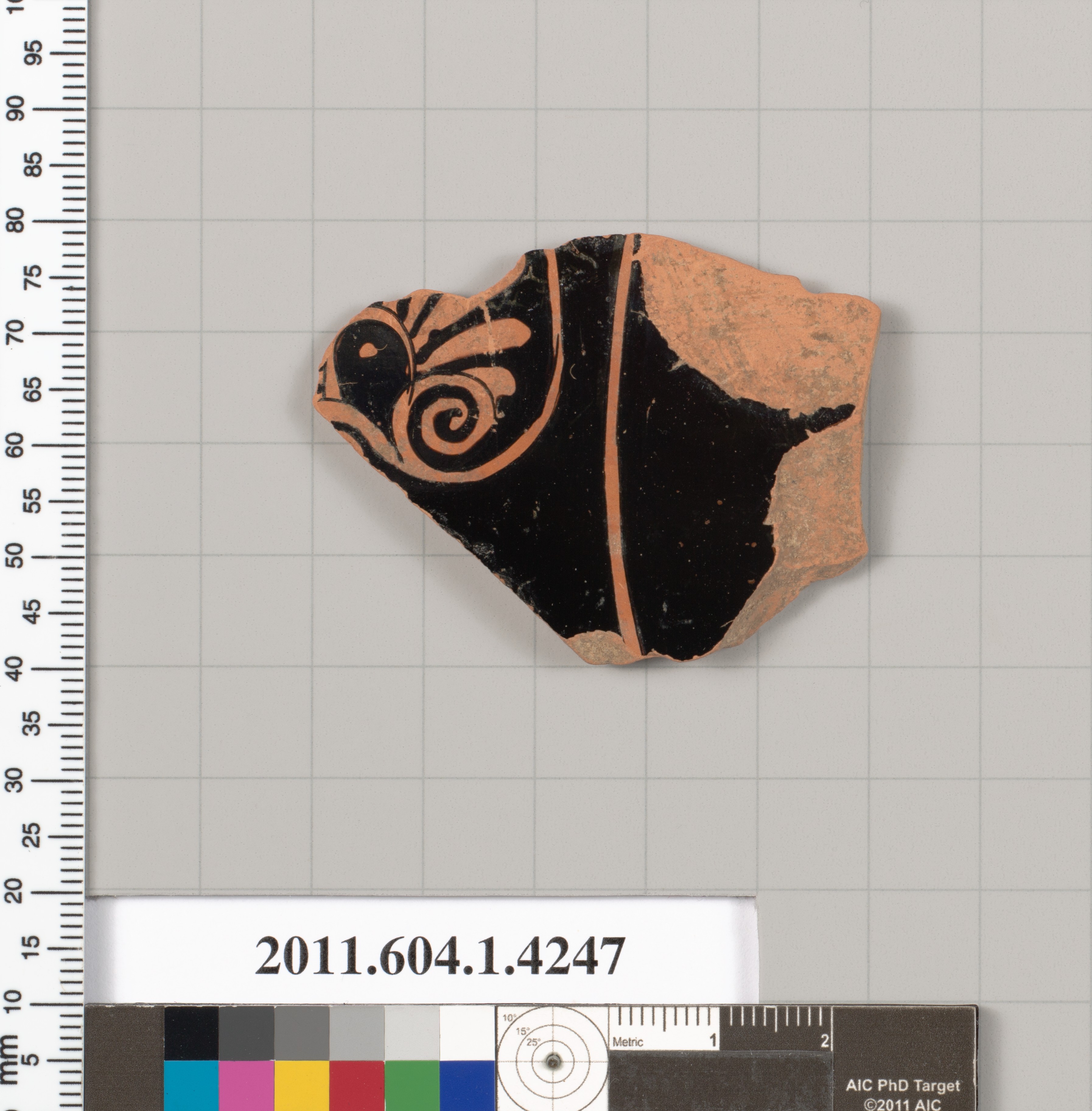
The 2026 sartorial landscape, particularly within the nuanced realm of "Old Money" aesthetics, is poised for a profound evolution. Moving beyond mere signifiers of wealth, it seeks a deeper grammar of elegance—one rooted in intellectual heritage, cultivated restraint, and a dialogue with time itself. In this pursuit, an unassuming artifact, a terracotta fragment of an Attic kylix
The power of the kylix fragment lies in its state of being. It is a partial truth, a suggestion of a former whole. The scene—perhaps a symposiast reclining, a deity in motion, or a mythical encounter—is interrupted by the ravages of time. Yet, this very interruption creates a new, more potent aesthetic. The viewer is compelled to engage, to mentally reconstruct the missing arcs of the figure, to complete the implied line. This dialectic between presence and absence is the cornerstone of the emerging 2026 Old Money silhouette. It rejects overt, declarative fashion in favor of suggestion. A coat’s lapel may curve in a way that hints at a vanished military frock coat, but never replicates it. The drape of a trouser may suggest the flow of a chiton only through the abstraction of its line, not through literal mimicry. The silhouette becomes a fragment of a broader historical and cultural narrative, inviting the discerning eye to complete its story. Despite its fractured state, the terracotta fragment retains an undeniable structural clarity. The kylix itself was an object of precise, ergonomic design—a shallow, wide-bowled cup with horizontal handles, engineered for the specific social ritual of the symposium. Its fragments often reveal the confident, essential lines that defined the original composition. This translates sartorially into a renewed emphasis on architectural cut and the integrity of a single, unbroken line. The 2026 Old Money silhouette will favor garments that are constructed, not merely assembled. Think of a woolen overcoat where the shoulder seam flows seamlessly into the sleeve, creating a clean, sculptural silhouette reminiscent of the unbroken curve of the kylix bowl. Darts and seams will be minimized or strategically placed to serve the overall geometry of the garment, much like the painted lines on the vase served to define form within a constrained space. The material—whether heritage-black wool, cashmere, or a matte technical fabric—will be chosen for its ability to hold this precise, quiet shape, speaking of quality through form, not logo. The fragment’s color and surface are equally instructive. The terracotta’s burnt sienna ground, faded black slip, and the subtle, time-worn texture of its surface constitute a palette of patina. This is not the brash shine of the new, but the soft, complex glow of an object that has been touched by history and use. For 2026, this directly informs a move away from stark, sterile neutrals and toward a spectrum of lived-in hues: deep, smoky charcoals that absorb light; earthy, muted browns that recall aged leather and parchment; and soft, chalky whites that mimic weathered marble. These colors possess a depth and quiet authority. In silhouette, this means monochromatic or tonal dressing that emphasizes texture and subtle variation over contrast—a single, elongated column of "heritage-black" whose richness is revealed in the nuanced differences between a matte crepe bodice and a soft wool crepe skirt. The finish is everything: matte, brushed, or lightly napped surfaces that drink the light, creating a soft focus effect that is both intimate and imposing. Finally, the kylix fragment embodies a specific, cultivated narrative. It was part of a ritual object, used in an elite social and intellectual gathering. Its decoration, even in fragments, speaks of mythology, poetry, and civic identity. The 2026 Old Money silhouette, informed by this, becomes a composed narrative of the self. It is not about displaying wealth, but about displaying a cultivated mind and a connection to a continuum of culture. The silhouette will be deliberately edited, composed of perhaps two impeccable pieces rather than a busy ensemble. A single, statement accessory—a brooch inspired by a Greek key pattern rendered in dull gold, a bag with the structural purity of a ceramic vessel—acts as the "figural decoration" on an otherwise serene canvas. The goal is to project an aura of self-possession and intellectual heritage, where the clothing forms a serene, fragmented vessel hinting at the rich inner life of its wearer. In conclusion, the terracotta fragment of the Attic kylix teaches that true, enduring elegance lies in structural honesty, the poetry of implication, and the beauty of selective erosion. For 2026, the Old Money silhouette will be less a uniform and more a carefully curated fragment—a silent, powerful testament to a world of knowledge, restraint, and timeless form. It is the art of dressing as archaeology, where every line, texture, and subdued hue whispers a fragment of a greater, untold story.The Aesthetics of the Fragment: From Archaeological Poetics to Sartorial Syntax
Structural Purity and the Integrity of Line
The Patina of Time and the Palette of Cultivation
The Narrative of Restraint: Composing the Self