An Examination of Refinement: The Wen Zhengming Album Leaf as Sartorial Analogue
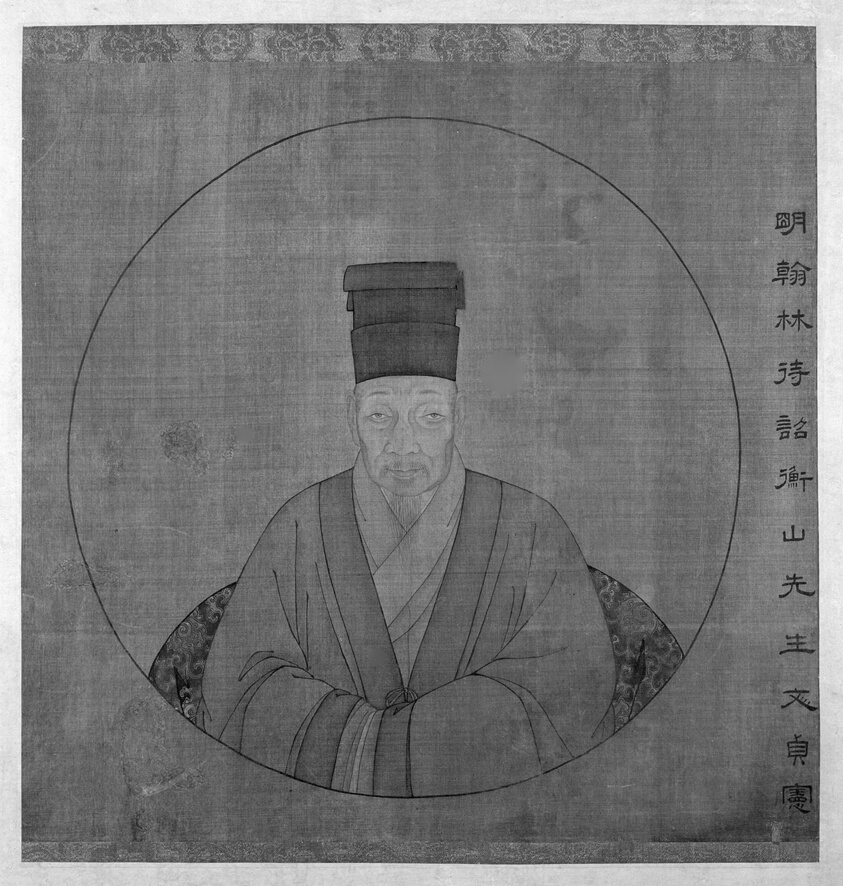
To consider the portrait of Wen Zhengming, rendered in ink and light colour upon silk, is to engage with an object of profound and quiet authority. It is not a mere depiction; it is a statement of personal and cultural tailoring, a bespoke articulation of identity as deliberate and precise as any garment cut within the hallowed precincts of Savile Row. The medium is not incidental—it is integral. Silk, that most noble of substrates, provides not only the surface but the very syntax of this visual discourse. Its presence dictates the terms of engagement, demanding from the artist a technique of unparalleled control and subtlety, much as the finest wool challis or vicuña demands respect from the cutter’s shears.
The Ground: A Foundation of Inherent Distinction
The selection of silk as the foundational ground is the first and most critical decision, analogous to the client’s choice of a cloth from the merchant’s book. This is not a support that tolerates indecision or correction. Each filament, each weave, possesses a memory and a will. The application of ink and water-based pigment to silk is an exercise in negotiated fluidity. The medium resists mere imposition; it must be courted. The resulting lines are not simply drawn but are born of a collaboration between disciplined brushwork and the material’s inherent capillary nature. This yields a stroke of exceptional clarity and yet softness—a paradox mirrored in the ideal gentleman’s attire, where structural precision (the canvassed chest, the suppressed waist) coexists with a sense of effortless, fluid drape.
The “light colour” noted is not mere tinting; it is the strategic application of tonality, the sartorial equivalent of a discreet silk-knit tie against a crisp white shirt, or a blush of paisley on a waistcoat lining. It provides depth without weight, accent without clamour. It respects the sovereignty of the ink line—the backbone of the composition, much as the silhouette is the backbone of a suit—while lending atmospheric volume and life. The silk, with its slight sheen, breathes beneath this treatment, catching the light in a manner that flat paper never could, suggesting the play of light on a finely woven gabardine.
The Cut: Line, Form, and the Architecture of Eminence
Wen Zhengming’s portrayal, likely executed by a skilled contemporary or disciple, is an exercise in psychological and social tailoring. The subject is not presented in imperial regalia or action-heroic pose, but in the cultivated repose of the scholar-gentleman. This is his uniform. The flowing robes, delineated by those confident, lyrical lines, are the Ming equivalent of a perfectly fitted morning coat: garments that signify a specific, rarefied role within the societal fabric. The drapery falls with an elegant, naturalistic rhythm, but this rhythm is meticulously constructed. Each fold is placed, each turn of the sleeve considered, to convey a specific attitude—one of learned grace and understated authority.
The artist’s brushwork performs the same function as the tailor’s needle: it defines form through suggestion and mastery of technique. A single, unbroken line might describe the sweep of a collar and the line of a shoulder, a feat of technical bravura disguised as simplicity. This is the visual corollary to the long, clean seam of a trouser leg or the seamless roll of a lapel—elements that appear inevitable, almost innate, yet are the product of decades of honed craft. The portrait’s composition, balanced and self-contained within the album leaf, reflects a similar ethos of considered proportion and quiet confidence.
Context: Craftsmanship as Cultural Legacy
The “fluid elegance” of the piece is not a vague aesthetic nicety; it is the direct outcome of a specific, revered craft tradition. The classic silk craftsmanship referenced is a pillar of cultural heritage, a continuous thread—literally and metaphorically—connecting the artist to generations of masters. This mirrors the unbroken lineage of a Savile Row establishment, where cutters learn not from manuals, but from the bench-side transmission of knowledge, from the handling of legacy patterns and the whispered adjustments for a particular client’s posture.
To create such a work required a mastery of the entire chain of production: the cultivation of the silkworm, the weaving of the ground, the preparation of inks and pigments from mineral and vegetable matter, and finally, the application through a lifetime’s disciplined practice. This holistic command is the mark of the true artisan, be they painting a landscape on silk or crafting a hunting jacket in tweed. The artifact, therefore, stands as a tangible node in a network of cultivated knowledge—a testament to a society that valued depth, subtlety, and the enduring statement over the transient flourish.
Conclusion: The Enduring Statement
The portrait of Wen Zhengming on silk is, in its essence, a consummate exercise in personal branding through supreme craftsmanship. It utilises a material of inherent luxury and challenge to articulate an identity of cultivated refinement. Every element, from the resistance of the silk to the dilution of the colour, speaks of a controlled environment where nothing is left to chance, yet everything appears effortless. It is the visual embodiment of an axiom understood by both the Ming scholar and the Savile Row artisan: true authority whispers. It resides in the perfection of the line, the rightness of the proportion, and the silent, confident dialogue between the creator, the material, and the enduring values they collectively represent. The album leaf is not a picture of a man; it is his tailored avatar, cut from the cloth of tradition and stitched with the needle of transcendent skill.