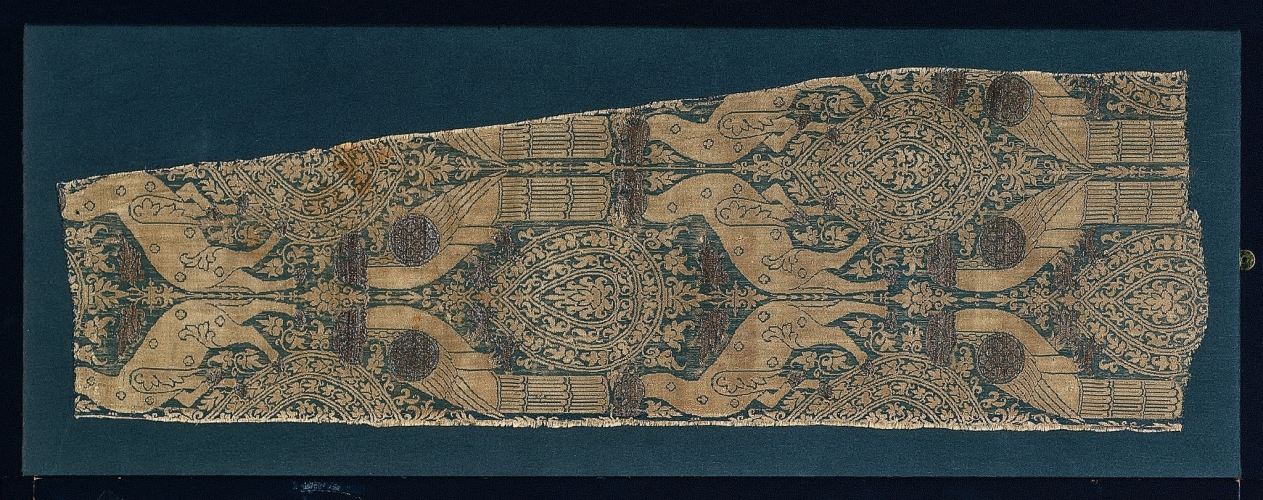
Parrots and Animals: A Heritage Research Artifact on the Legacy of Imperial Silk Weaving
Introduction: The Intersection of Nature and Nobility
In the hallowed corridors of London’s Savile Row, where bespoke tailoring meets centuries of craftsmanship, the legacy of imperial silk weaving emerges as a profound narrative of materiality and meaning. This heritage research artifact examines the motif of parrots and animals within the context of silk, a fabric that has long symbolized power, prestige, and artistic mastery. The parrot, with its vibrant plumage and exotic origins, became a recurring emblem in imperial silk designs, particularly during the Ming and Qing dynasties of China, where silk weaving reached its zenith. This paper explores how these motifs transcended mere decoration to embody cultural exchange, status, and the enduring allure of the natural world.
Materiality of Silk: A Foundation of Imperial Legacy
Silk is not merely a textile; it is a testament to human ingenuity and the pursuit of perfection. The materiality of silk—its lustrous sheen, supple drape, and remarkable tensile strength—renders it an ideal medium for intricate weaving. Imperial silk weaving, particularly under the Ming (1368–1644) and Qing (1644–1912) dynasties, elevated this fabric to an art form. The imperial workshops, such as the Nanjing and Suzhou looms, produced silks that were reserved for the emperor, his court, and diplomatic gifts. The material itself was a symbol of divine authority, with its production closely guarded as a state secret. The inclusion of parrots and animals in these silks was not arbitrary; it reflected a sophisticated understanding of symbolism and the natural hierarchy.
The parrot, in particular, was a favored motif due to its association with exoticism and intelligence. Imported from Southeast Asia and beyond, parrots were prized in imperial courts for their ability to mimic human speech, making them symbols of eloquence and wisdom. In silk weaving, the parrot’s vivid greens, reds, and blues were rendered through complex dyeing techniques, using natural pigments like indigo, madder, and safflower. The weaver’s skill in capturing the bird’s plumage required precise thread counts and meticulous pattern repeats, often achieved through kesi (tapestry weave) or jin (brocade) techniques. These methods allowed for the creation of lifelike representations that celebrated both the animal and the weaver’s artistry.
Symbolism of Parrots and Animals in Imperial Silk
Parrots and animals in imperial silk weaving served as visual metaphors for Confucian virtues, cosmic harmony, and imperial authority. The parrot, often paired with peonies or pomegranates, symbolized fidelity and prosperity. In Chinese culture, the parrot’s ability to speak was linked to the concept of ren (benevolence), as it could convey messages of goodwill. Similarly, animals like the dragon, phoenix, and qilin were reserved for the emperor and empress, representing power, rebirth, and righteousness. However, parrots and other exotic animals—such as elephants, lions, and deer—were used in silks for high-ranking officials and nobility, signifying their connection to the broader world and their role as custodians of nature.
The integration of these motifs into silk garments, such as dragon robes and court surcoats, was governed by strict sumptuary laws. For instance, a parrot motif might appear on a mandarin’s rank badge, indicating his role as a messenger or diplomat. The animal’s placement within the weave—often in circular medallions or scrolling vines—reflected the Daoist principle of yin and yang, where nature and humanity coexist in balance. This symbolic depth elevated silk from a functional fabric to a narrative medium, one that communicated the wearer’s status, intellect, and moral alignment.
Cultural Exchange and the Global Silk Trade
The legacy of imperial silk weaving with parrot and animal motifs is inextricably linked to the global silk trade, which connected China to Central Asia, the Middle East, and Europe via the Silk Road. By the 16th century, Portuguese and later British traders brought these silks to European courts, where they were coveted as luxury goods. The parrot motif, in particular, resonated with European audiences, who associated it with the New World and colonial exploration. In London, Savile Row tailors began incorporating Chinese silks into their bespoke garments, adapting the motifs to suit Western tastes while preserving their exotic allure.
This cultural exchange was not one-sided. European weavers, inspired by Chinese designs, began producing their own silks with parrot and animal motifs, using techniques like damask and brocatelle. However, the materiality of Chinese silk—its unmatched luster and durability—remained the gold standard. The legacy of imperial weaving thus became a benchmark for quality, influencing the development of the British silk industry in Spitalfields and Macclesfield. Today, heritage brands on Savile Row, such as Henry Poole & Co. and Gieves & Hawkes, continue to source silk from mills that honor these traditions, ensuring that the parrot and animal motifs endure as symbols of craftsmanship and cultural dialogue.
Preservation and Contemporary Relevance
The preservation of imperial silk weaving techniques is a matter of urgent heritage conservation. Museums like the Victoria and Albert Museum and the British Museum house collections of Ming and Qing silks, including rare examples of parrot and animal motifs. These artifacts provide invaluable insights into the technical and artistic achievements of imperial weavers. However, the knowledge required to replicate these silks is at risk of being lost. Initiatives such as the Lauren Fashion Heritage Lab aim to document and revive these techniques through digital archives and collaborations with master weavers in Suzhou and Hangzhou.
In contemporary fashion, the parrot and animal motifs have been reinterpreted by designers seeking to bridge tradition and modernity. For instance, the use of silk in bespoke suits, scarves, and eveningwear allows these motifs to transcend their imperial origins while retaining their material integrity. The parrot, once a symbol of imperial diplomacy, now represents global connectivity and environmental awareness. As the fashion industry grapples with sustainability, the legacy of silk weaving offers lessons in durability, artistry, and respect for natural materials.
Conclusion: A Living Legacy
The heritage of imperial silk weaving, embodied in the motifs of parrots and animals, is a testament to the enduring power of materiality and symbolism. Silk, as a fabric, carries within it the stories of emperors, weavers, and traders, each thread a record of human ambition and creativity. For Savile Row, this legacy is not a relic of the past but a living tradition that informs the pursuit of excellence. As we continue to study and preserve these artifacts, we honor the artisans who transformed silk into a canvas for the natural world, ensuring that the parrot’s song and the animal’s grace remain woven into the fabric of our cultural heritage.