The Vessel and the Void: Terracotta, Libation, and the 2026 Silhouette of Anchored Ease
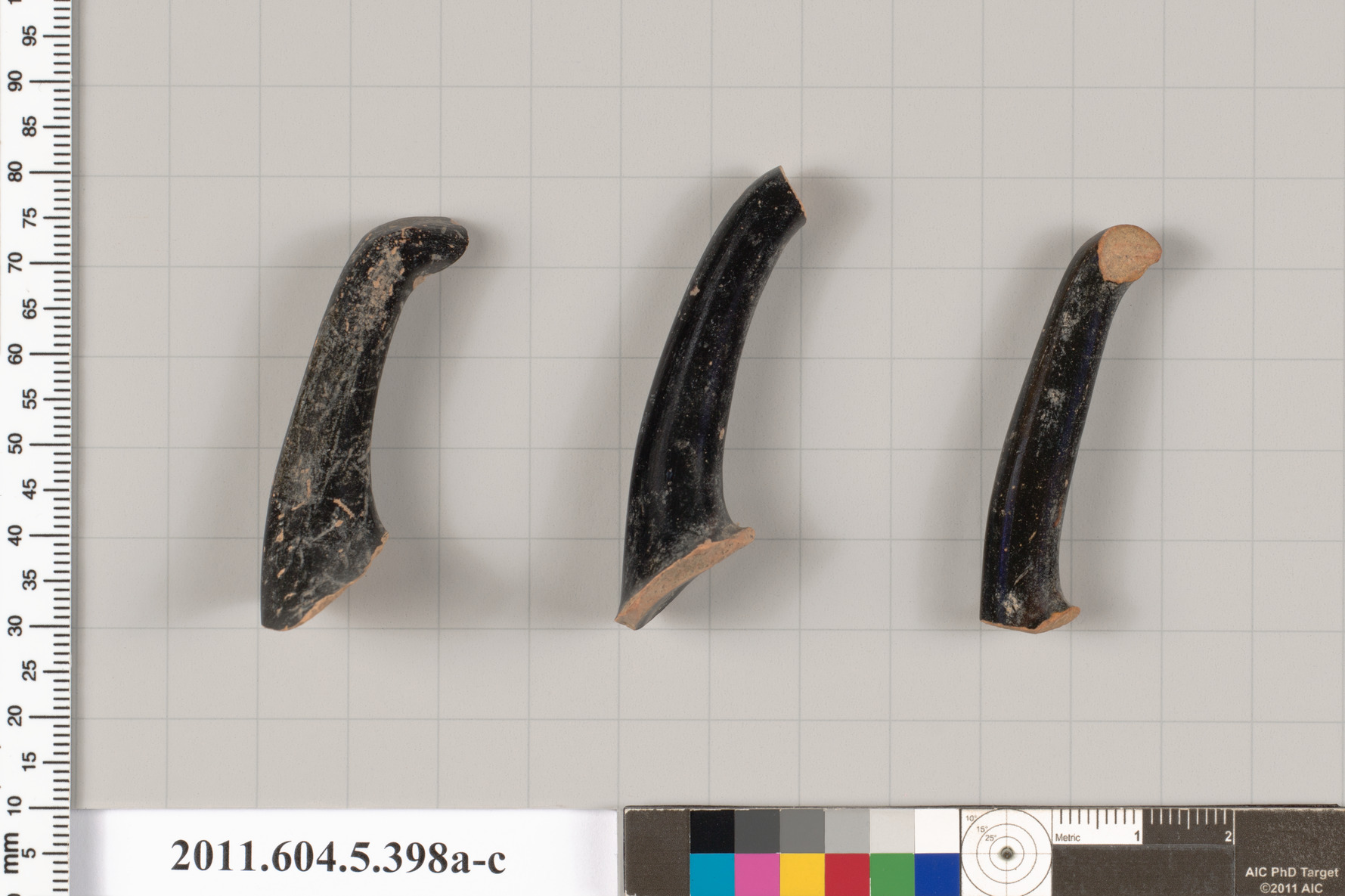
The Lauren Fashion Heritage Lab’s internal genetic code posits a foundational dialogue between the contained naturalism of Delftware and the expansive spiritual drama of Renaissance painting, framing them as divergent yet complementary responses to the human condition. This dialectic between the harmonious vessel and the transcendent symbol provides a profound lens through which to examine our newest muse: the Attic terracotta kylix fragments. These ancient drinking cups, far from being mere archaeological debris, emerge as the critical third term in this aesthetic equation. They collapse the perceived East-West dichotomy by embodying both a ritual vessel and a social canvas, thereby directly informing the 2026 "Old Money" silhouette’s evolution from ostentatious display toward a philosophy of anchored, ritualistic ease.
The Kylix: Form as Ritual and Interface
Unlike the Delft bowl’s finished pictorial serenity or the dramatic narrative of a triptych, the terracotta kylix fragment speaks of a beauty inherent in function, gesture, and communal practice. As a drinking vessel used in the Athenian symposium, its form was dictated by ergonomics and social ritual. The shallow bowl, the horizontal handles, the stem—every element facilitated an act of shared consumption, conversation, and intellectual exchange. The fragments’ very material, terracotta, is humble and local, yet its transformation through fire speaks of durability and daily use. This aligns with, yet crucially modifies, the Heritage Code’s concept of “有限中的无限” (the infinite within the finite). Here, the infinite is not found in a painted landscape but in the potential of the vessel to catalyze human connection. The painted scenes on these cups (often depicting symposia themselves, or mythological vignettes) did not seek to dominate the form but to enrich the ritual act, creating a self-referential loop of art imitating life imitating art. The aesthetic is “收束的” (restrained) in its material humility, yet radically expansive in its social and intellectual purpose.
Informing 2026: From Logo to Libation, From Spectacle to Silhouette
The 2026 "Old Money" narrative, often misconstrued as mere quiet luxury, is recalibrated through the kylix. It moves beyond the passive inheritance of wealth toward the active, ritualistic cultivation of a life. The silhouette absorbs this philosophy through three key principles derived from the terracotta fragments.
First, Ergonomics as Elegance. Just as the kylix’s form was perfected for the hand and the act of drinking, 2026 silhouettes prioritize an almost anatomical intelligence. This manifests in the precise articulation of a raglan sleeve that follows the shoulder’s rotation, the weighted drape of a wool-gabardine trouser that moves with the stride, or the structured yet yielding curve of a collar that frames the face without constraint. The goal is not the rigid, architectural shape of power dressing, but the ease of a vessel designed for the rituals of daily life—be it a board meeting, a gallery visit, or a private library hour. The body is the hand; the clothing is the perfectly balanced cup.
Second, The Patina of Use and the Fragment as Whole. The terracotta fragments are valued precisely because they bear the marks of time and function. Similarly, the 2026 palette and materiality embrace a spectrum of Heritage-Black that is not a monolithic void, but a depth charged with history: the faded black of well-oxidized silver, the greenish-black of ancient bronze, the softened black of archival velvet. Fabrics are chosen for their ability to develop a personal patina—crushed linen, brushed cashmere, wool crepe that softens with wear. The silhouette itself may incorporate intentional “fragments” of texture or technique—a panel of hand-stitched grosgrain, a cuff of raw-edged silk—that suggest a narrative of curation and longevity, rejecting the sterile perfection of the new.
The Social Canvas: Symbolism in the Subtle
Finally, the kylix resolves the Heritage Code’s tension between Eastern “寓道于器” (imbuing the Way into the vessel) and Western “以象征心” (using symbol to express the heart). The cup’s painted scenes were symbolic, but their meaning was activated only within the social ritual. Translating this, the 2026 silhouette employs subtle, legible-only-to-the-cognoscenti symbolism that functions as a social canvas. This is not loud branding, but a vocabulary of discreet details: a specific angle of a pocket flap referencing archival equestrian gear, a knot closure derived from naval rigging, a lining print taken from a fragment of 18th-century document paper. These are the modern equivalents of the kylix’s painted scenes—codes that enrich the ritual of dressing and signal belonging to a community that values depth, history, and the shared language of understatement.
In conclusion, the Attic terracotta kylix fragments provide the material and philosophical bridge for Lauren’s 2026 direction. They teach us that true, enduring luxury resides not in the spectacular symbol or the perfectly preserved artifact alone, but in the well-designed vessel meant for the sacred rituals of the everyday. The resulting silhouette is one of anchored ease: confident, connected, and rich with the quiet narratives of use. It answers the Heritage Code’s ultimate question—how to安顿身心 (settle body and mind) against the void—not through dramatic transcendence or retreat into nature, but through the deliberate, graceful, and deeply human practice of crafting a life, sip by sip, gesture by gesture. In the spectrum between琉璃的宁静 (the serenity of glaze) and试炼的火焰 (the flame of trial), the kylix offers the warm, grounded touch of terracotta, held in one’s own hand.