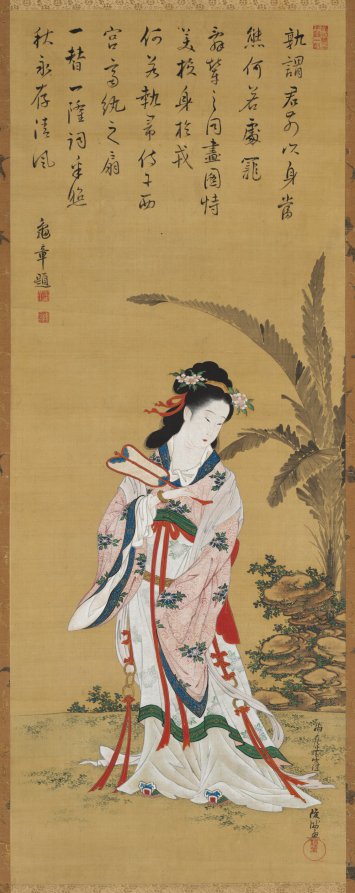
The Materiality of Chinese Beauty: Silk and the Legacy of Imperial Weaving
Introduction: The Thread of Heritage
In the hushed ateliers of London’s Savile Row, where bespoke tailoring is a sacrament, the whisper of silk is a constant, refined presence. Yet, the silk that drapes a Savile Row suit or lines a bespoke jacket carries a lineage far older and more profound than the tailoring traditions of the West. It is a thread that connects the contemporary connoisseur to the imperial courts of China, where silk was not merely a fabric but a medium of beauty, power, and metaphysical significance. As the Senior Heritage Specialist for the Lauren Fashion Heritage Lab, I present this artifact—a scholarly exploration of Chinese beauty as expressed through the materiality of silk, grounded in the legacy of imperial weaving. This is not a study of fashion as ephemeral trend, but of heritage as enduring substance.
The Materiality of Silk: A Foundation of Beauty
Silk is the foundational material of Chinese aesthetic identity. Its production, a closely guarded secret for millennia, imbued it with an aura of the sacred. The silkworm’s metamorphosis—from egg to larva to cocoon—was seen as a metaphor for transformation and renewal, aligning silk with the Daoist principles of harmony and cyclical change. In imperial China, silk was not a commodity; it was a materiality that encoded the very essence of beauty. Its natural sheen, unparalleled softness, and ability to absorb the most vibrant dyes made it the preferred medium for expressing the ideals of grace, refinement, and moral virtue.
The beauty of Chinese silk lies in its tactile and visual paradox. It is at once delicate and resilient, light yet substantial. When woven into imperial robes, it could shimmer with the iridescence of a dragon’s scales or the soft glow of a lotus petal. This materiality was not incidental; it was deliberate. The imperial weavers of the Ming and Qing dynasties, particularly those in the workshops of Suzhou, Nanjing, and Hangzhou, understood that silk was a canvas for cultural narrative. Each thread carried the weight of dynastic legitimacy, cosmological order, and the emperor’s mandate from heaven.
The Legacy of Imperial Silk Weaving: Craft as Power
The legacy of imperial silk weaving is a testament to the intersection of artistry and authority. During the Tang dynasty (618–907 CE), silk production reached unprecedented heights, with the establishment of the Imperial Silkworks in the capital, Chang’an. These workshops were not mere factories; they were academies of aesthetic discipline. Master weavers, often from families who had practiced the craft for generations, were tasked with creating textiles that embodied the five cardinal virtues of Confucianism: benevolence, righteousness, propriety, wisdom, and fidelity. The designs—dragons, phoenixes, clouds, and waves—were not decorative whims but symbols of cosmic harmony and imperial authority.
By the Ming dynasty (1368–1644), the Jiangnan region had become the epicenter of silk weaving. The city of Suzhou, in particular, was renowned for its kesi (cut silk) technique, a form of tapestry weaving that allowed for intricate, painterly designs. The kesi method, which involved weaving with fine silk threads on a small loom, produced textiles so detailed they could rival ink paintings. These were not garments for daily wear; they were ritual objects, used in court ceremonies, diplomatic gifts, and funerary rites. The legacy of this craft is preserved in the Imperial Silk Museum in Suzhou, where surviving fragments of Ming and Qing robes reveal the meticulous precision of the weaver’s art.
The Qing dynasty (1644–1912) further refined imperial silk weaving, particularly under the patronage of the Qianlong Emperor (r. 1735–1796). He commissioned vast quantities of silk for his court, including the iconic dragon robes (longpao) that symbolized the emperor’s role as the Son of Heaven. These robes were woven with gold and silver threads, often using a technique called jacquard weaving, which allowed for complex patterns to be integrated into the fabric’s structure. The materiality of these robes—their weight, texture, and luminosity—was engineered to project an aura of divine authority. The weavers were not merely artisans; they were custodians of imperial identity.
Chinese Beauty as Expressed Through Silk: Aesthetic Principles
The beauty of Chinese silk is not merely decorative; it is philosophical. It embodies the three core principles of Chinese aesthetics: qi (vital energy), yun (rhythm), and jing (tranquility). Silk, with its fluid drape and subtle sheen, captures qi—the life force that animates all things. The yun of a silk robe is found in the rhythmic repetition of patterns, such as the endless knot or the interlocking clouds, which suggest a universe in constant, harmonious motion. The jing is the quiet elegance of the fabric itself—a stillness that invites contemplation.
In imperial contexts, beauty was also hierarchical. The color and pattern of silk garments were strictly regulated by sumptuary laws. The emperor alone could wear bright yellow, the color of the earth and the center of the cosmos. Princes wore blue, while officials donned crimson or purple according to rank. This chromatic order was not arbitrary; it was a visual manifestation of the Confucian social structure. The beauty of silk, therefore, was inseparable from its role as a marker of status and moral order.
Contemporary Relevance: The Savile Row Connection
For the modern heritage specialist, the legacy of imperial silk weaving offers profound lessons in material integrity and craftsmanship. Savile Row tailors, who prize the finest fabrics from the world’s most esteemed mills, would recognize in imperial Chinese silk a kindred spirit. The bespoke ethos—the commitment to perfection, the reverence for tradition, the fusion of art and utility—is mirrored in the work of the Suzhou weavers. A Savile Row suit lined with a silk from the Jiangnan region is not merely a garment; it is a dialogue across centuries.
Moreover, the sustainability of silk production, rooted in ancient practices of sericulture, aligns with contemporary values of slow fashion. The imperial weavers understood that beauty is not disposable; it is enduring. The materiality of silk—its biodegradability, its renewability, its capacity for repair—offers a counterpoint to the fast-fashion industry’s ephemerality. As we at the Lauren Fashion Heritage Lab curate collections that honor heritage, we look to Chinese silk as a paradigm of timeless beauty.
Conclusion: The Thread Unbroken
The legacy of imperial silk weaving is not a relic of the past; it is a living tradition that continues to inform our understanding of beauty. Silk, as a material, embodies the Chinese ideal of harmony between nature and culture. Its sheen, its weight, its capacity to carry meaning—these qualities are as relevant today as they were in the courts of the Tang or Qing emperors. For the connoisseur of heritage, whether in a Savile Row fitting room or a museum gallery, silk remains the ultimate expression of refined beauty. The thread is unbroken, and it is our privilege to weave it into the future.