The Arcadian Continuum: Terracotta Fragments and the 2026 Old Money Silhouette
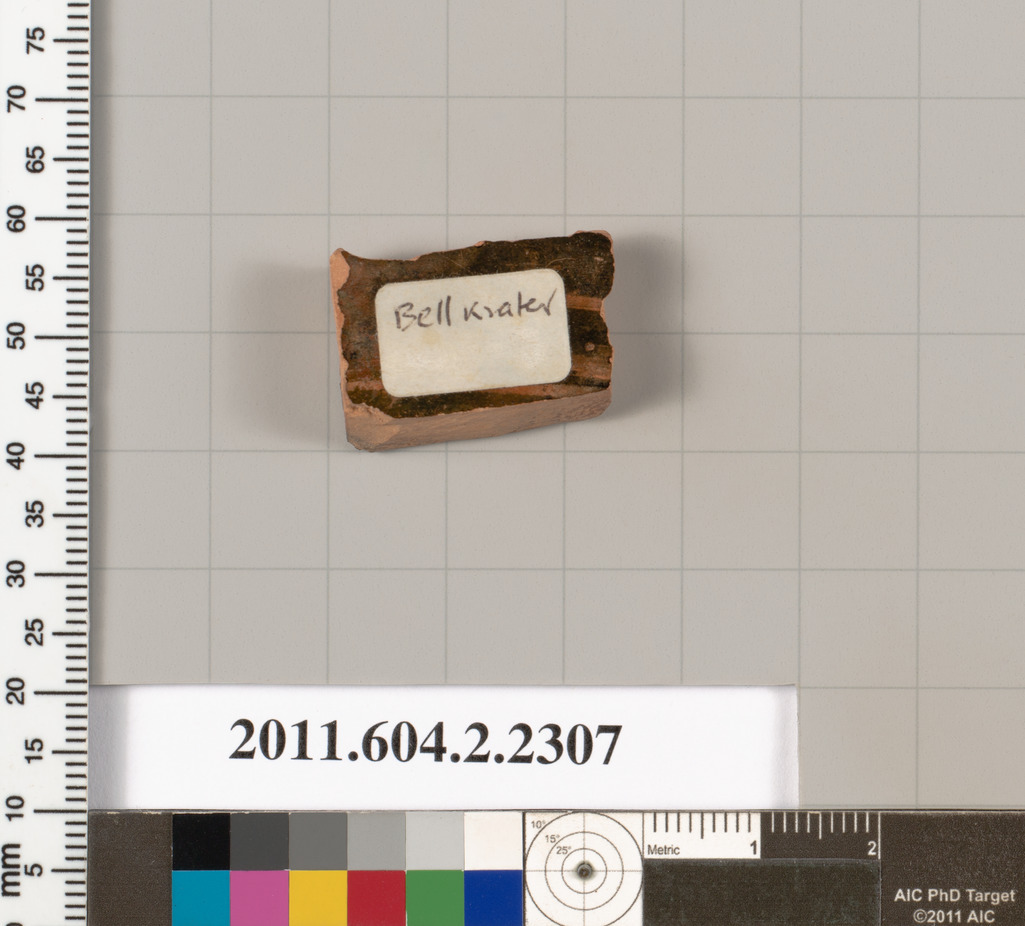
The internal genetic code of the Lauren Fashion Heritage Lab identifies a profound aesthetic resonance between the Chinese Herdboys and Buffalos and the Dutch Wine Cup with Children at Play—two artifacts that, despite their temporal and geographic distance, converge on a shared pastoral ideal. This paper extends that inquiry by examining a third artifact: a terracotta fragment of a bell-krater from Attic Greece (circa 450–425 BCE), a vessel designed for mixing wine and water. While the krater’s surviving imagery is fragmentary, its form and function—rooted in the symposium, a ritual of communal leisure—offer a critical lens through which to reinterpret the 2026 Old Money silhouette. This analysis argues that the krater’s aesthetic principles—restrained proportion, tactile materiality, and a celebration of measured pleasure—directly inform the emerging silhouette, which rejects ostentation in favor of a quiet, heritage-inflected elegance.
The Krater as a Vessel of Arcadian Ideals
The Attic bell-krater, like the Chinese scroll and the Dutch wine cup, belongs to a lineage of objects that encode humanity’s longing for a harmonious, prelapsarian state. In Greek thought, the symposium was not merely a drinking party but a space for philosophical discourse, poetry, and the cultivation of sophrosyne (temperance). The krater’s terracotta clay—unfired, unglazed, and earthy—embodies a material honesty that parallels the “blank space” in Chinese landscape painting. Where the Chinese artist left emptiness to suggest the infinite, the Greek potter left the clay’s natural texture and color to speak of the earth itself. This is not a luxury of gilding or enamel but a luxury of authenticity—a value that the 2026 Old Money silhouette reclaims.
The krater’s fragmentary state is itself instructive. Unlike the pristine surfaces of the Dutch cup or the carefully preserved scroll, the terracotta fragment bears the marks of time: chipped edges, faded pigments, and a patina of centuries. This imperfection becomes a signifier of endurance, of a lineage that transcends fashion cycles. For the 2026 silhouette, this translates into an embrace of wabi-sabi aesthetics: garments that are not flawlessly new but possess a deliberate “lived-in” quality. Think of a cashmere blazer with a slightly softened collar, or a wool trouser with a natural drape that suggests years of wear. The silhouette rejects the sterile perfection of fast fashion in favor of a material narrative—each crease, each fade, each repair telling a story of continuity.
From Symposium to Silhouette: The Architecture of Restraint
The bell-krater’s form is deceptively simple: a broad, rounded body tapering to a narrow base, with two horizontal handles. Its proportions are measured and balanced, avoiding the excesses of later Hellenistic or Baroque ornament. This architectural restraint is the direct precursor to the 2026 Old Money silhouette, which prioritizes line over volume, structure over decoration. The silhouette is not about tightness or bagginess but about a third space—a gentle, unforced relationship between garment and body. A single-breasted jacket with a natural shoulder, a trouser with a straight but not slim leg, a coat that falls without exaggeration: these are the sartorial equivalents of the krater’s harmonious proportions.
The krater’s function—mixing wine with water—is also metaphorical. In Greek culture, wine was a Dionysian force that required tempering with water (the Apollonian element) to achieve balance. The 2026 silhouette performs a similar alchemy: it mixes heritage materials (wool, cashmere, linen) with modern tailoring (minimalist cuts, suppressed waistlines, clean shoulders). The result is a synthesis of the pastoral and the urbane, the rustic and the refined. This is not the ruggedness of a shepherd’s cloak nor the stiffness of a military uniform, but a cultivated ease—the ease of a gentleman who knows his lineage but does not flaunt it.
The Pastoral in the Urban: A Shared Lexicon of Nostalgia
Returning to the internal genetic code, the krater’s terracotta fragment resonates deeply with the Herdboys and Buffalos scroll. Both artifacts evoke an Arcadian landscape that is not geographically specific but emotionally universal. The Greek symposium, with its wine and conversation, was an urban ritual that looked back to a mythical Golden Age—a time before cities, before labor, before the fall. Similarly, the Chinese pastoral scroll is a product of a literati class that, while living in cities, yearned for the simplicity of rural life. The 2026 Old Money silhouette channels this same pastoral nostalgia through its choice of materials and colors: the earthy browns, muted greens, and soft greys of the terracotta palette; the textured weaves of tweed and flannel that recall the fields; the unlined jackets that move with the body like a breeze through wheat.
This is not a costume of the countryside but a sartorial memory of it. The silhouette’s key pieces—a herringbone overcoat, a cashmere turtleneck, a wide-leg wool trouser—are not rustic but refined. They are the garments of a person who owns land but does not work it, who appreciates nature from a distance, who understands that true luxury is the freedom to contemplate rather than toil. This is the same freedom that the Greek symposiast enjoyed, reclining on a couch while slaves mixed his wine, and that the Chinese scholar-official imagined, painting his ideal landscape while sitting in his studio.
The Child’s Play and the Krater’s Echo
The Dutch Wine Cup with Children at Play introduces a third element: joy. The children’s frolics are not merely decorative but emblematic of a life lived in the present, unburdened by past or future. The terracotta krater, though fragmentary, often featured scenes of satyrs and maenads—figures of Dionysian revelry that, like children, exist outside social norms. In the 2026 silhouette, this joy manifests as playfulness within restraint: a subtle pattern, an unexpected texture, a pop of color in an otherwise neutral palette. A silk scarf with a pastoral print, a pair of velvet slippers with embroidered vines, a linen shirt with a hidden floral motif—these are the winks that distinguish the Old Money aesthetic from mere minimalism. They acknowledge that elegance need not be joyless, that the highest luxury is the ability to smile.
Conclusion: The Eternal Return of the Pastoral
The terracotta fragment of the Attic bell-krater is not merely an archaeological curiosity but a living blueprint for the 2026 Old Money silhouette. Its material honesty, proportional restraint, and pastoral resonance offer a counterpoint to the excesses of contemporary fashion. In an era of digital saturation and disposable trends, the silhouette returns to the fundamentals: cloth, cut, and comfort. It is a silhouette that does not shout but whispers—a whisper that carries the echoes of Greek symposiums, Chinese scrolls, and Dutch wine cups. Like the krater’s terracotta, it is fired by time, shaped by tradition, and filled with the promise of a better, more harmonious world. This is the heritage that Lauren Fashion embodies: not a museum piece, but a living tradition that continues to evolve, one silhouette at a time.