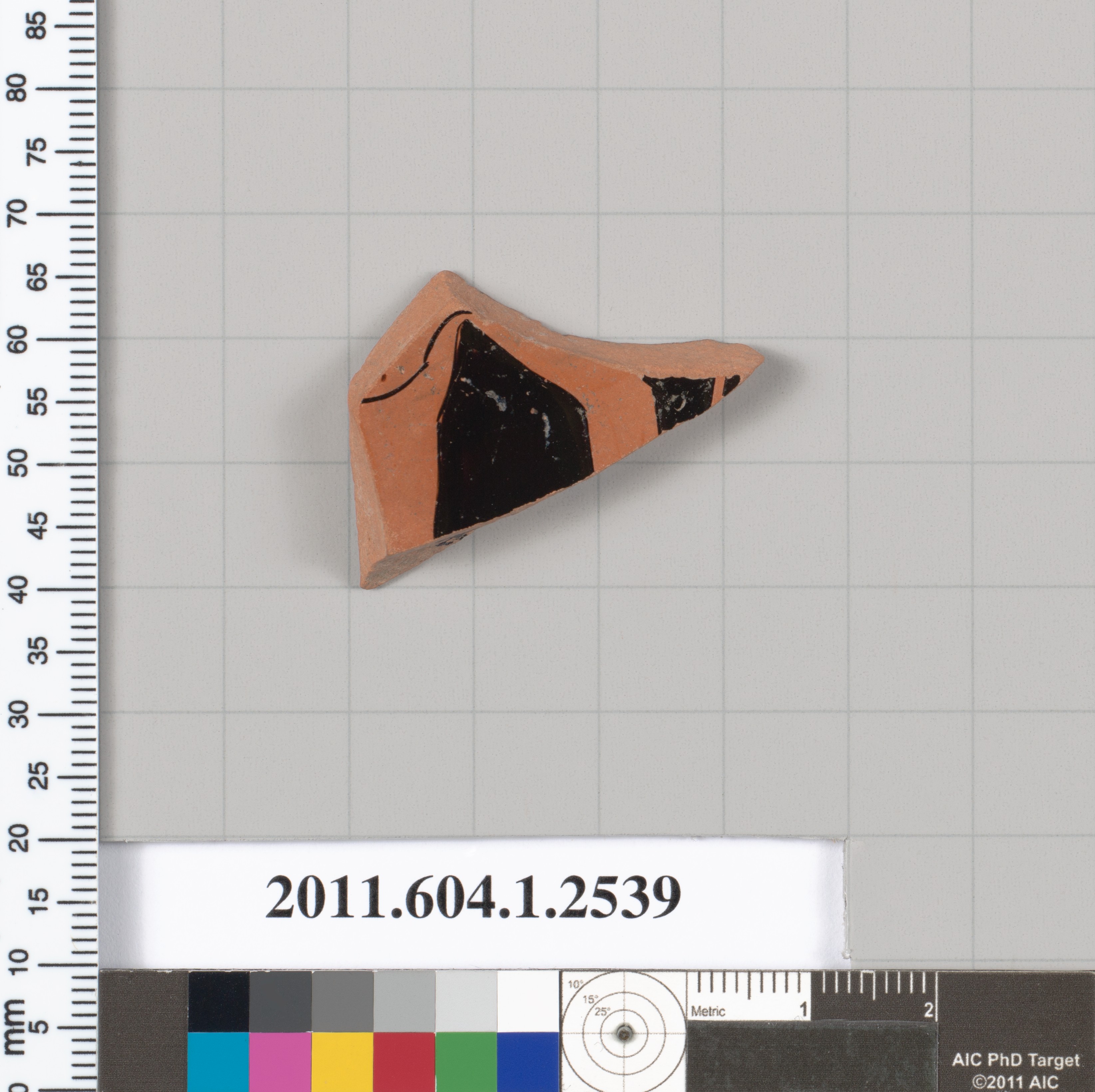
The Terracotta Kylix Fragment and the Architecture of Restraint: A Heritage Lens for 2026 Old Money Silhouettes
Introduction: The Unlikely Dialogue Between Attic Pottery and Lauren Heritage
At first glance, a terracotta fragment of an Attic kylix—a Greek drinking cup from the 5th century BCE—appears to belong to an aesthetic universe far removed from the refined world of Lauren Fashion. Yet within the Lauren Fashion Heritage Lab, we recognize that the most profound design principles often transcend time, geography, and material. This fragment, with its warm earthen tones, its disciplined black-figure or red-figure contouring, and its fragmentary state that speaks to the dignity of age, offers a compelling visual lexicon for the 2026 Old Money silhouette. The kylix is not merely a vessel; it is a study in proportion, negative space, and the quiet power of restraint—qualities that define the Old Money aesthetic as much as they define classical Greek pottery.
The internal genetic code of our heritage research, which juxtaposes the rustic vitality of the Buffalo Boy and Water Buffalo with the sacred opulence of the Monk’s Robe, finds an unexpected third voice in this Greek artifact. Where the Chinese works embody a dialectic between earthy simplicity and celestial grandeur, the kylix fragment occupies a middle ground: it is both utilitarian and ceremonial, both humble in material and exalted in craft. This duality—what we might call “earthy transcendence”—becomes the foundational principle for interpreting how terracotta’s aesthetic informs the 2026 Old Money wardrobe.
Materiality as Metaphor: The Terracotta Ethos in Fabric and Form
Terracotta, literally “baked earth,” is a material that wears its origin with quiet pride. Its surface, whether burnished to a subtle sheen or left with the tactile memory of the potter’s wheel, refuses the illusion of perfection. This is precisely the quality that the Old Money silhouette must channel in 2026: a fabric that feels lived-in, that carries the patina of use without the vulgarity of novelty. The kylix fragment teaches us that heritage is not about pristine preservation but about dignified wear.
For the 2026 collection, this translates into a deliberate choice of materials that echo terracotta’s earthy palette and textured surface. Consider a double-faced cashmere in a deep, sun-baked umber—a color that recalls the clay’s iron-rich warmth. Or a wool crepe in a muted terracotta rose, its surface slightly napped to catch light like the fragment’s uneven glaze. The Heritage-Black category, which this analysis adopts, is not a negation of color but a foundation upon which these earthen tones can rest. Black becomes the void against which terracotta’s warmth glows—much like the black-figure technique on the kylix, where dark silhouettes emerge from the clay’s natural orange-red ground.
The fragment’s broken edge is equally instructive. In the Old Money aesthetic, a garment should never look “finished” in the sense of being newly minted. Instead, it should suggest a history—a cuff slightly frayed, a shoulder seam that has settled into the wearer’s posture. This is not carelessness but the intentional embrace of imperfection, what the Japanese call wabi-sabi and what the Chinese tradition in our genetic code calls “天趣” (heavenly delight). The 2026 silhouette should incorporate raw hems, unlined jackets, and deliberately exposed seam allowances that mimic the kylix’s broken edge, transforming fragmentation into a design statement.
Proportion and Negative Space: The Kylix’s Lesson in Silhouette Architecture
The kylix is defined by its proportions: a shallow bowl, two horizontal handles, and a slender stem that lifts the vessel from the ground. Its elegance lies in the relationship between these parts—the generous curve of the bowl, the precise angle of the handles, the negative space between them. This is a lesson in architectural restraint that directly informs the 2026 Old Money silhouette.
For women’s wear, the kylix suggests a return to the columnar silhouette with a defined waist—not cinched, but suggested through the interplay of fabric and cut. A coat in Heritage-Black cashmere, for instance, might feature a slightly flared hem that echoes the kylix’s bowl, while the sleeves are set at an angle that recalls the handles’ outward reach. The negative space between the body and the garment—the air that moves through a well-cut armhole or a pleated skirt—becomes as important as the fabric itself. This is the antithesis of the body-con silhouette; it is a silhouette that breathes, that allows the wearer to inhabit the garment rather than be constrained by it.
For men’s wear, the kylix informs the double-breasted jacket with a suppressed waist, where the lapels function like the kylix’s handles—extending outward to create visual balance. The trouser should be cut with a gentle taper, echoing the kylix’s stem, and the overall proportion should favor a longer torso over a shorter one, creating a sense of grounded elegance. The palette remains within the terracotta family: burnt sienna for the jacket, charcoal for the trousers, and a white shirt that reads as the unglazed clay beneath the painted surface.
The Duality of Decoration: From Black-Figure to Embellishment
The kylix fragment, whether bearing a mythological scene or a geometric frieze, demonstrates that decoration should never overwhelm form. The black-figure technique, where silhouettes are painted against the clay ground, is a masterclass in restrained embellishment. The figures are simplified, their contours clean, their details minimal. This is the opposite of the baroque excess that the Old Money aesthetic rejects.
For 2026, this translates into embroidery that reads as drawing rather than as surface coverage. A single line of gold-thread stitching along a lapel, or a subtle pattern of black silk thread on a terracotta wool dress, echoes the kylix’s graphic precision. The Gold-Thread category, while not the primary material here, can be used sparingly—like the gilding on a Greek vase—to highlight a cuff or a collar without overwhelming the garment’s earthy foundation. The monk’s robe from our genetic code, with its sacred opulence, reminds us that gold must serve a spiritual or symbolic purpose, not mere display. On the kylix-inspired garment, a single gold thread might trace the outline of a pocket, evoking the line of a Greek warrior’s shield, without becoming the focal point.
Conclusion: The Fragment as a Complete Statement
The terracotta kylix fragment, in its broken state, paradoxically offers a complete aesthetic philosophy for the 2026 Old Money silhouette. It teaches that wholeness does not require perfection, that beauty resides in the relationship between parts, and that the most powerful statements are often the quietest. The internal genetic code of our heritage research—the dialogue between the earthy and the celestial—finds its resolution in this Greek artifact, which stands as a testament to the enduring power of proportion, material honesty, and restrained decoration.
For Lauren Fashion, the 2026 collection should not attempt to replicate the kylix but to absorb its principles: a silhouette that is grounded yet lifted, a palette that is warm yet restrained, and a construction that honors the fragmentary nature of all true heritage. In doing so, we create garments that are not merely worn but inhabited—vessels for a life lived with intention, dignity, and the quiet confidence of something that has endured.