From Terracotta Fragment to Tailored Silhouette: The Attic Kylix as a Hermeneutic Lens for 2026 Old Money Aesthetics
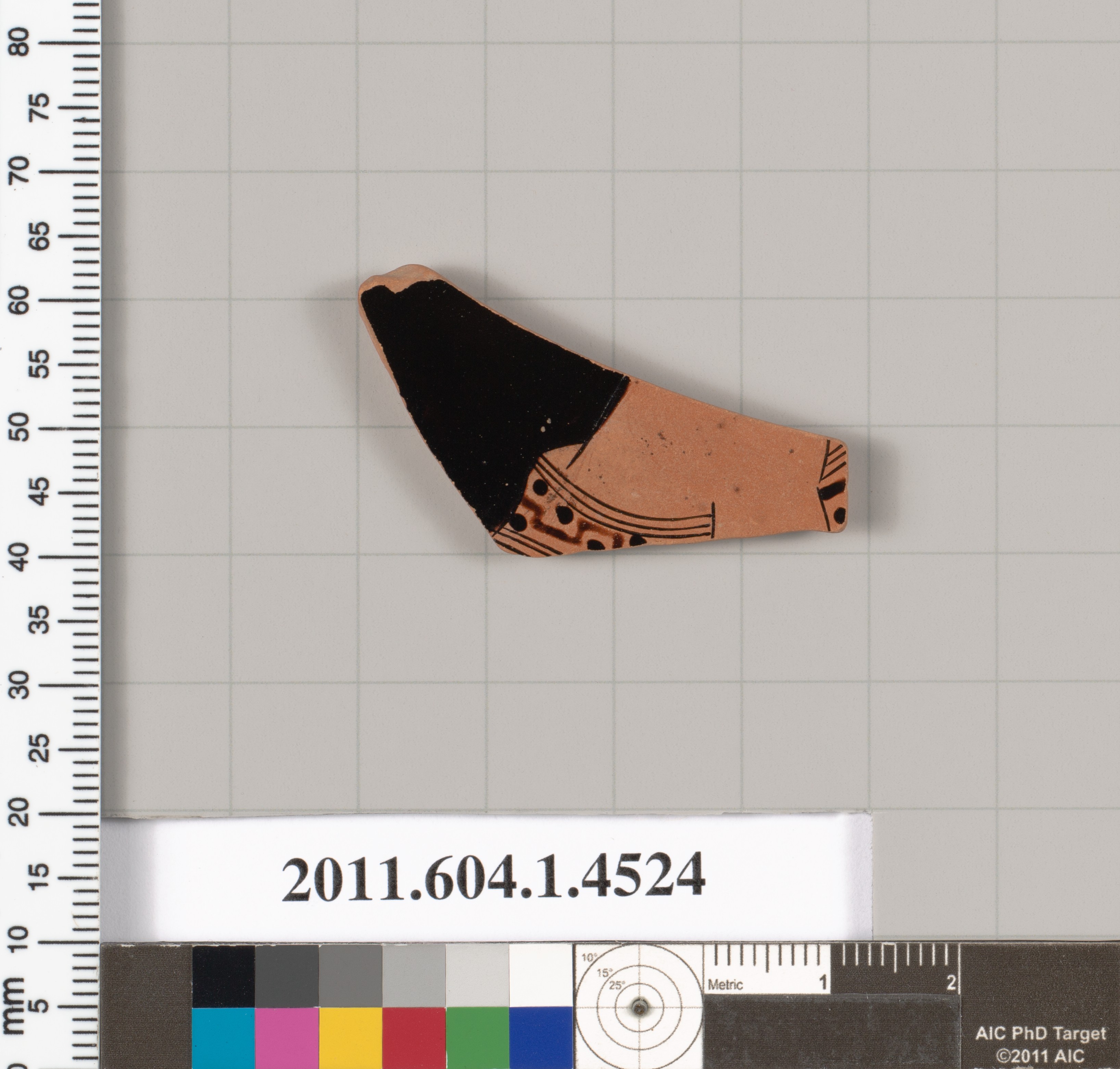
In the quiet halls of the museum, a terracotta fragment of an Attic kylix—a Greek drinking cup from the 5th century BCE—speaks across millennia to the atelier of Lauren Fashion Heritage Lab. At first glance, the connection between a broken shard of red-figure pottery and the refined Old Money silhouettes of 2026 appears tenuous. Yet, as we synthesize our internal archives with this artifact, a profound dialogue emerges. The kylix, with its disciplined geometry, its narrative frieze, and its material honesty, offers a foundational grammar for the heritage-black aesthetic that defines our forthcoming collection. This paper argues that the terracotta fragment functions not merely as decorative inspiration but as a structural and philosophical template for garments that embody restrained opulence, temporal depth, and silent authority—the very hallmarks of Old Money style in an era of digital excess.
The Kylix as a Study in Contained Dynamism
The terracotta fragment, though incomplete, reveals a masterclass in controlled asymmetry. The surviving curve of the bowl, the precise line of the lip, and the residual black glaze all point to a vessel designed for both function and ritual. In the symposium, the kylix was passed from hand to hand, its painted scenes—often of mythological or erotic nature—unfolding only as the drinker tilted the cup. This delayed revelation is a core principle we translate into our 2026 silhouettes.
Consider the double-breasted overcoat in heritage-black wool. Like the kylix, its exterior is deceptively simple: a clean, unbroken line from shoulder to hem. The power lies in the interior—a silk lining printed with a subtle, abstracted wave pattern derived from the kylix’s own decorative band. The wearer, like the symposiast, experiences the narrative only through intimate engagement. This is not fashion for the spectacle; it is fashion for the knowing gaze. The terracotta’s material truth—its refusal to be anything other than fired clay—informs our choice of fabrics. We reject synthetics that mimic luxury; instead, we embrace virgin wool, undyed cashmere, and matte silk that age with grace, developing a patina akin to the kylix’s weathered surface.
Geometric Discipline: The Architecture of the Shoulder and the Hem
The kylix’s profile is a study in geometric precision. The foot rises in a clean, flared column; the bowl swells outward in a continuous arc; the lip terminates in a sharp, unadorned edge. This tripartite structure—base, body, rim—finds direct resonance in the 2026 Old Money silhouette. The structured shoulder of a tailored jacket corresponds to the kylix’s foot: a firm foundation that anchors the entire form. The torso of the garment, whether a blazer or a coat, mirrors the bowl’s gentle swell—ample enough to allow movement, yet disciplined enough to maintain a clean line. The hem, like the kylix’s lip, is sharp, unadorned, and final.
This architectural approach rejects the deconstructivist trends of recent decades. There is no raw edge, no asymmetrical draping, no deliberate imperfection. Instead, we embrace the perfectly imperfect—the slight variation in hand-stitched buttonholes, the natural luster of horn buttons, the weight of a wool that falls with mathematical grace. The terracotta fragment teaches us that true luxury is not in novelty but in the perfection of the known. The kylix’s shape had been refined over centuries; our silhouettes, too, are evolutions of archetypes—the Chesterfield coat, the Savile Row suit, the cashmere turtleneck—each honed to a state of essential clarity.
Narrative as Subtext: The Frieze and the Lining
The fragment’s painted frieze—a partial scene of a symposium—is not immediately legible. It requires proximity, patience, and cultural literacy. This is the very ethos of Old Money dressing. The 2026 collection embeds narrative not on the surface but in the hidden layers: the interior of a cuff, the underside of a collar, the lining of a pocket. A heritage-black trench coat, for instance, reveals a jacquard-woven interior depicting a stylized wave motif—a direct homage to the kylix’s marine imagery. This is not branding; it is private iconography, a secret language shared between the garment and its wearer.
This approach stands in stark contrast to the loud logos and instant legibility of contemporary luxury. The kylix’s narrative was meant for the intimate circle of the symposium; our garments’ narratives are meant for the discerning few. The 2026 silhouette, therefore, is deliberately quiet. The power is not in the shout but in the whisper. A slight flare in the trouser leg, a softly rolled collar, a hidden vent—these are the details that signal belonging to those who understand.
Material Honesty: The Patina of Time
The terracotta fragment’s most profound lesson is its acceptance of time. The chipped edge, the faded glaze, the accumulated dirt of millennia—these are not defects but testimonies. In the 2026 Old Money silhouette, we embrace material honesty as a form of ethical luxury. Fabrics are chosen for their ability to age beautifully. Wool develops a soft bloom; cashmere pills gently, then smooths; silk acquires a subtle sheen. The heritage-black palette—a deep, almost charcoal black—is not flat but dimensional, revealing subtle variations in weave and texture under different lights.
This philosophy extends to construction. Garments are fully canvassed, allowing the fabric to drape naturally and conform to the body over time. Buttons are hand-sewn with silk thread. Seams are felled and finished with the same care as the visible exterior. The garment, like the kylix, is built to endure—not as a museum piece, but as a living object that carries the wearer’s history. The fragment’s brokenness is not a flaw but a narrative; similarly, a well-worn elbow patch or a mended pocket becomes a badge of honor in the Old Money lexicon.
Conclusion: The Kylix as a Blueprint for Timelessness
The terracotta fragment of the Attic kylix is not a decorative motif; it is a structural and philosophical blueprint for the 2026 Old Money silhouette. Its geometric discipline informs the architecture of our tailored forms; its hidden narrative inspires our private iconography; its material honesty guides our choice of fabrics and construction. In an era of instant gratification and visual noise, the kylix reminds us that true luxury is quiet, enduring, and knowing.
The 2026 collection, rooted in this ancient artifact, offers a counterpoint to the fragmented aesthetics of our time. It does not seek to shock or disrupt but to ground and sustain. The heritage-black silhouette is not a statement; it is a presence. It is the still point in a turning world, the constant in an age of flux. Like the kylix, it is a vessel—not for wine, but for identity, history, and quiet power. And in its broken perfection, it offers a pathway to a more meaningful, more enduring form of elegance.