From Terracotta Fragment to Tailored Silhouette: The Dialectics of Containment and Transcendence in 2026 Old Money Design
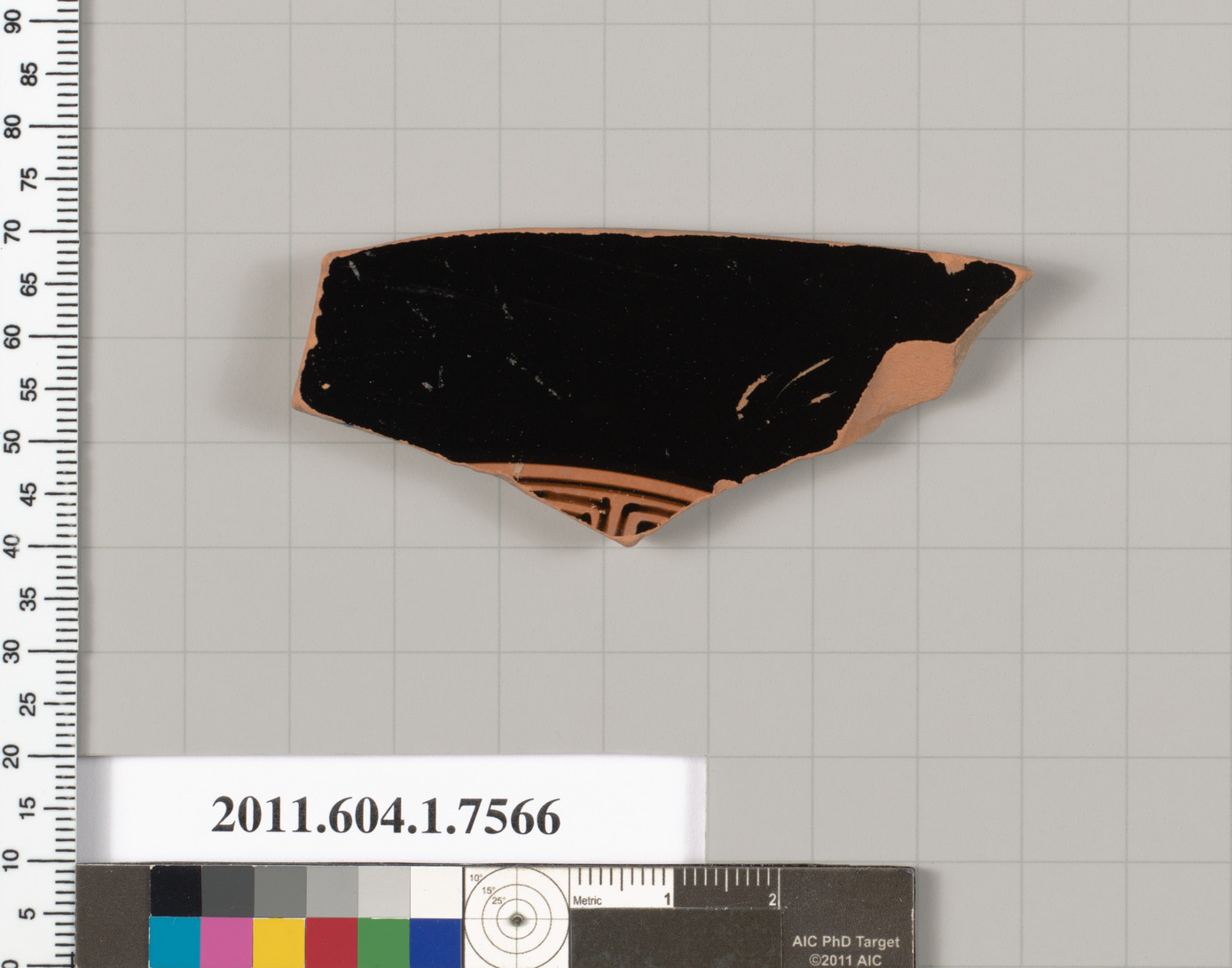
At the Lauren Fashion Heritage Lab, the synthesis of internal archives with museum artifacts reveals a profound continuity in the human quest for meaning through material form. The Terracotta fragment of a kylix (drinking cup) from Attic Greece—a shard of a once-whole vessel—serves as a compelling lens through which to re-examine the philosophical underpinnings of the 2026 Old Money silhouette. This fragment, though broken, embodies a dual aesthetic legacy that resonates with the internal genetic code’s juxtaposition of the Delftware bowl and the Temptation of Saint Anthony painting. The kylix, like the blue-and-white bowl, is an instrument of containment: its curved walls once held wine, its tondo (interior circular base) bore painted scenes of symposium, myth, or daily life. Yet, its fragmentary state also speaks to the aesthetic of rupture—a visual echo of the saint’s spiritual trial. For the 2026 Old Money silhouette, this artifact informs a design language that balances restrained structure (the kylix’s geometric perfection) with subtle, intentional disruption (the fragment’s jagged edge), creating garments that are both timeless and provocatively alive.
The Kylix as a Model of “Limited Infinity”
The Attic kylix, in its original wholeness, exemplifies the Greek ideal of harmonious proportion. Its shallow bowl, supported by a slender stem and two horizontal handles, achieves a balance between utility and grace—a form that contains function without sacrificing beauty. This mirrors the Delftware bowl’s aesthetic of “limited infinity,” where the circular rim encloses a dynamic scene of ducks and waves, suggesting movement within stillness. For the 2026 Old Money silhouette, this translates into tailoring that respects the body’s geometry while allowing for subtle fluidity. The structured shoulder of a double-breasted blazer, the precise waist suppression of a high-waisted trouser, and the clean line of a cashmere overcoat all echo the kylix’s containment of energy. Yet, the fragment’s broken edge introduces a crucial nuance: the silhouette must not become rigid. Just as the kylix’s painted tondo—often a scene of revelry or reflection—offers a window into a larger narrative, the 2026 garment incorporates interior details that hint at depth. A silk lining in a deep aubergine, a hidden pocket stitched with gold-thread, or a subtle pleat that catches light like the kylix’s glaze—these elements transform the garment from mere covering into a vessel of personal history.
The Fragment as a Symbol of “Expansive Conflict”
Yet the terracotta fragment is not merely a whole object; it is a record of breakage. Its jagged edges, missing sections, and weathered surface evoke the aesthetic of the sublime found in the Temptation of Saint Anthony—a confrontation with chaos, decay, and the limits of human control. In the 2026 Old Money silhouette, this translates into a deliberate imperfection that disrupts the expected perfection of luxury. Consider the unfinished hem on a wool coat, the asymmetrical lapel on a velvet dinner jacket, or the raw-edge seam on a cashmere scarf. These details are not signs of carelessness but rather intentional gestures toward authenticity—a recognition that true heritage is not pristine but lived. The fragment teaches us that beauty persists through fracture. For the 2026 client, this means embracing garments that bear the marks of time: a slightly faded brocade, a patina on gold-thread embroidery, or a repaired tear in lace. These are not flaws but narratives of resilience, akin to the kylix’s survival through millennia.
Dialectical Synthesis: The 2026 Silhouette as “Poetic Dwelling”
The deepest resonance between the kylix fragment and the 2026 Old Money silhouette lies in their shared capacity for dialectical synthesis. Just as the Delftware bowl and the Saint Anthony painting represent opposite poles of aesthetic experience—containment versus expansion, harmony versus conflict—the kylix fragment embodies both. Its curved form speaks to the domestic, the intimate, the everyday (the symposium, the shared cup), while its broken state speaks to the historical, the monumental, the transcendent (the passage of time, the fragility of civilization). The 2026 silhouette must navigate this same duality. It is grounded in tradition—the double-breasted silhouette, the cigarette pant, the cashmere turtleneck—yet it is reimagined through disruption: a deconstructed shoulder, a draped panel, a contrasting texture that breaks the visual flow. This is not a rejection of heritage but a deepening of it, a recognition that the most enduring forms are those that can hold contradiction.
Materiality and the Ethics of Making
The kylix fragment also informs the material philosophy of the 2026 collection. Greek terracotta is humble—fired clay, painted with slip—yet it achieves a luminosity that rivals precious metals. This teaches us that luxury is not about rarity but about intention. For the 2026 Old Money silhouette, this translates into a focus on natural fibers—wool, cashmere, silk, linen—that are treated with respect for their origins. The weight of a worsted wool suiting, the drape of a silk charmeuse, the hand of a cashmere double-face—these are not mere textures but embodied ethics. Just as the kylix’s clay bears the fingerprint of its potter, the 2026 garment should bear the trace of its maker: a hand-stitched buttonhole, a hand-felled seam, a hand-painted lining. These details are the contemporary equivalent of the kylix’s glaze—a surface that invites touch and contemplation.
Conclusion: The Silhouette as a Vessel for Meaning
In the end, the terracotta fragment of the kylix is not merely an artifact of the past; it is a prophetic object for the 2026 Old Money silhouette. It reminds us that the most powerful garments are those that function as vessels—not just for the body, but for the spirit. They contain our daily rituals (the morning coffee, the evening commute) while also pointing toward our deeper struggles (the search for identity, the confrontation with mortality). The 2026 silhouette, like the kylix, must be both a bowl and a fragment: a form that holds us steady, yet a form that acknowledges the fractures we carry. In this, it fulfills the ancient human need for poetic dwelling—a way of being in the world that is neither purely harmonious nor purely conflicted, but richly, complexly alive. The heritage of Lauren Fashion is not a museum piece; it is a living dialogue between the glazed stillness of the Delftware bowl and the fired intensity of the saint’s trial, between the curve of the kylix and the edge of its break. And in that dialogue, we find the blueprint for a truly timeless elegance.