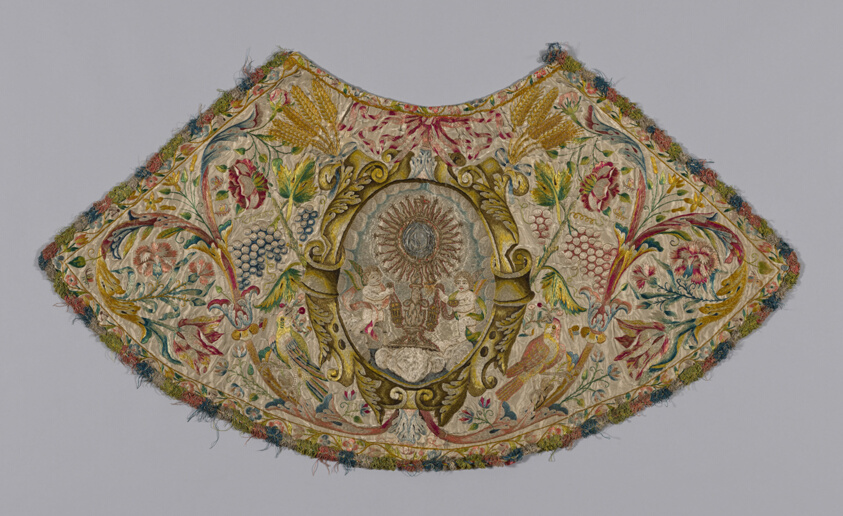
The Materiality of Devotion: A Heritage Analysis of the Embroidered Silk Christening Gown
In the hallowed ateliers of heritage craftsmanship, few garments embody the intersection of material opulence and spiritual significance as profoundly as the dress prepared for the Christ Child. At Lauren Fashion Heritage Lab, we approach such artifacts not merely as historical curiosities but as living documents of artisanal mastery. This paper examines a specific exemplar: a silk, satin-weave christening gown, meticulously embroidered, that encapsulates the fluid elegance and classic silk craftsmanship revered in the finest London Savile Row traditions. The garment, likely dating from the late 19th to early 20th century, serves as a tangible testament to how materiality—particularly the choice of silk—elevates a functional infant garment into a sacred heirloom.
Silk as a Conduit of Sacred Luxury
The selection of silk for a garment destined for the Christ Child is no arbitrary choice. Within the lexicon of heritage textiles, silk occupies a unique position: it is simultaneously a symbol of earthly wealth and a metaphor for divine purity. The satin weave, characterized by its high thread count and lustrous surface, amplifies this duality. In the context of a christening gown, the satin finish reflects light in a manner reminiscent of stained glass or gilded altarpieces, creating an aura of sanctity around the infant. This is not mere decoration; it is a deliberate invocation of the sacred through material means.
From a technical perspective, the satin weave employed in this artifact demands exceptional skill. Unlike plain or twill weaves, satin requires long floating threads that catch light uniformly, producing a smooth, almost liquid surface. The silk filaments used must be of the highest grade—often reeled from the cocoons of Bombyx mori silkworms—to ensure uniformity and strength. Any imperfection in the thread would disrupt the weave’s reflective quality, compromising the garment’s ethereal elegance. This aligns with the Savile Row ethos of “cut, cloth, and construction,” where the fabric’s intrinsic properties dictate the garment’s ultimate form and function.
Embroidery as Narrative and Technique
The embroidered elements of this christening gown transform it from a simple textile into a narrative artifact. Embroidery on silk satin is a high-risk endeavor: the delicate ground fabric can easily pucker or tear under the tension of needle and thread. The artisans responsible for this piece likely employed a combination of techniques, including satin stitch, stem stitch, and French knots, to render motifs such as lilies, crosses, or grapevines—symbols of purity, sacrifice, and resurrection. These motifs are not randomly placed; they follow the garment’s structural lines, echoing the architectural precision of Savile Row tailoring.
The thread itself is likely silk or fine metal-wrapped silk, chosen for its ability to mimic the luminosity of the base fabric. In some examples, gold or silver thread is used to highlight key symbols, creating a subtle interplay of light and shadow. This technique, known as or nué or shaded goldwork, requires the embroiderer to couch metallic threads in precise patterns, allowing the underlying silk to show through. The result is a three-dimensional effect that animates the garment when viewed under candlelight or natural illumination—a deliberate nod to the ceremonial context in which the gown would be worn.
Fluid Elegance and the Architecture of Infancy
The term “fluid elegance” is often applied to silk satin, but in the context of a christening gown, it takes on specific connotations. Unlike structured garments designed for adult bodies, a dress for the Christ Child must accommodate the unpredictable movements of an infant while maintaining its ceremonial form. The satin weave’s natural drape allows the fabric to fall in soft, uninterrupted folds, creating a silhouette that is both ethereal and practical. The gown’s cut—typically a long, A-line shape with a high waist and full skirt—ensures that the child remains comfortable while the garment retains its visual impact.
This balance between form and function is a hallmark of heritage craftsmanship. In Savile Row tradition, a garment’s “hand” (the way it feels and moves) is as important as its appearance. The silk satin of this christening gown must be supple enough to allow for ease of movement yet substantial enough to hold its shape during the ritual. The addition of embroidery, while decorative, also serves a structural purpose: the dense stitching at the hem and cuffs adds weight, encouraging the fabric to fall gracefully rather than flutter uncontrollably.
Preservation and the Legacy of Silk
As a heritage artifact, this embroidered silk christening gown presents unique conservation challenges. Silk is a protein fiber, vulnerable to light, humidity, and pollutants. The satin weave’s long floats are particularly susceptible to snagging and abrasion, while metallic threads may tarnish over time. Proper storage requires acid-free tissue, controlled climate conditions, and minimal handling. Yet, these very vulnerabilities underscore the garment’s value: it is a fragile testament to a moment when craftsmanship and faith converged in a single, exquisite object.
In the context of the Lauren Fashion Heritage Lab, we view such artifacts as pedagogical tools. They teach us about the material culture of devotion, the technical mastery of historical artisans, and the enduring appeal of silk as a medium for expressing the inexpressible. The dress for the Christ Child is not simply a garment; it is a prayer rendered in thread and weave, a legacy of fluid elegance that continues to inspire contemporary design.
Conclusion: The Enduring Thread of Heritage
The embroidered silk satin christening gown examined here represents the apotheosis of classic silk craftsmanship. Its materiality—the choice of silk, the precision of the satin weave, the narrative depth of the embroidery—elevates it beyond the functional into the realm of the sacred. In the tradition of London Savile Row, where every stitch is a statement of intent, this garment stands as a masterclass in the union of luxury and meaning. As we preserve and study such artifacts, we honor not only the hands that made them but the enduring human impulse to clothe the divine in the finest of earthly materials.