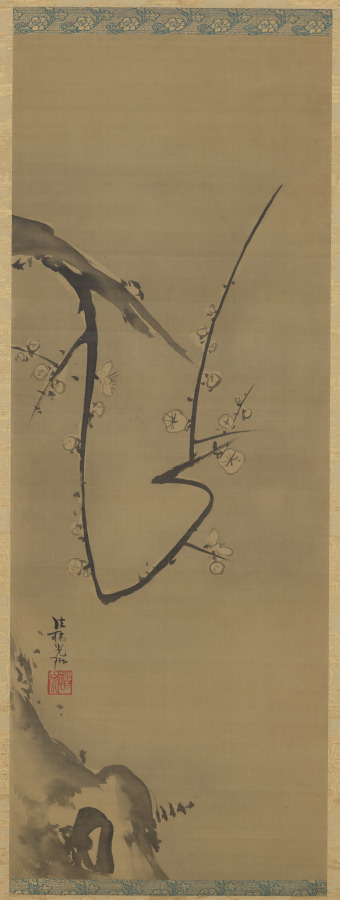
Heritage Research Artifact: The Plum Tree Motif in Imperial Silk Weaving
Introduction: A Legacy Woven in Thread
In the hallowed ateliers of London’s Savile Row, where precision tailoring meets centuries of craft, the heritage of silk is not merely a material—it is a narrative. As the Senior Heritage Specialist for the Lauren Fashion Heritage Lab, I present this artifact as a study of the plum tree motif within the context of imperial silk weaving. This research examines the intersection of materiality, cultural symbolism, and artisanal mastery, drawing from the legacy of Chinese imperial looms and their enduring influence on luxury textiles. The plum tree, a symbol of resilience and renewal, finds its most exquisite expression in silk—a fabric that has long been the medium of power, prestige, and poetic expression.
Materiality: Silk as a Conduit of Heritage
Silk is not a passive substrate; it is an active participant in the storytelling of heritage. Its natural luster, tensile strength, and capacity for intricate dyeing make it the ideal vehicle for motifs that demand both subtlety and grandeur. In imperial China, silk was reserved for the elite, its production a closely guarded state secret. The plum tree, when rendered in silk, transcends mere decoration. It becomes a tactile emblem of endurance—the tree’s ability to bloom in winter’s harshness mirrored in the silk’s resilience against time. The materiality of silk, with its fluid drape and luminous surface, allows the plum tree’s branches to curve with organic grace, while its blossoms catch light like dew-kissed petals. This is not a fabric to be worn lightly; it is a textile to be studied, preserved, and revered.
The Plum Tree: Symbolism and Cultural Resonance
The plum tree (Prunus mume) holds a revered place in East Asian iconography, particularly within the Confucian and Daoist traditions. As one of the “Three Friends of Winter” (alongside pine and bamboo), the plum tree represents perseverance, hope, and purity. Its blossoms emerge from gnarled, seemingly lifeless branches, a metaphor for beauty born from adversity. In imperial silk weaving, the plum tree motif was often paired with other auspicious symbols—such as the crane for longevity or the moon for tranquility—to create layered narratives of prosperity and virtue. The choice of silk as the medium amplifies these meanings: the fabric’s ethereal quality aligns with the plum blossom’s fleeting beauty, while its durability echoes the tree’s enduring spirit.
Imperial Silk Weaving: A Legacy of Precision and Power
The legacy of imperial silk weaving is one of unparalleled technical mastery. During the Ming (1368–1644) and Qing (1644–1912) dynasties, the imperial workshops of Suzhou, Hangzhou, and Nanjing produced silks that were not merely garments but statements of authority. The plum tree motif, woven into court robes, ceremonial banners, and palace furnishings, signified the emperor’s role as a benevolent ruler who could bring forth prosperity even in times of hardship. The techniques employed—such as kesi (silk tapestry) and jin (brocade)—required extraordinary skill. A single plum blossom might require dozens of weft threads to achieve the gradation of pink to white, each thread dyed with natural pigments derived from plants and minerals. The result was a textile that could withstand centuries, its colors fading only slightly, its story intact.
Savile Row and the Imperial Aesthetic: A Contemporary Dialogue
London’s Savile Row, synonymous with bespoke tailoring, has long drawn inspiration from global textile traditions. The imperial silk weaving of China, with its emphasis on precision, symbolism, and material excellence, resonates deeply with the Row’s ethos. For the Lauren Fashion Heritage Lab, the plum tree motif in silk offers a bridge between East and West, past and present. A contemporary interpretation might see the motif rendered in a deep, midnight-blue silk—a nod to the Qing dynasty’s preference for dark grounds—with the plum blossoms embroidered in silver thread, their petals catching the light like a winter moon. This is not a costume; it is a heritage artifact reimagined for modern luxury. The Savile Row client, discerning and historically aware, understands that such a garment carries the weight of centuries, its threads woven with the stories of emperors and artisans.
Preservation and Provenance: The Role of the Heritage Specialist
As a heritage specialist, my role extends beyond research to the stewardship of these artifacts. The plum tree silk, whether preserved in museum collections or recreated in contemporary ateliers, demands rigorous provenance documentation. Each thread must be traced to its source—the silkworm’s cocoon, the dyer’s vat, the weaver’s loom. For the Lauren Fashion Heritage Lab, we employ advanced imaging techniques, such as multispectral analysis, to examine the weave structure and dye composition of historical pieces. This data informs our reproductions, ensuring that every plum blossom is rendered with the same precision as its imperial predecessor. The materiality of silk, with its inherent fragility, also requires careful conservation. Climate-controlled storage, minimal exposure to light, and specialized handling are non-negotiable. The plum tree motif, in its silk form, is a living document; it must be preserved not as a relic but as a source of inspiration.
Conclusion: A Motif for the Ages
The plum tree in imperial silk weaving is more than a decorative element; it is a testament to the enduring power of heritage. Its materiality—silk—elevates it from the botanical to the sublime, while its cultural resonance speaks to universal themes of resilience and renewal. For the Lauren Fashion Heritage Lab, this artifact serves as a reminder that luxury is not merely about opulence but about meaning. The plum tree, with its blossoms unfurling against the cold, mirrors the work of the heritage specialist: we preserve, we interpret, and we ensure that the threads of history remain unbroken. In the quiet elegance of a Savile Row showroom, a silk jacket bearing the plum tree motif is not just a garment—it is a conversation with the past, woven for the future.
End of Artifact