Fragmented Perfection: The Attic Terracotta and the Archaeology of Silhouette
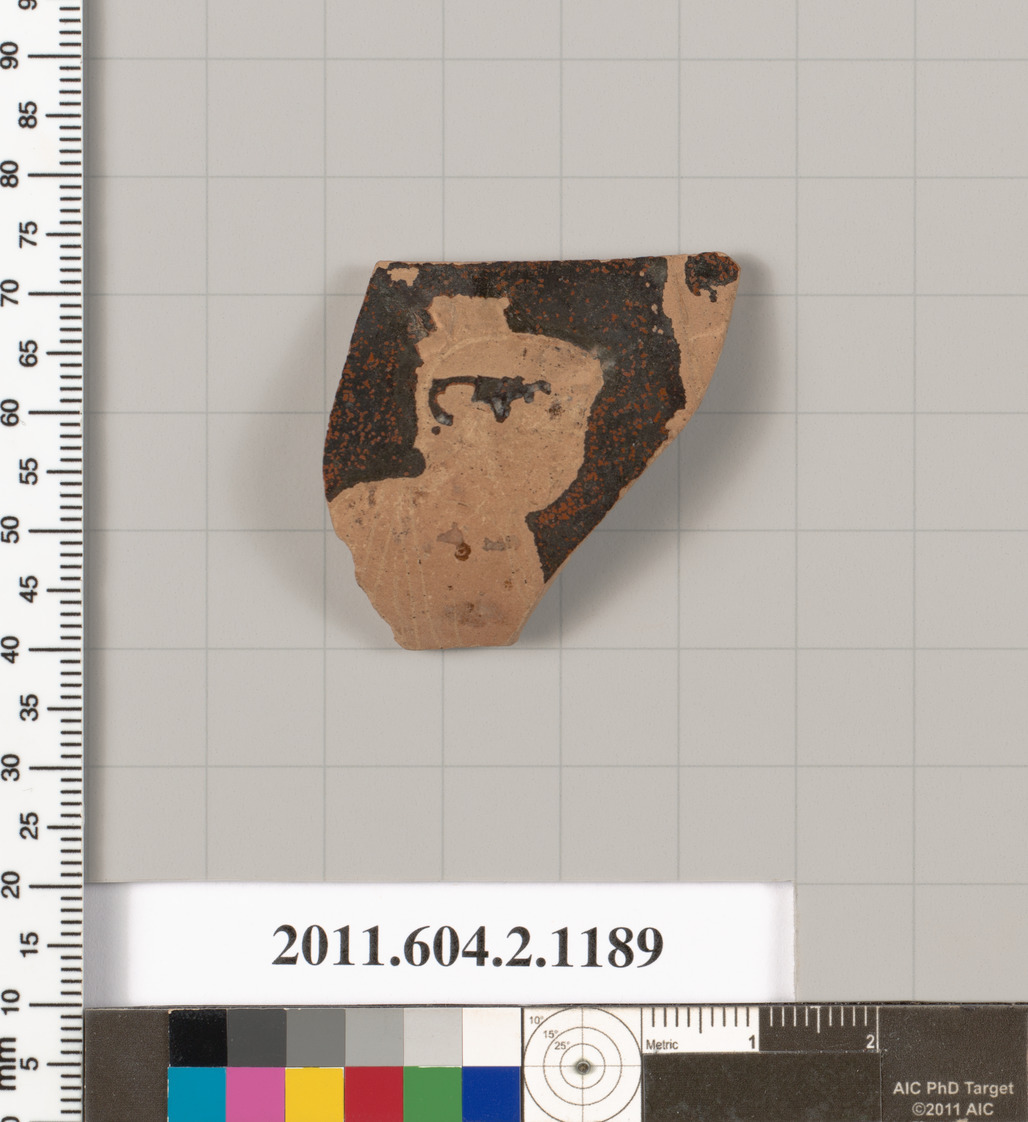
The provided internal genetic code of Lauren Fashion Heritage Lab presents a profound dialectic between Western and Eastern aesthetics, framing a discourse on how material forms become vessels for immaterial spirit. This analysis, however, must engage with a third, more primal artifact: a terracotta fragment from Attic Greece. This unnamed shard, divorced from its original vessel, exists in a state of eloquent ruin. It is neither the theatrical, symbolic density of The Temptation of St. Anthony nor the serene, holistic integrity of Loquat Branch. Instead, it offers a third paradigm—one of fragmented essence, archaeological memory, and the beauty of the partial. It is from this conceptual fragment that we can extrapolate the foundational principles for the 2026 Old Money silhouette, moving beyond mere retrospection to a sophisticated archaeology of form.
The Fragment as Genetic Code: Deconstruction of the Whole
The Attic terracotta fragment is inherently an object of loss and suggestion. Its edges are broken; its original function and complete form are left to scholarly deduction and imaginative reconstruction. This very condition is its generative power. Unlike the complete narratives of the paintings discussed in the genetic code, the fragment operates on the principle of synecdoche—the part implying the whole. The curve of the shard suggests an amphora’s belly or a kylix’s rim; the faint traces of a black-figure glaze hint at a lost narrative. This mirrors the Old Money ethos, which is never about ostentatious display of wealth, but about the subtle implication of a complete, inherited history. A 2026 silhouette informed by this fragment would not replicate historic garments in full, but would deconstruct and present their most evocative "parts": the precise turn of a 1930s jacket’s shoulder seam, the architectural drape of a columnar skirt, the specific proportion of a riding coat’s tail. These become sartorial fragments, where the wearer’s body and demeanor complete the implied, elegant whole.
Patina, Texture, and the Authority of Time
The materiality of terracotta—fired clay—is crucial. It is humble, earthly, and durable. The fragment’s surface bears the patina of millennia: micro-cracks, erosion, and the subtle chromatic shifts induced by burial. This authored decay is the antithesis of mass-produced novelty. It speaks of an authenticity earned through temporal passage. Translating this to the 2026 Old Money silhouette demands a radical rethinking of fabric and finish. We move beyond pristine wool and crisp cotton. Instead, we seek materials that possess an innate narrative of time: heritage-black dyes that are not flat but possess depth and variance, like layers of glaze; woolens and cashmeres with a subtle felted or brushed hand, echoing eroded stone; silks that are matte and paper-like, suggesting aged parchment. The silhouette itself embraces a certain "softness" of structure—not slouchy, but with the authority of a garment that has been worn, cherished, and adapted, its lines relaxed by the patina of imagined use.
Negative Space and the Architecture of Absence
The genetic code brilliantly identifies "留白" (liúbái, leaving blank) as central to the Loquat Branch, where void is active space. The terracotta fragment engages with negative space more literally yet more violently: the space of what is missing. The breakage creates new, accidental silhouettes and reveals the interior wall of the vessel, a hidden surface suddenly exposed. For the 2026 silhouette, this inspires a focus on architectural absence. This could manifest in strategic cut-outs that reveal a foundational layer (like the vessel’s interior), in asymmetric hemlines that suggest a graceful breakage, or in the deliberate use of darts and seams to create shadow-lines that carve negative space into the body’s architecture. The silhouette becomes a study in what is removed as much as what is added, achieving a modern austerity that resonates with the fragment’s stark beauty.
From Conflict and Harmony to Archaeological Synthesis
The genetic code posits a Western "aesthetics of conflict" and an Eastern "aesthetics of harmony." The Attic fragment introduces a third position: an aesthetics of archaeology. It does not stage a spiritual battle within the frame, nor does it seek a seamless unity with nature. It is a relic, a piece of evidence. It acknowledges rupture, history, and the passage of time as constitutive forces of beauty. The 2026 Old Money silhouette, therefore, synthesizes this. It may incorporate the symbolic weight of the West (a severe black coat as a form of armor or discipline) and the contemplative flow of the East (the organic drape of fabric around the body). But it frames them through the lens of the fragment. A tailored wool blazer, impeccably structured (the conflict of form versus body), might be paired with a skirt of fluid, matte silk that echoes the Loquat’s serenity, yet both garments feature raw, self-finished edges or a single, deliberately "repaired" seam—honoring the fragment’s broken edge.
Ultimately, the Attic terracotta fragment teaches that true heritage is not a perfectly preserved specimen in a museum case, but a resonant piece carried forward. For Lauren Fashion’s 2026 vision, the Old Money silhouette is not a costume of a bygone era. It is an archaeologically informed reconstruction of elegance. It is built on the dignity of essential forms (the vessel), the profound beauty of material truth (the clay), and the intellectual poetry of incompleteness (the fragment). The wearer becomes the curator and the site, completing the narrative, bearing the patina of their own history, and carrying forward not a replica, but a profoundly evocative fragment of timeless style.