The Panel: A Study in Silk Damask, Materiality, and the Unspoken Language of Craft
Introduction: The Artifact as Archive
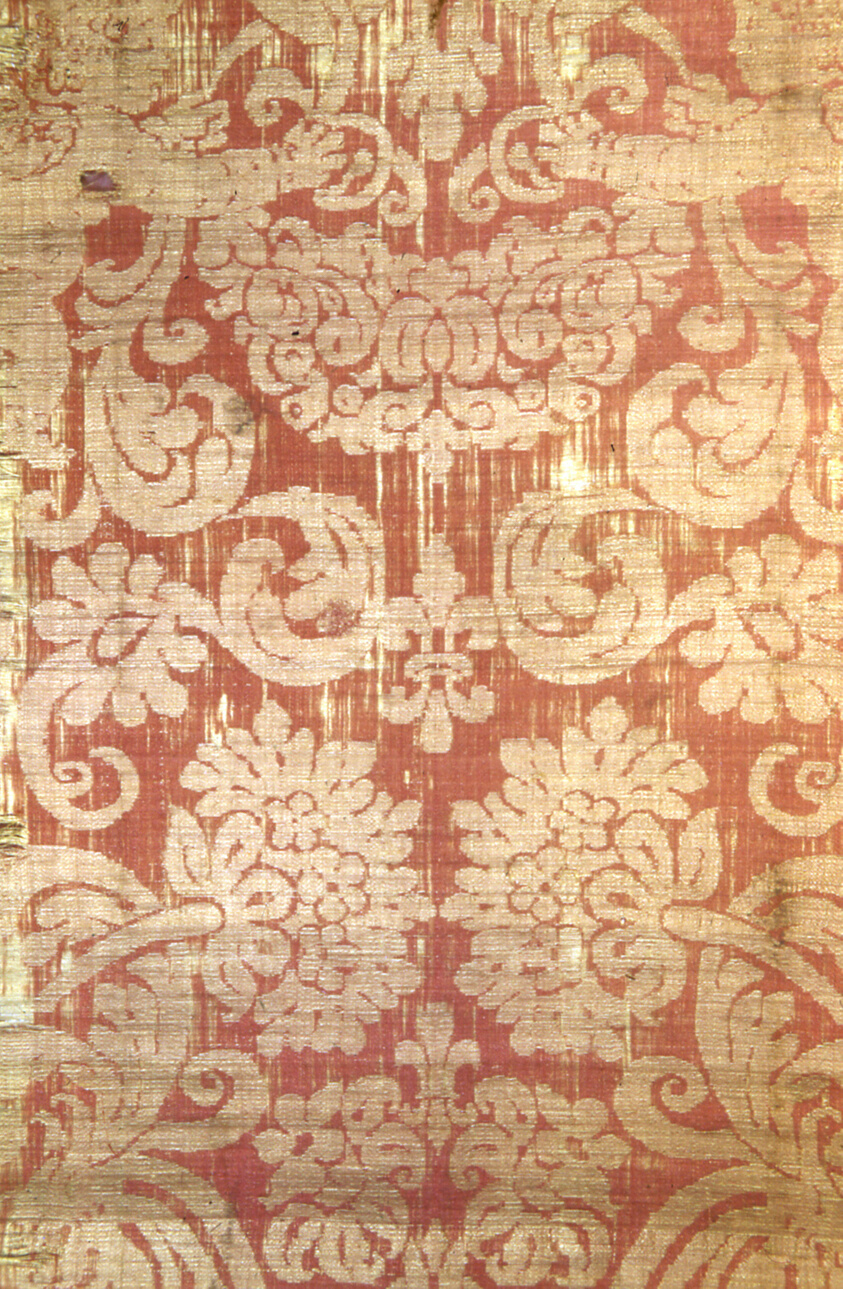
In the hushed ateliers of London’s Savile Row, where the air is thick with the scent of beeswax and the whisper of shears, the heritage artifact known simply as “The Panel” commands a quiet reverence. This is not a garment, nor a swatch destined for a fleeting collection. It is a fragment of a deeper narrative—a 4:1 satin damask weave in pure silk, measuring approximately 60 centimeters by 90 centimeters, its edges raw, its surface a testament to centuries of textile mastery. For the Lauren Fashion Heritage Lab, this panel serves as a primary research artifact, a material document that speaks to the intersection of luxury, technique, and the enduring allure of fluid elegance. To understand this panel is to decode the DNA of classic silk craftsmanship, a language that Savile Row has long spoken with precision and restraint.
The Materiality of Silk: A Foundation of Luxury
Silk, as a fiber, is nature’s paradox: it is simultaneously the strongest natural protein filament and the most delicate in appearance. Derived from the cocoon of the Bombyx mori silkworm, silk’s molecular structure—composed of fibroin and sericin—grants it a tensile strength that rivals steel on a per-weight basis, yet its hand feel is one of unparalleled softness. In the context of this panel, the silk is not merely a substrate; it is the protagonist. The 4:1 satin damask weave amplifies this duality. A satin weave, characterized by its long floats of warp yarns over multiple weft threads, produces a surface that is lustrous, smooth, and reflective. The 4:1 ratio—four warp threads passing over one weft thread—creates a dense, almost liquid sheen that catches light with the subtlety of a calm river. This is not the aggressive shine of synthetic satins; it is a deep, internal glow that shifts with the viewer’s angle, a hallmark of high-grade silk damask.
Damask, as a weave structure, adds a further layer of complexity. It is a figured textile where the pattern is created by the interplay of warp and weft floats, often using a single color to achieve a monochromatic, reversible design. In this panel, the damask pattern is understated—perhaps a repeating geometric motif or a stylized botanical form—rendered invisible at first glance but emerging as the fabric moves. The 4:1 satin base ensures that the pattern is not stark but integrated, like a watermark on fine paper. This is craftsmanship that does not shout; it whispers. For the Savile Row sensibility, this is essential. The panel is not intended for ostentation but for the quiet assertion of quality, a principle that has defined British tailoring since the 19th century.
Classic Silk Craftsmanship: The Art of the Loom
The production of a 4:1 satin damask weave in silk demands a mastery that is increasingly rare. Historically, such textiles were woven on Jacquard looms, where a system of punched cards controlled individual warp threads, allowing for intricate patterns. Today, the process remains a marriage of art and engineering. The silk yarns must be degummed to remove sericin, then dyed with precision to ensure colorfastness. The tension on the warp must be exact—too loose, and the satin floats will pucker; too tight, and the fabric loses its drape. The weaver, often trained in the traditions of Lyon or Como, must monitor the shuttle’s rhythm, ensuring that each weft insertion aligns with the pattern’s integrity. This panel, with its 4:1 ratio, requires a weft density that balances weight with fluidity. The result is a textile that is substantial enough to hold its shape in a tailored jacket yet supple enough to cascade in a gown.
In the context of Lauren Fashion Heritage Lab, this panel is a benchmark for assessing authenticity. It is not a mass-produced commodity but a bespoke artifact, likely woven on a narrow loom for a specific commission. The edges, left raw, reveal the weaver’s hand—the slight irregularities in the selvedge, the subtle variations in thread thickness that signal hand-finishing. These are not flaws; they are signatures. They speak to a time when the loom was an extension of the artisan’s will, and the fabric was a dialogue between human and machine. This is the essence of classic silk craftsmanship: a reverence for process over speed, for quality over quantity.
Fluid Elegance: The Aesthetic Imperative
The term “fluid elegance” is often invoked in fashion discourse, but here it is a material reality. The 4:1 satin damask weave confers a specific drape behavior. When the panel is held at one corner, it falls in soft, continuous folds, without the stiffness of a twill or the rigidity of a plain weave. The long floats of the satin allow the fabric to move as a single, cohesive sheet, while the damask pattern adds a subtle textural variation that prevents monotony. This fluidity is not accidental; it is engineered. The ratio of warp to weft, the density of the silk, and the finishing process—often involving a light calendaring to enhance luster—all contribute to a fabric that feels alive.
In the Savile Row tradition, such a panel might be destined for a evening jacket or a ceremonial waistcoat, where the wearer’s movement animates the textile. The elegance lies in the restraint: the pattern is not printed but woven, the sheen is not glossy but luminous. This is a fabric that rewards close inspection, that reveals its complexity over time. For the heritage researcher, the panel is a lesson in the economics of luxury. It is not about excess but about precision. The fluidity of the silk damask is a metaphor for the fluidity of heritage itself—a continuous thread that connects past and present, artisan and wearer.
Conclusion: The Panel as a Living Document
As a heritage research artifact, this panel of 4:1 satin damask silk transcends its physical form. It is a repository of knowledge: of sericulture, of loom technology, of the cultural values that prize understated elegance. For the Lauren Fashion Heritage Lab, it serves as a reference point for future innovations, a reminder that true luxury is rooted in materiality and craft. In an era of fast fashion and digital simulacra, this panel stands as a quiet testament to the enduring power of silk, the discipline of damask, and the unspoken language of a weave that speaks volumes without uttering a word. It is, in the truest sense, a piece of history that continues to shape the future of fashion.