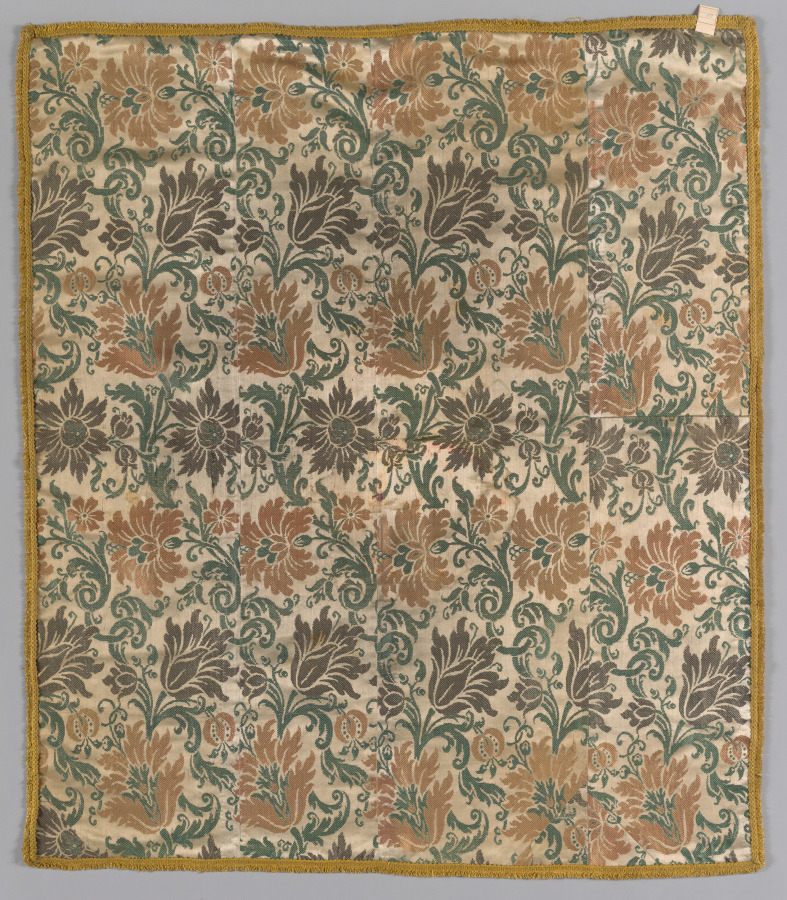
The Enduring Thread: A Heritage Research Artifact on Silk Textile and the Legacy of Imperial Weaving
Introduction: The Materiality of Prestige
Silk, as a material, is not merely a textile; it is a testament to centuries of human ingenuity, imperial ambition, and the relentless pursuit of perfection. In the context of Lauren Fashion Heritage Lab, we approach silk not as a commodity but as a living artifact—a thread that connects the opulent courts of ancient China to the bespoke tailoring houses of London’s Savile Row. This heritage research artifact examines the materiality of silk within the legacy of imperial weaving, exploring how its production, symbolism, and craftsmanship have shaped global fashion narratives. The purpose is to distill the essence of silk’s heritage into actionable insights for contemporary luxury, ensuring that its legacy is preserved, not as a relic, but as a dynamic source of inspiration.
Silk’s materiality is defined by its unique biological origins. Derived from the cocoon of the Bombyx mori silkworm, the fiber is a continuous filament of protein, primarily fibroin, coated in sericin. This composition yields a tensile strength comparable to steel, a natural luster that refracts light with a subtle, iridescent glow, and a thermal regulation that adapts to the wearer’s body. For the imperial weavers of the Ming and Qing dynasties, these properties were not just functional; they were metaphysical. Silk was believed to embody the harmony of heaven and earth, a material conduit for the emperor’s divine mandate. The legacy of imperial weaving, therefore, is not simply about technique but about the imbuing of material with meaning—a philosophy that resonates with Savile Row’s ethos of bespoke craftsmanship, where every garment tells a story of lineage and precision.
The Imperial Legacy: From Forbidden City to Savile Row
The legacy of imperial silk weaving is rooted in the Jiangnan region of China, particularly the cities of Suzhou, Hangzhou, and Nanjing. Here, during the Ming dynasty (1368–1644), the imperial workshops, known as the Jiangning Weaving Bureau, produced silks exclusively for the court. The process was a symphony of specialization: sericulture, reeling, dyeing, and weaving were each governed by strict protocols. The kesi technique, or “cut silk,” involved weaving with fine silk threads on a small loom, creating tapestry-like patterns that mimicked brush paintings. The yun jin, or “cloud brocade,” used gold and silver threads to produce fabrics of such density that they were said to “weigh as much as a cloud.” These textiles were not merely garments; they were symbols of authority, worn by the emperor during rituals, bestowed as gifts to foreign dignitaries, and used in temple ceremonies to honor ancestors.
This imperial legacy was not static. The Silk Road, a network of trade routes spanning from Xi’an to the Mediterranean, facilitated the exchange of silk, ideas, and techniques. By the 17th century, European courts, particularly in France and Italy, began to emulate Chinese silks, integrating motifs such as dragons, phoenixes, and peonies into their own weaving traditions. However, it was in London’s Savile Row, from the 19th century onward, that silk’s imperial heritage found a new, tailored expression. Savile Row tailors, such as Henry Poole & Co. and Gieves & Hawkes, recognized that silk’s materiality—its drape, resilience, and sheen—was ideal for structured garments like waistcoats, cravats, and linings. The legacy of imperial weaving was thus translated into a language of precision: the silk satin for a dinner jacket, the silk faille for a cummerbund, the silk twill for a necktie. Each weave carried the weight of history, yet was adapted to the modern gentleman’s wardrobe.
Materiality in Practice: The Artisan’s Perspective
To understand silk’s materiality within the imperial legacy, one must examine the artisan’s hand. The sericulture process—the cultivation of silkworms—is a delicate balance of temperature, humidity, and timing. The silkworm spins its cocoon over 72 hours, producing a filament that can be up to 1,500 meters long. This filament is then reeled, twisted, and dyed using natural pigments derived from plants, minerals, and insects. For imperial weavers, the dyeing process was a closely guarded secret. The imperial yellow of the Qing dynasty, for instance, was achieved using the gardenia fruit, while cinnabar red came from mercury sulfide. These colors were not just aesthetic; they were coded with social hierarchy. Only the emperor could wear yellow; red was reserved for nobility; blue for scholars.
In the context of Savile Row, this materiality is honored through the selection of silk cloth from mills that still practice traditional techniques. For example, the Stephen Walters & Sons mill in Suffolk, established in 1720, produces silk jacquards using looms that date back to the 19th century. The Vanners Silk Weavers in Sudbury, founded in 1740, specializes in silk taffetas and brocades that replicate 18th-century patterns. These mills maintain the imperial legacy by preserving the warp and weft structures that give silk its characteristic weight and hand. A Savile Row tailor, when handling a bolt of silk, will assess its drape—how it falls from the shoulder—and its recovery—how it returns to shape after being creased. These are the same qualities that imperial weavers prized, as they ensured that a garment would maintain its form during court ceremonies or, in the modern context, during a boardroom meeting.
The Symbolic Thread: Cultural Resonance and Contemporary Relevance
The legacy of imperial silk weaving is not merely technical; it is deeply symbolic. In Chinese culture, silk represents wealth, fertility, and continuity. The dragon robe of the Qing emperor, embroidered with nine dragons amidst clouds and waves, was a microcosm of the universe. The phoenix tail motifs on a bride’s wedding dress signified harmony and prosperity. These symbols were not decorative but communicative, conveying the wearer’s status, aspirations, and lineage. For Savile Row, this symbolic dimension is echoed in the bespoke process. A client’s choice of silk—whether a midnight blue silk velvet for a smoking jacket or a pinstripe silk for a suit lining—is a statement of personal identity. The tailor, like the imperial weaver, must understand the client’s narrative and translate it into fabric.
Today, the legacy of imperial silk weaving faces challenges from mass production and synthetic alternatives. However, the heritage research conducted at Lauren Fashion Heritage Lab underscores the importance of preserving this materiality. By studying historical fragments from the Victoria and Albert Museum or the Palace Museum in Beijing, we can identify the thread count, twist direction, and weave structure that defined imperial silks. These insights inform collaborations with contemporary mills to recreate these textiles, not as exact replicas, but as modern interpretations. For instance, a recent project involved developing a silk matka fabric that mimics the texture of Ming dynasty brocades, using organic dyes and hand-loom techniques. This fabric was then used by a Savile Row tailor to create a three-piece suit for a client who valued both heritage and sustainability.
Conclusion: Weaving the Future
Silk textile, in its materiality and imperial legacy, is a thread that binds the past to the present. For Lauren Fashion Heritage Lab, our role is to ensure that this thread remains unbroken. By documenting the techniques, symbols, and cultural contexts of imperial silk weaving, we provide a foundation for innovation. The Savile Row tone—characterized by understated elegance, precision, and a reverence for tradition—serves as a guide. We do not seek to replicate the Forbidden City; we seek to translate its essence into garments that are worn, cherished, and passed down. The legacy of imperial silk weaving is not a museum piece; it is a living practice, waiting to be rewoven by the hands of artisans, scholars, and clients who understand that true luxury is not about opulence but about meaning. In the end, silk is not just a fiber; it is a story—and we are its custodians.