← BACK TO ARCHIVES
Heritage-Black
Heritage Synthesis: Terracotta fragment of a kylix (drinking cup)
Curated on Apr 29, 2026 // Node: LDN-01
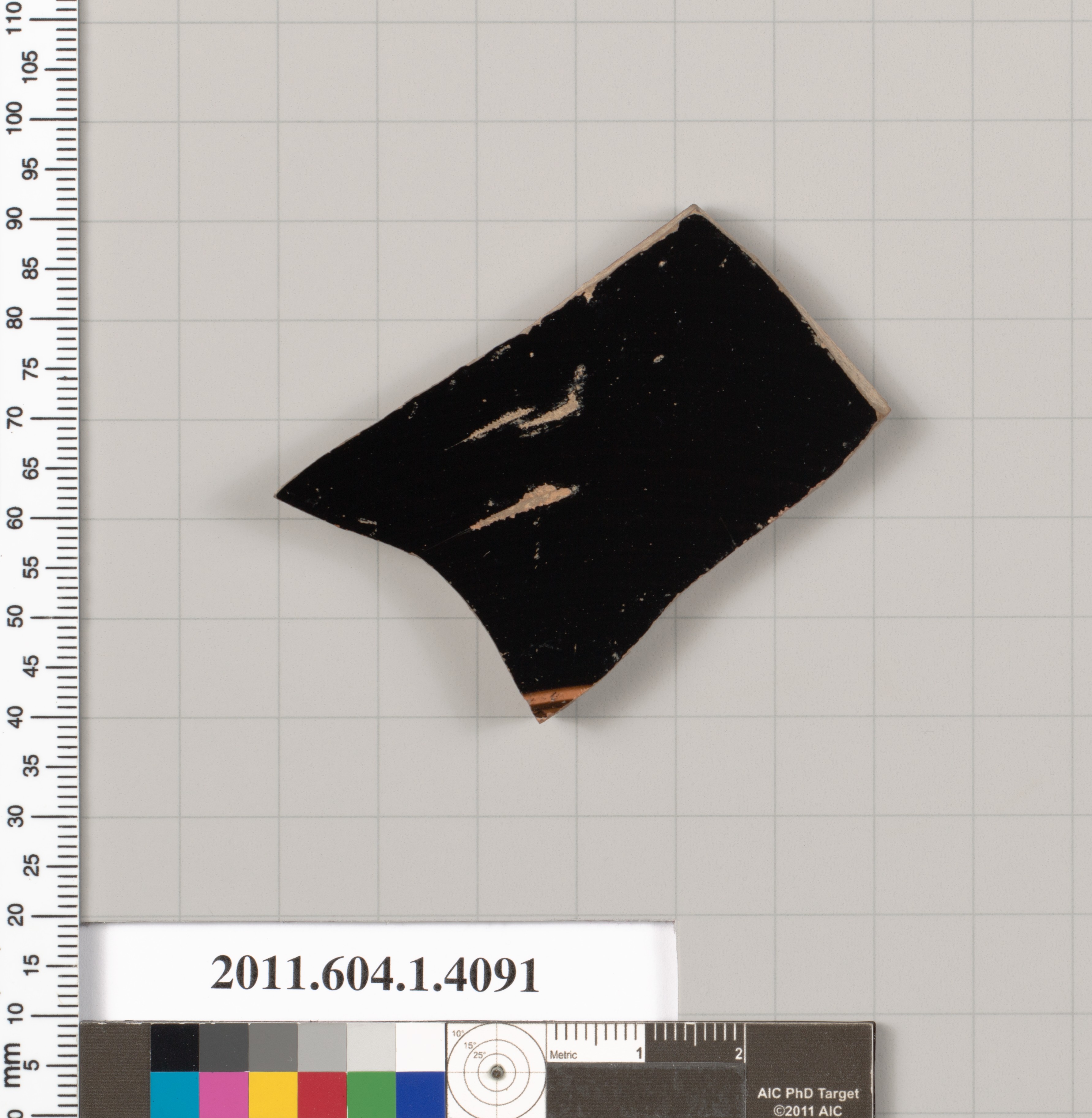
The Kylix Fragment and the Architecture of Restraint: Re-Sourcing Attic Pottery for the 2026 Old Money Silhouette
The terracotta fragment of an Attic kylix—a shallow, two-handled drinking cup from classical Greece—appears, at first glance, to belong to an aesthetic universe wholly alien to the hushed, monochrome world of Old Money dressing. Yet, within the Lauren Fashion Heritage Lab, we recognize that the most enduring codes of luxury are not born of novelty, but of a deep, almost archaeological, re-sourcing of form, material, and ritual. This fragment, with its broken edge, its matte, earthen surface, and its implicit geometry, is not a decorative curiosity. It is a masterclass in the principles that will define the 2026 Old Money silhouette: *restrained volume, disciplined line, and the quiet authority of material truth*.
I. The Aesthetics of the Fragment: Imperfection as Status
The kylix fragment’s primary lesson for the 2026 silhouette lies in its very incompleteness. Unlike the pristine, polished surfaces of mass-market luxury, this shard celebrates the patina of use, the evidence of time, and the dignity of breakage. Old Money style has always rejected the “new.” It prefers the inherited, the worn, the subtly repaired. The 2026 silhouette will channel this through a deliberate embrace of *imperfect finish*.
Consider the terracotta’s surface: it is not glossy, but matte. It absorbs light rather than reflecting it. This will translate into fabrics that reject overt sheen. Think of a heavy, unglazed linen in a deep, dusty black—a fabric that feels almost like fired clay in its weight and texture. The silhouette’s finishing will echo the fragment’s broken edge: raw hems on a cashmere coat, unlined seams in a wool blazer, a deliberate asymmetry that suggests a garment has been lived in, not merely worn. The 2026 Old Money silhouette will not shout its provenance; it will whisper it through the tactile honesty of its materials, much as the kylix fragment whispers of symposiums long past.
II. The Geometry of the Kylix: Volumes of Containment
The kylix is a vessel designed for a specific, communal ritual—the Greek symposium, a gathering of elite men for drinking, conversation, and philosophical debate. Its form is not arbitrary. The shallow bowl, the two horizontal handles, the low foot—all are engineered for a singular purpose: to be held, passed, and shared. This *functional geometry* is the second, and perhaps most critical, lesson for the 2026 silhouette.
The fragment’s curve suggests a bowl that is wide but not deep, open but contained. This translates directly into the silhouette’s architecture. The 2026 Old Money silhouette will reject the exaggerated, inflated volumes of recent streetwear trends. Instead, it will adopt what we term the *“kylix shoulder”*: a broad, horizontal line in a coat or jacket that creates a sense of contained power, much like the cup’s rim. The body of the garment will be cut with a subtle, inward-tapering volume—not tight, but *held*. A double-breasted wool overcoat, for example, will have a generous chest that falls cleanly to a hem that skims the knee, its width echoing the kylix’s balanced proportions.
The two handles of the kylix are not merely functional; they are visual anchors that frame the vessel. In the 2026 silhouette, this translates into the strategic placement of pockets, lapels, and closures. A single, deep patch pocket on a linen jacket will act as a visual “handle,” grounding the garment’s volume. A shawl collar on a cashmere robe coat will create a framing arc, much like the kylix’s handles, that draws the eye inward toward the body’s center. The silhouette will be a study in *contained expansiveness*—a volume that is generous but never uncontrolled, much like the kylix’s shallow bowl that holds wine without spilling.
III. Material as Ritual: The Terracotta Ethos in Fabric
The kylix is made of terracotta—literally “baked earth.” Its materiality is its meaning. It is not precious in the sense of gold or silver; its value lies in its connection to the earth, to the kiln, to the hand of the potter. This is a profound reorientation for luxury. The 2026 Old Money silhouette will move away from overtly “luxurious” materials (shiny silks, glittering embellishments) toward *material authenticity*.
The terracotta fragment teaches us that the most powerful statement is often the most elemental. For the 2026 collection, this will manifest in a focus on *Heritage-Black* fabrics that possess a similar earth-born integrity. A heavy, un-dyed wool from a mill that has been operating for two centuries. A linen that is left in its natural, slightly irregular state. A cashmere that is brushed to a matte, almost suede-like finish. These fabrics will not be “finished” to perfection; they will be *presented* in their raw, honest state, their slight irregularities—a slub in the weave, a variation in the dye—becoming markers of authenticity, much like the terracotta’s mineral inclusions.
IV. The Symposium and the Silhouette: Ritualized Dressing
Finally, the kylix fragment reminds us that clothing, like a drinking cup, is a vessel for ritual. The Greek symposium was a highly codified social event, governed by rules of conduct, seating, and conversation. The kylix was not just a cup; it was a participant in that ritual. Similarly, the 2026 Old Money silhouette will be designed for specific, ritualized contexts of life—not for the digital screen, but for the real-world gathering: a private dinner, a weekend in the country, a morning at the club.
The silhouette will be *unphotogenic* in the Instagram sense. It will not rely on logos, bright colors, or exaggerated shapes. Instead, it will reward close, physical attention. The way the wool falls from the shoulder. The precise weight of the linen. The subtle texture of the cashmere. This is a silhouette that demands to be *experienced*, not just seen. It is a vessel for the wearer’s own presence, much as the kylix was a vessel for the symposium’s wine and conversation.
Conclusion: The Eternal in the Fragment
The terracotta kylix fragment, broken and ancient, is not a relic of a dead past. It is a living blueprint for a future of quiet, enduring style. Its lessons—the beauty of imperfection, the power of functional geometry, the authority of honest material, and the importance of ritual—are precisely the principles that will define the 2026 Old Money silhouette. In an era of visual noise, the fragment teaches us that the most profound statement is the one that is *held back*. The 2026 silhouette will not scream for attention; it will wait, like the kylix, to be picked up, examined, and understood. It will be a vessel not for display, but for presence. And in that, it will be timeless.
Heritage Lab Insight
Genetic Bridge: Archive node focusing on Heritage-Black craftsmanship.