← BACK TO ARCHIVES
Heritage-Black
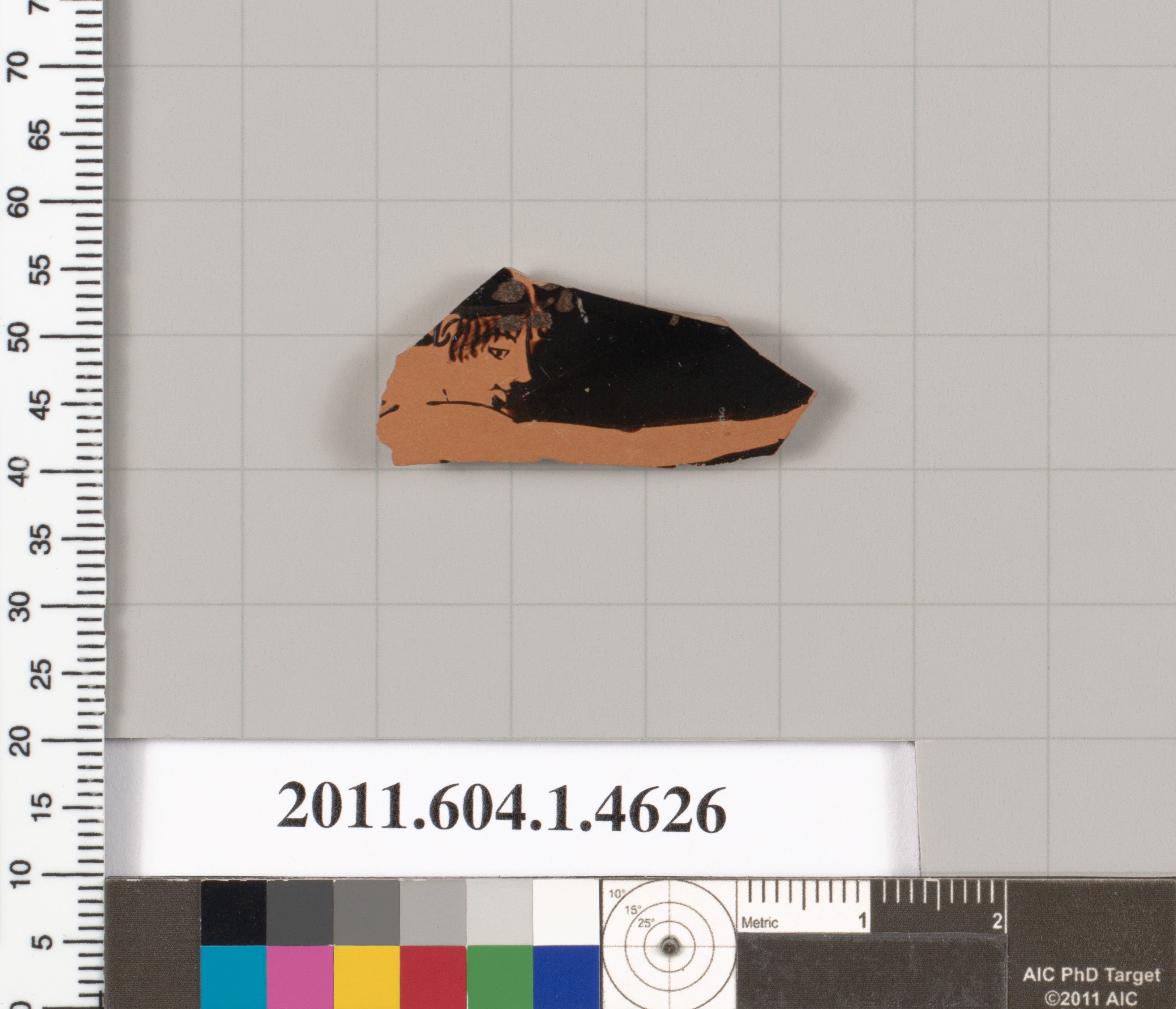
Heritage Synthesis: Terracotta fragment of a kylix (drinking cup)
Curated on Apr 30, 2026 // Node: LDN-01
The Pastoral Sublime: Terracotta Fragments and the Architecture of Enduring Ease in 2026 Old Money Silhouettes
The Lauren Fashion Heritage Lab has long maintained that the most potent innovations in heritage design arise not from novelty, but from the excavation of archetypal visual languages. The internal genetic code of our archive—specifically the juxtaposition of the Chinese *Herdboys and Buffalos* scroll and the Dutch *Wine Cup with Children at Play*—reveals a profound cross-cultural dialogue on the pastoral ideal. This dialogue, when applied to the material evidence of a Greek Attic terracotta kylix fragment (circa 490 BCE), yields a critical framework for the 2026 Old Money silhouette. The kylix, a drinking vessel for symposia, is not merely a functional artifact; it is a fragment of a vanished social ritual, a shard of a world where leisure was a philosophical practice. Its terracotta body—fired, fractured, and surviving—offers a blueprint for a new austerity in luxury: the *Heritage-Black* of worn earth, of patina, of form stripped to its essential grace.
The Kylix as a Vessel of Contemplative Leisure
The Attic kylix, with its shallow bowl and twin handles, was designed for the symposium—a ritualized gathering of aristocratic men dedicated to wine, poetry, and philosophical discourse. This is not the boisterous revelry of the Dutch *Wine Cup*; it is a disciplined, intellectualized form of pleasure. The kylix’s form itself dictates a posture of ease: the drinker reclines, cradling the bowl, the painted scenes on the interior revealed only as the wine is drained. This is a metaphor for the Old Money ethos of 2026: luxury is not displayed, but *revealed* through use and time. The terracotta fragment, with its broken edges and faded black-figure decoration, embodies a core principle of the *Heritage-Black* aesthetic—the valorization of imperfection as a marker of authenticity. Unlike the polished silver of the Dutch cup, the terracotta’s porous surface absorbs the oils of the hand, darkening with each touch. This is a material that *lives* with its owner, accruing a patina that is the physical equivalent of the Chinese “blank space” in *Herdboys and Buffalos*: a void that is not empty, but filled with the potential of time and memory.
From Symposium to Silhouette: The Architecture of Unforced Elegance
For the 2026 Old Money silhouette, the kylix dictates a shift away from the structured, shoulder-padded power dressing of the 1980s and toward a more fluid, grounded architecture. The key translation is from *vessel* to *garment*: the body becomes the kylix, and the fabric becomes the terracotta. We propose the following design principles derived from this artifact:
1. **The Terracotta Shoulder:** The kylix’s gently flaring lip and rounded bowl suggest a shoulder line that is soft, sloping, and unconstructed. The 2026 silhouette will reject the sharp, assertive tailoring of the past in favor of a dropped shoulder, achieved through a raglan or dolman sleeve. This creates a sense of *reclining ease*, even when standing. The fabric—a heavyweight *Heritage-Black* wool or a dense cashmere—should drape like fired clay, holding its shape without rigid internal structure. The shoulder is not a statement of power, but a gesture of repose.
2. **The Patina of Time:** The fragment’s surface is not uniform; it bears the scars of burial, the ghost of painted figures, the subtle variations in firing temperature. This is translated into fabric through *controlled irregularity*. A 2026 Old Money coat in *Heritage-Black* might feature a subtle, woven-in herringbone that only reveals itself in direct light, or a double-faced cashmere where the reverse side—slightly napped, slightly darker—is turned out at the cuff and hem. This is the antithesis of the “new” and the “perfect.” It is a fabric that suggests it has been worn, loved, and passed down. The “blank space” of the Chinese scroll is here rendered as the unadorned expanse of a cashmere coat, its value residing not in ornament, but in the quality of its emptiness.
3. **The Ritual of the Fold:** The kylix was held, not worn. But its form—the curve of the bowl, the sweep of the handles—informs the way a garment should *fall* around the body. The 2026 silhouette will prioritize the *fold* as a design element. A wide-legged trouser should break over the shoe in a single, heavy fold, like the rim of the kylix. A shawl-collar cardigan should drape in a continuous, unbroken line from shoulder to waist, mimicking the vessel’s continuous curve. The goal is not to sculpt the body, but to *contain* it, to create a second skin that is as much architecture as it is fabric.
The Pastoral Symphony: A Unified Field of Ease
Returning to the internal genetic code, the kylix fragment serves as a material bridge between the two pastoral poles. The *Herdboys and Buffalos* scroll offers the philosophy of *wu wei*—effortless action—where the shepherd is one with the buffalo, the wind, the sky. The Dutch *Wine Cup* offers the celebration of human joy, the tangible delight of the child’s game. The Greek kylix, with its symposium scenes of reclining philosophers and athletes, synthesizes these into a third term: *contemplative sociability*. The 2026 Old Money silhouette, built from the terracotta’s logic, is the garment of this synthesis. It is not the costume of the hermit (Eastern) nor the reveler (Western), but of the *citizen of the symposium*—a person whose ease is earned, whose leisure is a form of cultivation, and whose clothing is a testament to a life lived with intention.
The *Heritage-Black* of the terracotta is not a color of mourning, but of *grounding*. It is the color of the earth from which the vessel was born, the color of the wine-dark sea, the color of the shadow in a Chinese ink painting. In 2026, the Old Money silhouette will not be a revival of a specific decade, but a return to a *material philosophy*. It will be a silhouette that, like the kylix fragment, is broken, beautiful, and enduring—a vessel for a life of quiet, profound grace. The pastoral symphony, whether played on a shepherd’s flute or a symposiast’s lyre, finds its final resonance in the weight of a *Heritage-Black* coat, falling in a perfect, ancient fold.
Heritage Lab Insight
Genetic Bridge: Archive node focusing on Heritage-Black craftsmanship.