The Absent Signifier: Terracotta Fragment, the Udumbara Plaque, and the Architecture of Old Money Silhouettes for 2026
In the heritable lexicon of Lauren Fashion, the concept of “Heritage-Black” is not a color. It is a condition—a state of material and philosophical density that absorbs light, time, and narrative. To understand how a Terracotta fragment of an Attic amphora (Greek, c. 5th century BCE) can inform the 2026 Old Money silhouette, one must first engage with two seemingly disparate artifacts: the “Udumbara Flowers” (Udonge) Temple Plaque from a Kyoto temple, and Piero della Francesca’s The Hunt. Both, like the terracotta shard, operate in the liminal space between presence and absence, between the tangible and the imagined. The 2026 silhouette, as a heritage research artifact, must be constructed not from novelty, but from the architecture of what is withheld.
The Terracotta Fragment: A Vessel of Absence
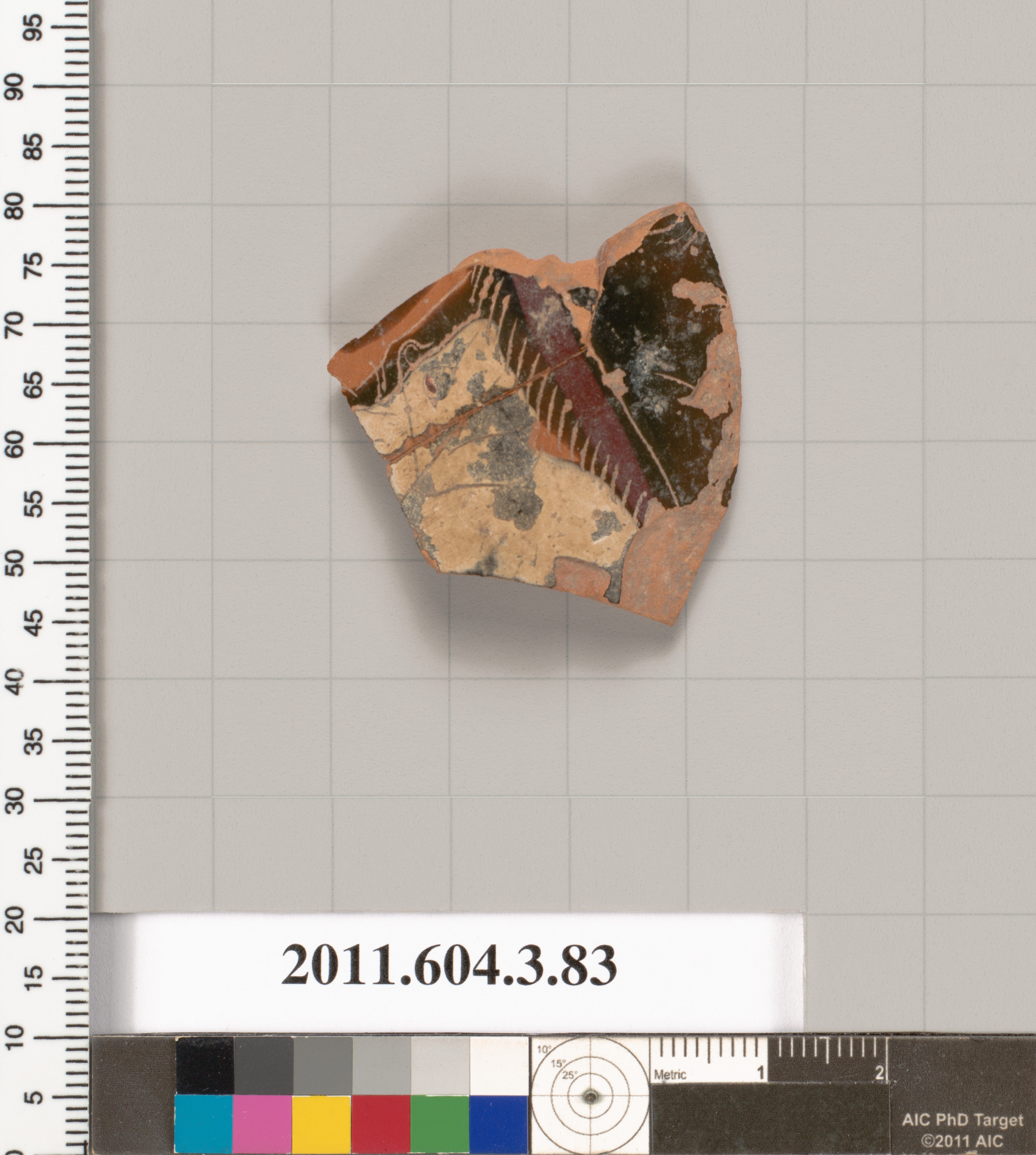
The museum artifact—a terracotta fragment of an Attic amphora—is not a whole vessel. It is a broken curve, a remnant of a container that once held oil, wine, or grain. Its value lies not in its completeness, but in its indexicality: it points to a form that no longer exists. The fragment’s surface bears the trace of a potter’s wheel, the faint incised lines of a lost decorative frieze, and the patina of millennia. In the context of Lauren Fashion’s 2026 Old Money silhouettes, this fragment becomes a material metaphor for the garment’s relationship to time. Old Money dressing is not about the new; it is about the patina of inheritance. The terracotta fragment teaches us that the most powerful silhouette is one that appears to have been excavated from a lineage, not designed for a season.
Just as the Udumbara plaque bears the name of a flower that never blooms, the terracotta fragment bears the memory of a vessel that no longer holds. The 2026 silhouette must similarly hold absence. This manifests in the unstructured shoulder—a line that suggests a former structure now relaxed, like a clay rim softened by erosion. It appears in the draped neckline that falls as if the fabric has been worn for generations, its tension released. The silhouette is not fitted; it is settled. The fabric—whether wool, cashmere, or Heritage-Black silk—must carry the weight of a history that is implied, not declared.
The Udumbara Plaque: The Signifier of the Unseen
The Kyoto plaque, with its gilded characters “優曇華” (Udonge), is a masterclass in negative theology applied to material culture. It names a flower that, according to Buddhist tradition, blooms only once every three thousand years—and even then, it is said to be invisible to the unworthy eye. The plaque does not depict the flower; it invokes it through absence. As the aesthetic philosopher Arthur Danto articulated, the “artworld” confers status upon an object not through its physical properties, but through its contextual framing. The Udumbara plaque inverts this: it frames an absence, making the unseen the central subject.
For the 2026 Old Money silhouette, this principle translates into the power of the unadorned. The Heritage-Black wool coat, for example, must not rely on visible logos, embroidery, or even distinct tailoring. Instead, its power lies in the negative space of the silhouette—the way the fabric falls away from the body, the silence of the seam. The garment becomes a plaque that names a status that is never displayed. The wearer does not announce wealth; they withhold it. The silhouette is a container for an invisible flower—a lineage that is felt, not seen.
The Hunt by Piero della Francesca: The Geometry of Suspended Time
Piero della Francesca’s The Hunt (c. 1460) depicts a scene of pursuit: medieval horsemen, hounds, and a deer in a forest. Yet the painting’s genius is not narrative. It is temporal suspension. The figures are frozen in a crystalline geometry of light and shadow. The hunt is not about the capture of the deer; it is about the capture of a moment before it vanishes. The artist’s true quarry is time itself.
This principle is essential for the 2026 silhouette. Old Money dressing is, at its core, a strategy against obsolescence. The silhouette must resist the seasonal churn of fashion. It must appear as if it has always existed and will always exist. The terracotta fragment, the Udumbara plaque, and The Hunt all share a commitment to permanence through restraint. For the 2026 collection, this means a silhouette that is geometric rather than organic. The shoulder line is a straight, unbroken horizontal. The hem falls at a precise, unvarying length. The waist is defined not by a belt, but by the negative space between the bodice and the skirt—a void that suggests a former cinch, now released. The silhouette is a frozen gesture, like the hunter’s arrow suspended mid-flight.
Synthesis: The 2026 Silhouette as a Terracotta Vessel
The 2026 Old Money silhouette, informed by these three artifacts, is not a garment. It is a vessel for lineage. It is constructed from materials that age well—Heritage-Black wool, cashmere, and silk—but its true material is time. The silhouette must appear as if it has been passed down through generations, its shape softened by wear, its color deepened by light. It must hold absence: the absence of logos, of trend, of novelty. It must name the unseen: the wealth that is never spoken, the history that is never displayed. And it must suspend time: the silhouette must resist the forward rush of fashion, remaining static, eternal, like the figures in The Hunt.
In practice, this means a 2026 collection that prioritizes the fragment over the whole. A jacket cut from a single piece of fabric, its seams minimal, its structure implied rather than enforced. A dress that drapes as if it were a shard of a larger, lost garment. A coat that falls in a single, unbroken line from shoulder to hem, like the curve of the terracotta amphora. The palette is Heritage-Black, but also the terracotta of the earth—the deep ochre, the burnt sienna, the ash gray of ancient clay. These are not colors; they are patinas.
The 2026 Old Money silhouette is, ultimately, a philosophical object. It does not seek to be seen; it seeks to be sensed. Like the Udumbara flower, it blooms only in the mind of the beholder. Like the terracotta fragment, it holds the memory of a whole. Like The Hunt, it freezes time. The wearer of this silhouette is not dressed; they are inscribed into a lineage. The garment is not worn; it is inhabited. And in that inhabitation, the absent flower finally opens—not on the fabric, but in the space between the garment and the gaze.