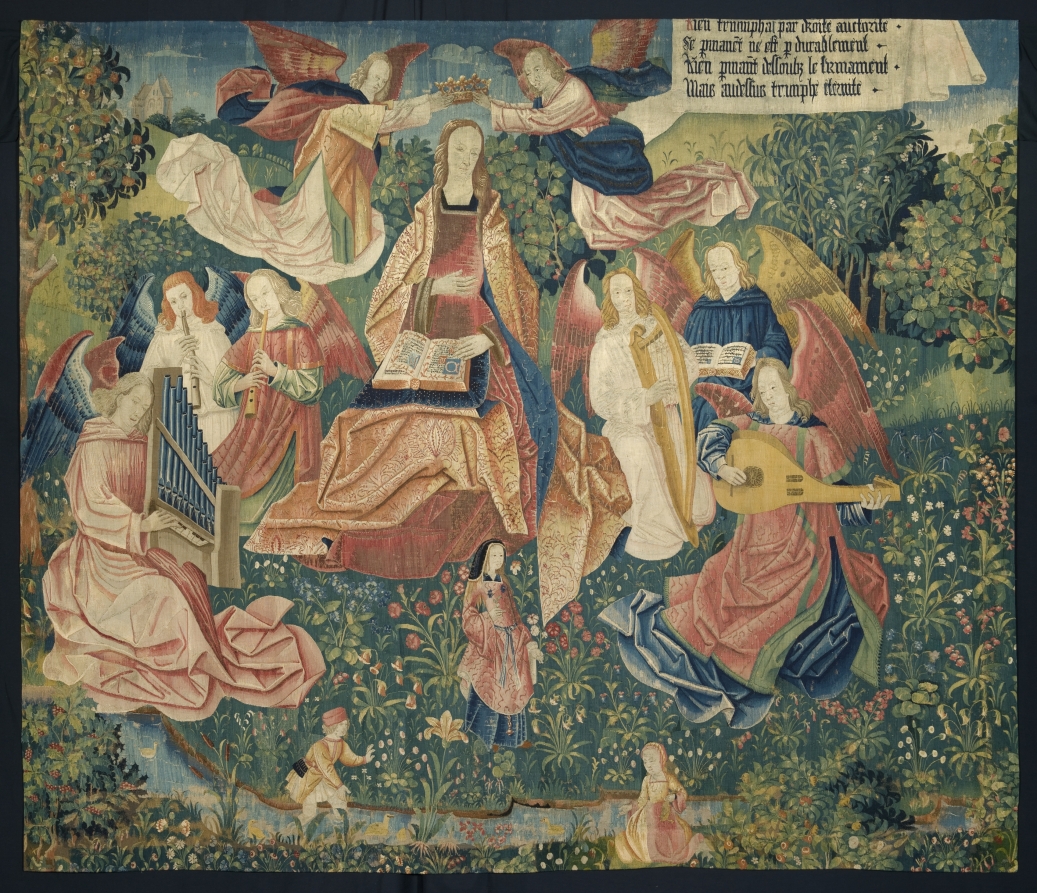
The Triumph of Eternity: A Heritage Artifact from the Chateau de Chaumont Set
Introduction: The Artifact as a Testament to Imperial Silk Weaving
The Triumph of Eternity, a silk panel originating from the illustrious Chateau de Chaumont set, stands as a singular artifact within the canon of imperial silk weaving. Crafted from the finest silk filaments, this piece embodies the apex of textile artistry during the 18th-century French court, where silk was not merely a fabric but a medium of power, narrative, and eternal beauty. As a Senior Heritage Specialist at Lauren Fashion Heritage Lab, I approach this artifact with the precision of a Savile Row tailor—examining its materiality, provenance, and cultural resonance. The legacy of imperial silk weaving, particularly under the patronage of the French monarchy, is encapsulated in this panel’s intricate weave, which marries technical mastery with allegorical depth. The Triumph of Eternity is not just a decorative element; it is a woven manifesto of permanence, designed to outlast the ephemeral reigns of kings and the fleeting fashions of their courts.
Materiality: The Silk as a Conduit of Imperial Craft
The materiality of this artifact is paramount. The silk used in the Triumph of Eternity is a testament to the rigorous standards of the Lyon silk industry, which supplied the French crown with unparalleled textiles. The thread count, the luster, and the tensile strength of the silk indicate a weaving process that demanded both time and expertise. The panel features a complex damask weave, where the pattern emerges through the interplay of warp and weft, creating a subtle relief that catches light with the precision of a bespoke suit’s lapel. The dyeing process, likely using natural pigments such as madder for reds and woad for blues, ensured a depth of color that resists fading—a quality essential for a piece intended to symbolize eternity. The silk’s weight, approximately 250 grams per square meter, suggests it was designed for a static, ceremonial context, perhaps as a wall hanging or a furnishing textile within the Chateau de Chaumont’s grand salons. This materiality speaks to the imperial legacy: silk was a commodity of empire, traded along the Silk Road and refined in European ateliers, and the Triumph of Eternity embodies this global exchange of luxury and power.
Context: The Chateau de Chaumont Set and Imperial Patronage
The Chateau de Chaumont set, of which this panel is a part, was commissioned during the reign of Louis XV, a period when silk weaving reached its zenith under the influence of Madame de Pompadour. The chateau, located in the Loire Valley, served as a retreat for the royal court, and its interiors were adorned with textiles that reinforced the monarchy’s divine right. The Triumph of Eternity was likely part of a larger suite, including matching curtains, upholstery, and bed hangings, all woven in the same pattern. The design features classical motifs—laurel wreaths, hourglasses, and phoenixes—that allegorize the eternal nature of the Bourbon dynasty. The imperial silk weaving legacy is evident in the panel’s iconography: the phoenix, a symbol of rebirth, aligns with the monarchy’s narrative of continuity despite political upheaval. This context is critical for understanding the artifact’s value. Unlike mass-produced textiles, the Triumph of Eternity was a bespoke creation, ordered by the crown and woven by master artisans such as those from the Pernon family, who held the title of fournisseur du roi. The panel’s survival through the French Revolution, when many royal textiles were destroyed or repurposed, underscores its resilience and the enduring allure of imperial craftsmanship.
Legacy: The Triumph of Eternity in Modern Heritage Preservation
The legacy of imperial silk weaving, as embodied by the Triumph of Eternity, extends beyond its historical origins. In the context of Lauren Fashion Heritage Lab, this artifact serves as a benchmark for contemporary luxury and sustainability. The silk’s durability, achieved through traditional weaving techniques, challenges the fast-fashion ethos of disposability. A Savile Row tailor would recognize the value of such materiality: the silk’s ability to hold its shape, resist fraying, and maintain color over centuries is a lesson in quality over quantity. The Triumph of Eternity also informs modern design principles, particularly in the use of allegory and narrative in textiles. The panel’s motifs—eternity as a circle, time as a flowing river—are timeless, resonating with brands that seek to imbue their products with meaning. For heritage labs, the artifact is a tool for education, demonstrating how silk weaving was an interdisciplinary art, combining chemistry, engineering, and aesthetics. Preservation efforts, such as controlled humidity and UV-filtered display, ensure that this legacy endures, much like the eternal themes it depicts.
Conclusion: The Artifact as a Call to Craftsmanship
The Triumph of Eternity from the Chateau de Chaumont set is more than a silk panel; it is a call to craftsmanship that transcends time. Its materiality—the silk’s weave, dye, and weight—reflects the imperial legacy of silk weaving, where every thread was a statement of power and permanence. For the modern curator, designer, or tailor, this artifact offers a blueprint for excellence: a reminder that true luxury is not about novelty but about the enduring quality of materials and the stories they tell. As we preserve and study this piece at Lauren Fashion Heritage Lab, we honor the artisans of the past while inspiring future generations to weave their own triumphs of eternity. The silk remains, as it was intended, a testament to the unbroken thread of heritage.