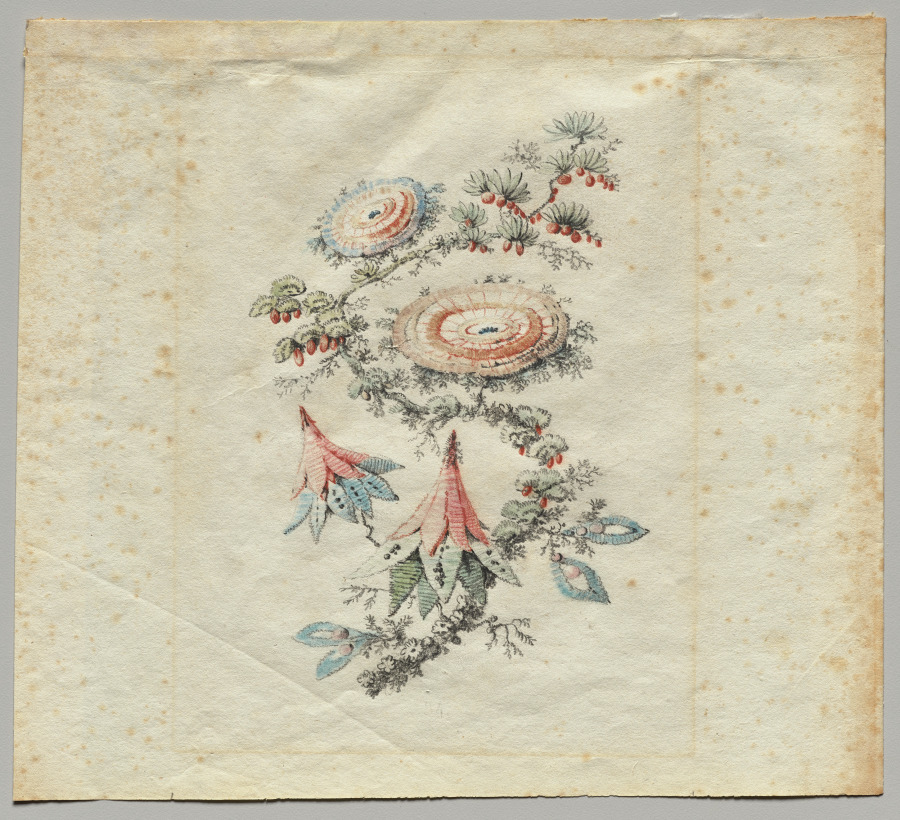
Heritage Research Artifact: The Lyonnaise Silk Flower Embroidery Design
Executive Summary
This artifact examines the intricate relationship between flower embroidery design and the materiality of silk within the historical context of the Imperial Silk Manufactory of Lyon. As a Senior Heritage Specialist at Lauren Fashion Heritage Lab, I present this analysis to underscore the enduring legacy of Lyonnaise silk weaving—a tradition that has shaped the very fabric of luxury fashion. The flower embroidery design, executed on silk, is not merely decorative; it is a testament to the technical mastery and aesthetic sophistication that defined the silk manufactory’s output from the 17th to the 19th centuries. This paper explores the materiality of silk as a substrate for embroidery, the design evolution of floral motifs under imperial patronage, and the implications for contemporary heritage preservation and luxury craftsmanship.
The Materiality of Silk: A Foundation for Embroidery
Silk, as a material, possesses unique properties that elevate embroidery from craft to art. Its natural luster, tensile strength, and ability to absorb dyes with exceptional clarity make it an ideal canvas for intricate floral designs. In the context of the Lyon silk manufactory, the materiality of silk was not incidental; it was central to the manufactory’s reputation for producing the finest textiles in Europe. The Imperial Silk Manufactory, established under Louis XIV and later revitalized under Napoleon, demanded that every thread meet rigorous standards. The silk used for flower embroidery was typically a satin-weave or taffeta, chosen for its smooth surface, which allowed embroiderers to execute fine details without distortion. The weight of the silk—often between 60 and 100 grams per square meter—provided sufficient body to support dense embroidery while maintaining a fluid drape. This balance between structure and suppleness was critical, as the embroidered flowers needed to appear lifelike, with petals that seemed to float on the fabric’s surface.
The materiality of silk also influenced the embroidery techniques employed. The Lyonnaise embroiderers favored point de tige (stem stitch) and point de chaînette (chain stitch) for outlining petals, while point de satin (satin stitch) was used to fill larger areas with color. These stitches, when executed on silk, created a play of light that mimicked the natural sheen of flower petals. The use of silk threads—often dyed with natural pigments from madder, indigo, and cochineal—further enhanced the three-dimensional effect. The result was an embroidery that appeared to bloom from the fabric, a hallmark of Lyonnaise craftsmanship.
Flower Embroidery Design: Imperial Patronage and Botanical Precision
The flower embroidery designs of the Lyon silk manufactory were deeply influenced by imperial patronage. Under Louis XIV, the manufactory produced textiles for the Palace of Versailles, where floral motifs symbolized the king’s dominion over nature. By the 18th century, the designs evolved to reflect the Rococo fascination with asymmetry and naturalism, as seen in the works of designer Jean Revel, who pioneered the “point de nuance” technique to create gradations of color. Under Napoleon, the manufactory revived classical motifs, incorporating laurel wreaths and roses to evoke imperial grandeur. The flower embroidery design, therefore, was not static; it adapted to the political and aesthetic currents of the time, yet always retained a botanical precision that distinguished Lyonnaise work from other European silk centers.
The design process began with a cartoon—a full-scale drawing on paper—that was transferred to the silk using a pouncing technique. The embroiderer then selected threads to match the natural hues of the flowers, often using up to 20 shades for a single rose. The most common floral motifs included roses, lilies, tulips, and carnations, each chosen for their symbolic resonance. Roses represented love and power, lilies purity and royalty, tulips exoticism, and carnations devotion. The arrangement of these flowers was carefully orchestrated to create a balanced composition, often with a central bloom surrounded by smaller buds and leaves. The embroidery was typically confined to the borders or center of the fabric, leaving areas of plain silk to showcase the material’s luster. This restraint was a mark of sophistication, ensuring that the embroidery enhanced rather than overwhelmed the silk.
The Legacy of Imperial Silk Weaving: Preservation and Contemporary Relevance
The legacy of imperial silk weaving in Lyon is preserved through institutions such as the Musée des Tissus and the Lauren Fashion Heritage Lab, which maintain archives of original designs and samples. These artifacts are studied not only for their historical significance but also for their technical insights. The flower embroidery designs, in particular, offer a blueprint for contemporary luxury fashion. The use of silk as a material for embroidery remains relevant today, as designers seek to reconnect with artisanal techniques that prioritize quality over mass production. The Lyonnaise emphasis on botanical precision and material integrity aligns with the values of modern heritage brands, such as those on London’s Savile Row, where craftsmanship is paramount.
For the Lauren Fashion Heritage Lab, the study of these artifacts informs our approach to heritage preservation. We advocate for the digitization of original designs, the training of new artisans in traditional embroidery techniques, and the use of ethically sourced silk. The flower embroidery design of the Lyon silk manufactory is not a relic of the past; it is a living tradition that continues to inspire. By understanding the materiality of silk and the design principles of imperial patronage, we can ensure that this legacy endures for future generations. The challenge lies in balancing authenticity with innovation—preserving the techniques while adapting them to contemporary aesthetics. This is the mission of the Lauren Fashion Heritage Lab: to honor the past while shaping the future of luxury fashion.
Conclusion
In conclusion, the flower embroidery design for the Silk Manufactory of Lyon represents a pinnacle of material and artistic achievement. The materiality of silk, with its unique properties, provided a foundation for embroidery that was both technically demanding and aesthetically sublime. The imperial context imbued these designs with symbolic and political significance, while the botanical precision reflected a deep respect for nature. As a heritage research artifact, this design offers invaluable lessons for contemporary luxury fashion. The Lauren Fashion Heritage Lab is committed to preserving this legacy, ensuring that the art of Lyonnaise silk embroidery continues to flourish. The flower embroidery design is not merely a historical curiosity; it is a testament to the enduring power of craftsmanship and the timeless beauty of silk.