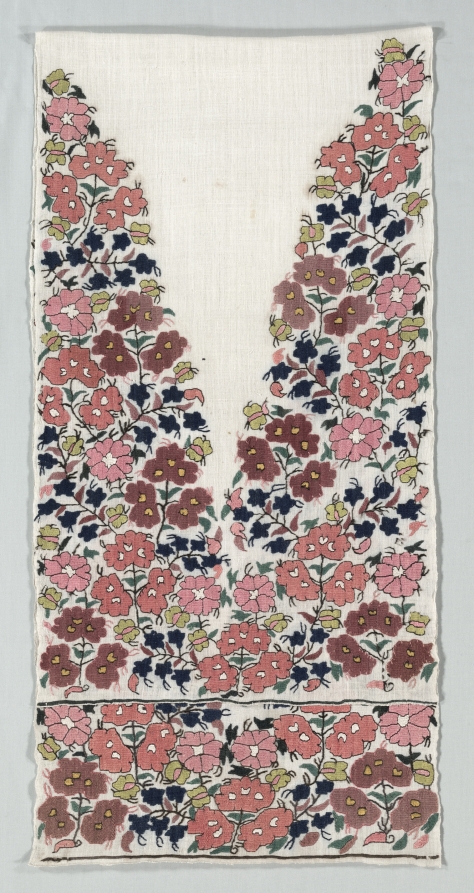
The Scarf as Artefact: Silk, Imperial Legacy, and the Modern Wardrobe
Introduction: The Weight of a Thread
In the hushed corridors of Savile Row, where tailoring is a liturgy and cloth a sacrament, the scarf is often dismissed as an accessory—a mere flourish. Yet, for the Senior Heritage Specialist at the Lauren Fashion Heritage Lab, the scarf is a document. It is a portable archive of empire, a testament to material mastery, and a silent negotiator of status. When that scarf is woven from silk, its narrative deepens, drawing a direct line from the imperial looms of the East to the bespoke wardrobes of the West. This artifact, a simple rectangle of silk, carries the weight of centuries: the hushed whispers of Chinese dynasties, the clatter of Ottoman bazaars, and the measured precision of French and Italian ateliers. To understand the scarf is to understand the thread that binds commerce, culture, and craftsmanship.
Materiality: The Unrivaled Properties of Silk
Silk is not merely a fibre; it is a phenomenon. Its materiality—the lustrous sheen, the remarkable tensile strength, the ability to absorb dye with an almost painterly depth—sets it apart from wool, cotton, or linen. For the scarf, these properties are paramount. A silk scarf drapes with a fluidity that wool cannot mimic; it holds a crease with the precision of a pressed trouser, yet yields to the body’s movement. The sericin and fibroin proteins that compose silk filaments create a surface that reflects light differently from every angle, lending the scarf a chameleon-like quality. In the context of imperial weaving, this was not accidental. The Chinese imperial workshops, particularly during the Tang and Ming dynasties, perfected the reeling of silk from the Bombyx mori moth, producing threads of such uniformity that a single scarf could contain thousands of meters of continuous filament. This was a material of power—light enough to be carried across continents, yet durable enough to survive generations.
Imperial Legacy: From the Silk Road to the Royal Court
The legacy of imperial silk weaving is a story of monopoly and migration. For millennia, China guarded the secret of sericulture with an iron fist, exporting only finished goods. The scarf, in this context, was a diplomatic tool. Emperors gifted silk scarves to foreign envoys as symbols of favour, their patterns encoding rank and lineage. The dragon motifs of the Qing dynasty, for instance, were reserved for the imperial family; a scarf bearing such a design was a wearable edict. As the Silk Road expanded, Persian and Ottoman weavers began to replicate and innovate, creating their own imperial workshops. The Bursa silk industry in the Ottoman Empire produced scarves of such density and colour that they became the standard for European courts. By the 17th century, French weavers in Lyon—under the patronage of Louis XIV—had broken the Eastern monopoly, developing the Jacquard loom that allowed for intricate, repeatable patterns. The scarf became a canvas for the Rococo and later the Art Deco movements, each fold a testament to the weaver’s art.
The Scarf as Status: A Silent Language
In the lexicon of luxury, the silk scarf occupies a unique position. Unlike the suit, which announces its provenance through cut and shoulder, the scarf whispers. It is intimate, worn close to the skin, and often hidden beneath a coat lapel. Yet, its quality is immediately legible to the discerning eye. A Hermès scarf, for example, is not merely a square of silk; it is a narrative. Each design is hand-drawn, engraved, and printed using techniques that date to the 19th century. The hem is hand-rolled, a detail that requires years of training to perfect. In the imperial context, this attention to finish was a marker of courtly production. A scarf from the Imperial Silk Factory in Nanjing would have been inspected by the Emperor’s own agents; a single flaw could result in the weaver’s punishment. This legacy of perfectionism persists in the modern scarf, where the weight of the silk, the precision of the pattern, and the integrity of the dye are non-negotiable.
Preservation and Provenance: The Heritage Artifact
For the heritage specialist, the scarf is a fragile document. Silk is protein-based, susceptible to light, humidity, and acidity. The imperial scarves that survive in museum collections—such as those at the Victoria and Albert Museum or the Palace Museum in Beijing—are often faded, their colours muted by time. Yet, their patterns remain legible, offering clues to trade routes, dye sources, and aesthetic preferences. A scarf from the Ming dynasty might reveal the use of cochineal from the Americas, evidence of early globalisation. A 19th-century Paisley shawl from Kashmir, woven in silk and wool, tells a story of British colonial appropriation and the industrialisation of pattern. The scarf is, therefore, a primary source. Its provenance—the chain of ownership from weaver to wearer—must be meticulously documented. Was it a gift from a diplomat? A souvenir from the Grand Tour? A family heirloom passed through generations? Each answer adds a layer to its heritage.
Modern Relevance: The Scarf in the Savile Row Wardrobe
Today, the silk scarf remains a staple of the discerning wardrobe, but its role has evolved. On Savile Row, it is no longer a marker of imperial power but of personal style. A gentleman might wear a silk scarf in a Grenadine weave—a porous, textured silk that offers warmth without bulk—tucked into the collar of a bespoke shirt. A woman might drape a 90cm square over the shoulders of a tweed jacket, the pattern echoing the colours of the countryside. The scarf’s materiality endures: silk’s breathability makes it suitable for all seasons, its weightlessness ideal for travel. Yet, the legacy of imperial weaving persists in the quality of the silk. The best scarves still come from mills that trace their lineage to the imperial workshops—the Como silk mills in Italy, for instance, or the Kyoto weaving studios in Japan. These are not mass-produced goods; they are artifacts, each one a chapter in the long history of silk.
Conclusion: The Thread That Binds
The scarf is a paradox: a small object that contains a vast history. Its materiality—silk—is both delicate and durable, a fibre that has survived empires and revolutions. Its context—the legacy of imperial silk weaving—reminds us that luxury is never apolitical. The scarf is a document of power, a testament to craftsmanship, and a silent companion in the daily ritual of dressing. For the heritage specialist, it is a call to preserve not just the object, but the knowledge it embodies. The weaver’s hand, the dyer’s eye, the merchant’s journey—these are the threads that bind the past to the present. In a world of fast fashion and disposable goods, the silk scarf stands as a quiet rebuke. It is an artifact of permanence, a reminder that true luxury is not about acquisition, but about legacy.