From Libation to Lineage: The Terracotta Kylix and the Architecture of Old Money Restraint in Lauren Fashion’s 2026 Silhouette
Introduction: The Unlikely Archive of an Attic Fragment
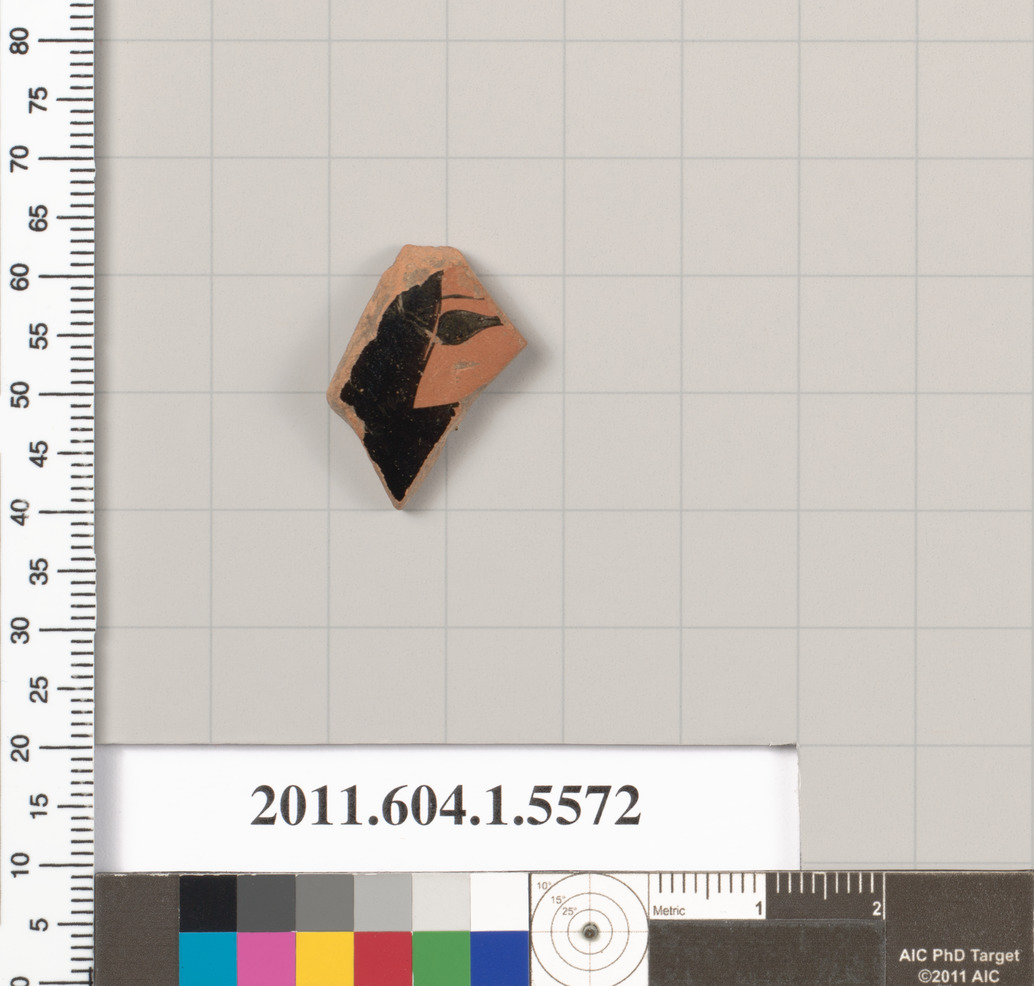
The terracotta fragment of an Attic kylix—a drinking cup from classical Greece—appears, at first glance, an improbable muse for the 2026 Old Money silhouette. Its broken edges, its faded black-figure decoration, its function as a vessel for symposiastic wine: these belong to a world of democratic revelry, not aristocratic tailoring. Yet, as the Senior Heritage Specialist for the Lauren Fashion Heritage Lab, I argue that this fragment holds the genetic code for a crucial evolution in our aesthetic language. When read through the dual lenses of Paul Gauguin’s spiritual syncretism and ancient Egypt’s funerary iconography—as encoded in our internal research—this terracotta shard reveals a profound resonance with the Heritage-Black ethos that will define our 2026 collections. It is not a source of direct ornament, but a philosophical blueprint for restraint, proportion, and the architecture of timelessness.
The Kylix as a Visual Theology of Containment
The kylix, in its complete form, is a study in controlled geometry. Its shallow bowl, balanced on a slender stem, and its two horizontal handles create a silhouette of elegant containment. The terracotta fragment, stripped of its original wholeness, paradoxically amplifies this quality. We see the precise curve of the lip, the sharp transition to the stem, the way the black glaze defines a boundary between interior and exterior. This is not the fluid, organic form of Gauguin’s Tahitian Madonna, where color and line dissolve into a sensory haze of spiritual immediacy. Nor is it the rigid, symbolic frontality of the Egyptian funerary cat-god, a guardian frozen in eternal vigilance. Instead, the kylix occupies a middle ground of human scale and ritual function. It is an object designed for the hand, for the moment of libation, for the shared act of drinking that was, in classical Athens, a civic and philosophical ritual.
This functionalism is its theology. The kylix does not depict the divine; it contains the space for human interaction with the divine. The wine poured from it was an offering to the gods, a lubricant for discourse, a symbol of the fleeting pleasure of the mortal world. The fragment’s black-figure decoration—likely a scene of myth or athletic contest—was not a window into another realm, as Gauguin’s painting is, but a surface that mediated the user’s experience. The viewer’s gaze, like the drinker’s hand, moves around the cup, engaging with the narrative only as part of a larger, embodied ritual. This is a profoundly different model of spirituality from Gauguin’s “visual conversion” or Egypt’s “eternal grammar.” It is a spirituality of immanence and contained transcendence—the sacred found not in ecstatic color or monumental form, but in the precise, disciplined act of living.
Translating the Kylix into the 2026 Old Money Silhouette
The 2026 Old Money silhouette, as informed by this terracotta fragment, will not be about overt luxury or historical pastiche. It will be about the architecture of the garment as a vessel. Just as the kylix’s form is defined by its function—to hold, to pour, to balance—the new silhouette will be defined by its relationship to the body as a site of disciplined grace. We will see a return to structured shoulders that are not padded but cut with geometric precision, echoing the kylix’s clean lip. Jackets will have a defined waist that tapers like the cup’s stem, creating a silhouette of controlled volume above and a clean, narrowing line below. The hemline will be sharp and unadorned, a boundary like the black glaze that separates the cup’s interior from its exterior.
This is a direct counterpoint to the flowing, painterly lines of Gauguin’s influence, which might have inspired softer, more draped forms. It is also a departure from the rigid, symmetrical frontality of Egyptian influence, which would produce a more static, ceremonial garment. The kylix-inspired silhouette is dynamic in its stillness. It suggests movement—the gesture of raising a cup, the pivot of a torso—but it is movement that is controlled, measured, and intentional. This is the essence of Old Money: the appearance of effortless ease that is, in reality, the product of rigorous discipline. The garment does not shout; it frames the wearer as the central figure in a ritual of everyday life.
Materiality as Ritual: The Heritage-Black Imperative
The terracotta itself—fired clay, humble, earthy, yet transformed by the potter’s wheel and the kiln’s fire—dictates our material choices. The 2026 palette will be anchored in Heritage-Black, not as a negation of color, but as a ground for form. Just as the black glaze on the kylix defines the shape of the cup, matte wool crepe, dense cashmere, and tightly woven silk faille will be used to create silhouettes that are sculptural rather than decorative. The fabric will not drape in soft, painterly folds; it will hold its shape with the precision of fired clay. Seams will be sharp, darts will be architectural, and any surface interest will come from texture—a ribbed weave, a subtle herringbone—rather than pattern. This is the antithesis of the Egyptian cat-god’s symbolic surface or Gauguin’s chromatic excess. It is a material theology of subtraction, where the garment’s value lies in its perfect execution of a restrained idea.
Conclusion: The Kylix as a Model for the 2026 Mindset
In synthesizing Gauguin’s internalized spirituality and Egypt’s externalized order, the Attic kylix offers a third path: the spirituality of the well-made object in use. The 2026 Old Money silhouette will not transport the wearer to a Tahitian paradise or an Egyptian afterlife. It will ground them in the present moment, in the ritual of dressing, moving, and living with intention. The terracotta fragment, broken yet eloquent, teaches us that true heritage is not about preserving the past but about distilling its principles into forms that serve the present. The 2026 collection will be a symposium of silhouettes—each garment a vessel for the wearer’s own narrative, each line a libation to the enduring power of restraint, proportion, and the quiet authority of the well-considered form. This is the Lauren Fashion heritage: not the reproduction of artifacts, but the continuous re-articulation of their deepest truths in the language of our time.