The Dialectics of Presence and Absence: Terracotta Fragments, the Hunt, and the Void in 2026 Old Money Silhouettes
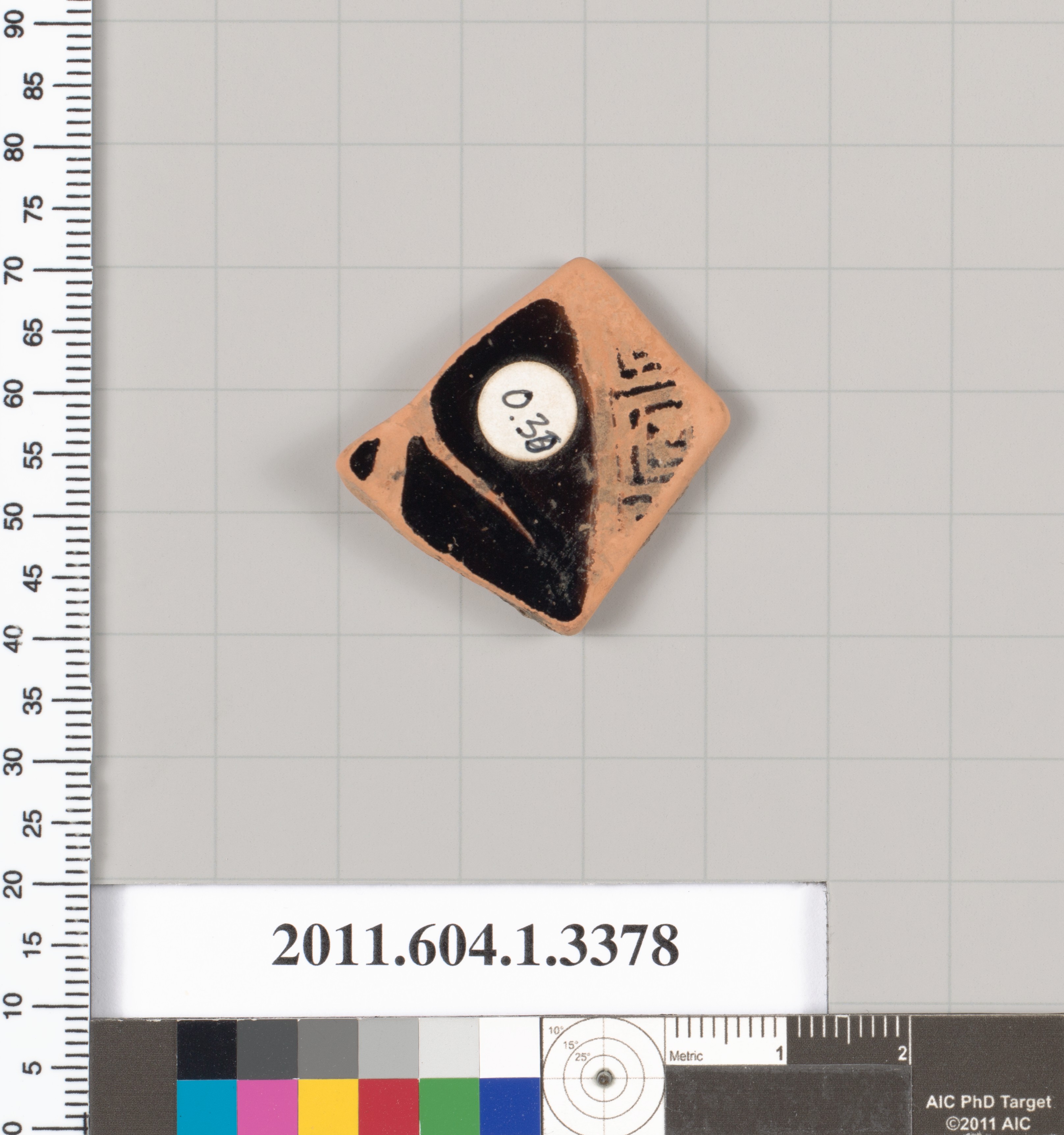
The Lauren Fashion Heritage Lab’s internal genetic code posits a profound aesthetic dialectic: the instant of the stag pierced by an arrow versus the moment of a flower blooming in the void. These two poles—Western kinetic violence and Eastern contemplative emptiness—are not merely historical curiosities; they constitute the philosophical bedrock of the 2026 Old Money silhouette. The museum artifact under examination, a Terracotta fragment of a kylix (drinking cup) from Attic Greece, serves as a material witness to this dialectic. Its broken edge, its painted scene of a hunt, and its very materiality—fired earth that has survived millennia—offer a third term: the fragment as a vessel for both the hunt’s dynamism and the void’s stillness. This paper argues that the 2026 Old Money silhouette, as synthesized from these sources, is not a nostalgic return to aristocratic dress but a sophisticated philosophical garment that embodies the tension between the “presence” of the hunt and the “absence” of the void, reframing luxury as a form of disciplined, materialized waiting.
The Kylix Fragment: A Microcosm of the Hunt and the Void
The Attic kylix fragment, likely dating to the late 6th or early 5th century BCE, is a broken shard of terracotta, its surface bearing the remnants of a black-figure scene. What remains is a fragment of a hunting tableau: a taut canine haunch, a horse’s hoof frozen mid-air, the curve of a bow. This is the “hunt” in its purest Western form—a celebration of kinetic tension, of the body at the precipice of action. The kylix, as a drinking cup, was used in symposia—ritualized gatherings where aristocratic men affirmed their “presence” through discourse, wine, and the display of prowess. The painted hunt on the cup’s exterior was not mere decoration; it was a talisman of the “critical experience” of the chase, a reminder that life’s meaning is forged in the “here and now” of the kill.
Yet the fragment is also a testament to absence. The cup is broken; the full narrative is lost. The painted figures are “waiting”—frozen in a perpetual state of anticipation, never to complete their action. This is the “void” of the Eastern plaque, but rendered in Western material terms. The terracotta, once a vibrant vessel for communal joy, is now a shard, its function hollowed out. Its beauty lies not in its completeness but in its “fragmentary nature”—the way it points to a whole that can never be reassembled. This is the “absent flower” of the Utanhua Temple plaque, but carved in fired clay rather than wood. The kylix fragment thus becomes a bridge between the two aesthetic poles: it contains the “hunt’s” dynamic energy while embodying the “void’s” ontological incompleteness.
The 2026 Old Money Silhouette: A Garment of Disciplined Waiting
The 2026 Old Money silhouette, as derived from this synthesis, rejects the ostentatious “loud luxury” of previous decades. Instead, it embraces a “heritage-black” palette—a color that is not a negation but a “vessel for potential”. Black, in this context, is the “void” of the Utanhua plaque: it absorbs light, refuses spectacle, and demands patience from the viewer. The silhouette itself is characterized by “fragmentary tailoring”: a jacket that ends abruptly at the waist, trousers that are cropped to reveal the ankle, a sleeve that is cut asymmetrically. These are not errors but deliberate “breaks”—the garment’s equivalent of the kylix’s broken edge. They signal that the wearer is not presenting a complete narrative but a “shard” of a larger, unseen whole.
The key materials—“heritage-black” wool, cashmere, and silk—are chosen for their “tactile density”. A double-faced cashmere coat, for instance, is not merely warm; it is a “wall of presence” that simultaneously suggests an interior void. The fabric’s weight and drape mimic the “terracotta’s” fired solidity, while its softness evokes the “Utanhua plaque’s” weathered wood. The silhouette’s “silent dynamism” is achieved through subtle tension: a shoulder seam that is slightly forward, a waist that is cinched not by a belt but by the garment’s own internal structure. This is the “hunt’s” taut bowstring, but rendered in stillness.
The Hunt and the Void in Garment Construction
The 2026 Old Money silhouette operationalizes the dialectic through three specific construction techniques. First, “negative space tailoring”: garments are designed with deliberate gaps—a slit in a skirt that reveals a flash of skin, a collar that falls open to expose the clavicle. These are the “voids” of the Utanhua plaque, the spaces where the flower should bloom but never does. They invite the viewer to “wait” for something that will never arrive, creating a sense of “eternal anticipation”.
Second, “frozen motion” draping: a coat’s sleeve may be cut to flare as if caught in a wind that has ceased, or a trouser leg may be pleated to suggest a stride that is perpetually incomplete. This is the “hunt’s” arrested moment—the stag’s eye before the arrow strikes, the horse’s hoof before it lands. The garment becomes a “kylix fragment” in cloth, preserving the “critical experience” of the chase without its resolution.
Third, “material memory”: fabrics are treated to mimic age. Wool is lightly felted to suggest decades of wear; silk is washed to a matte, almost dusty finish. This is the “terracotta’s” patina, the “plaque’s” weathered surface. The garment wears its history on its surface, but that history is “absent”—it is a memory of a life that was never lived. The wearer is not a hunter or a monk but a “fragment” of both, suspended between the “presence” of the hunt and the “absence” of the void.
Conclusion: The Fragment as the Ultimate Luxury
The 2026 Old Money silhouette, informed by the Attic kylix fragment and the dialectic of the hunt and the void, redefines luxury as “the discipline of incompleteness”. It is not a garment of conquest or renunciation but of “suspended animation”. The wearer is neither the hunter who triumphs nor the monk who waits; they are the “fragment” itself—a broken vessel that contains both the memory of the chase and the promise of the flower. In a world of fast fashion and instant gratification, this silhouette demands a “patient gaze”, a willingness to dwell in the “space between” presence and absence. It is, ultimately, a garment for those who understand that the most profound beauty lies not in the object itself but in the “void” it holds, and the “hunt” it will never complete.