The Fragment and the Form: Terracotta Aesthetics and the Architecture of 2026 Old Money Silhouettes
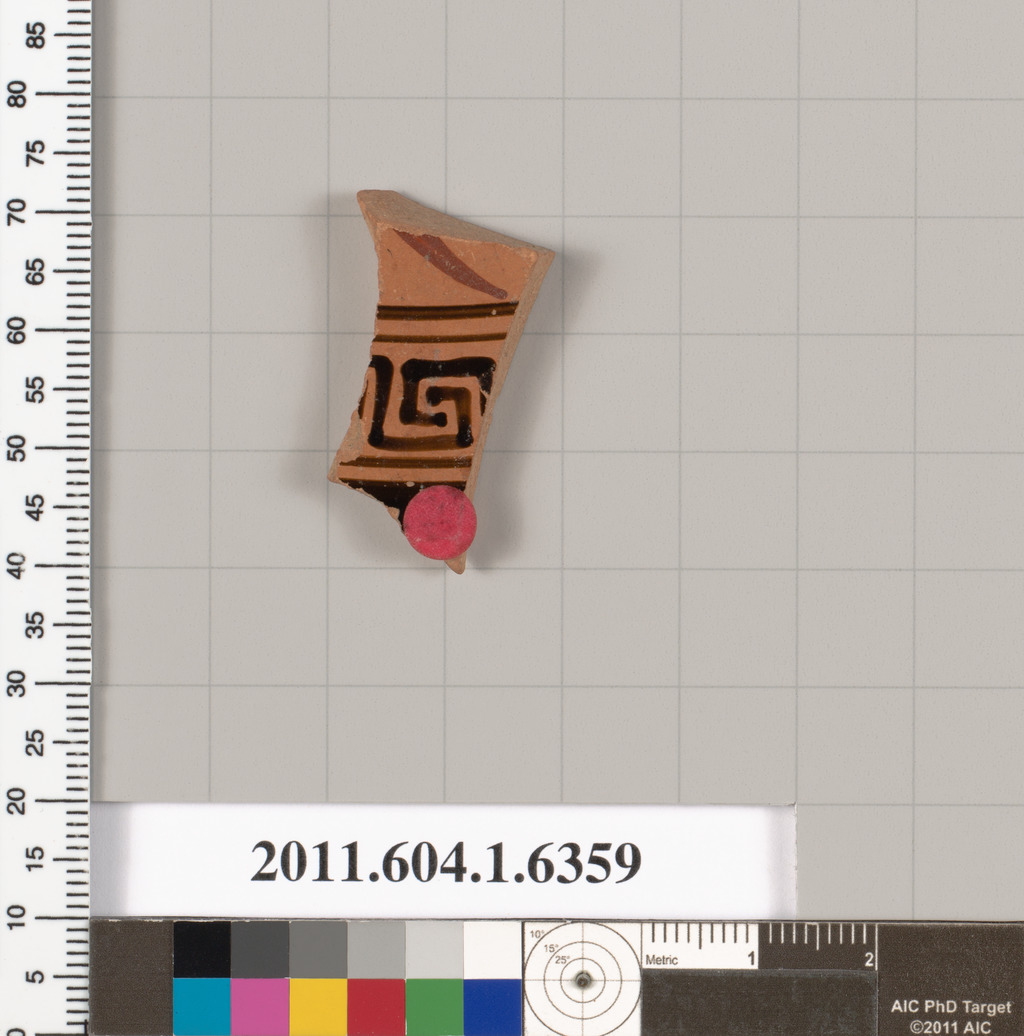
The genetic code of Lauren Fashion, as deciphered from the dialectic between the Bodhisattva and the Apis amulet, establishes a foundational principle: heritage is not a static repository of motifs, but a dynamic field of aesthetic philosophy and formal intelligence translated across mediums and millennia. When this internal code is brought into conversation with a deceptively simple artifact—a Terracotta fragment of a kylix (drinking cup) from Attic Greece—a potent blueprint for the 2026 Old Money silhouette emerges. This analysis posits that the kylix fragment, in its fractured state, informs a sartorial ideology centered not on ostentation, but on architectural purity, calibrated exposure, and the eloquent silence of restraint, defining a new chapter of understated authority.
The Kylix Fragment: Deconstructing the Classical Ideal
The terracotta fragment, once part of a vessel for symposium (a ritualized drinking party), is a palimpsest of classical values. Its very fragmentation is instructive. We do not behold a complete, ornate cup, but a shard that reveals the essential architecture of the form: the elegant, sweeping curve that would have comprised its bowl or stem. This curve is not arbitrary; it is the product of precise wheel-throwing, a marriage of function (ergonomics for drinking) and an ideal of geometric harmony. The terracotta material—fired earth—speaks of grounded authenticity and a beauty derived from form, not applied decoration. The fragment’s surface, likely once adorned with black or red-figure scenes, now focuses our attention on its texture, curvature, and the integrity of its broken edge. It embodies a paradox: it is a ruin, yet its aesthetic power is undiminished; it is partial, yet it fully communicates the essence of the whole. This is the core tenet it bequeaths to 2026: silhouette as the primary narrative, where what is removed is as critical as what remains.
From Ceramic Curve to Sartorial Architecture: The 2026 Silhouette
Informed by this fragment, the 2026 Old Money silhouette moves away from the soft, oversized volumes of recent years toward a language of considered, structural clarity. The "Old Money" ethos is reinterpreted not as a display of wealth, but as the confidence of inherited, unassailable form—akin to the classical ideal.
The Draped Column: The most direct translation is seen in dresses and coats. Imagine a single piece of the finest wool-cashmere blend or heritage-black matte jersey, cut not with complex seams, but with a genius for draped construction that mirrors the kylix’s curve. The garment wraps the body, creating a continuous, unbroken line from shoulder to hem—a silhouette that is both a modern column and a ceramic curve. The fabric falls with the gravity-defying precision of a terracotta bowl’s wall, achieving volume without bulk, shape without rigidity. This echoes the Bodhisattva’s衣纹, where drapery guides the eye and implies an inner structure, translating spiritual poise into sartorial posture.
The Art of the Fragment (Strategic Exposure): The broken edge of the kylix shard teaches a masterclass in exposure. In 2026, this manifests not as overt skin-baring, but as architectural negative space. A precisely placed cut-out at the back of a sheath dress, following the scapula’s line; a jacket with a seam that opens just above the elbow to reveal a sliver of sleeve beneath; a neckline that is a geometric excision rather than a simple plunge. These are not decorative details but structural interventions that fragment the silhouette to make it more compelling, echoing the way the artifact’s breakage forces us to contemplate its form anew. It is the wearable equivalent of a Calder mobile—defined by balance, space, and implied movement.
Materiality as Fired Earth: The Heritage-Black Palette & Textural Integrity
The terracotta’s material essence directly informs the palette and fabric philosophy. Heritage-Black becomes the dominant neutral—not a flat black, but a spectrum of deep, complex shades: iron-oxide black, fired-clay black, ash-black. This palette carries the weight and authenticity of the earth, functioning as the sartorial equivalent of terracotta’s humble yet noble substance. Texture becomes paramount. Fabrics are chosen for their inherent, tactile truth: dry, paper-weight wools that hold a blade-sharp crease; matte-finish technical silks that mimic the chalky feel of unfired clay; structured cottons with the body of canvas. Embellishment, if present, is integral rather than applied—a broché weave suggesting a faded fresco, a seam treated as a raised ridge. This approach mirrors the Egyptian amulet’s functional materiality, where form and symbol are one, and rejects superficial adornment in favor of depth born from substance.
Ultimately, the terracotta fragment guides Lauren Fashion toward an Old Money silhouette that is archaeological and architectural. It is an aesthetic of refined reduction, where the body is the vessel and the garment is its perfectly proportioned, intelligently fractured form. This 2026 silhouette does not shout; it articulates. It understands that true authority, like the classical ideal preserved in a shard, lies in the enduring power of essential form, the poetry of the partial view, and the profound statement made by what is left unsaid. It completes the spiritual dialogue begun by the Bodhisattva and the amulet, offering a third path: a secular sacredness found in the purity of line, the honesty of material, and the quiet, monumental confidence of a silhouette that has been thoughtfully excavated from the depths of heritage.