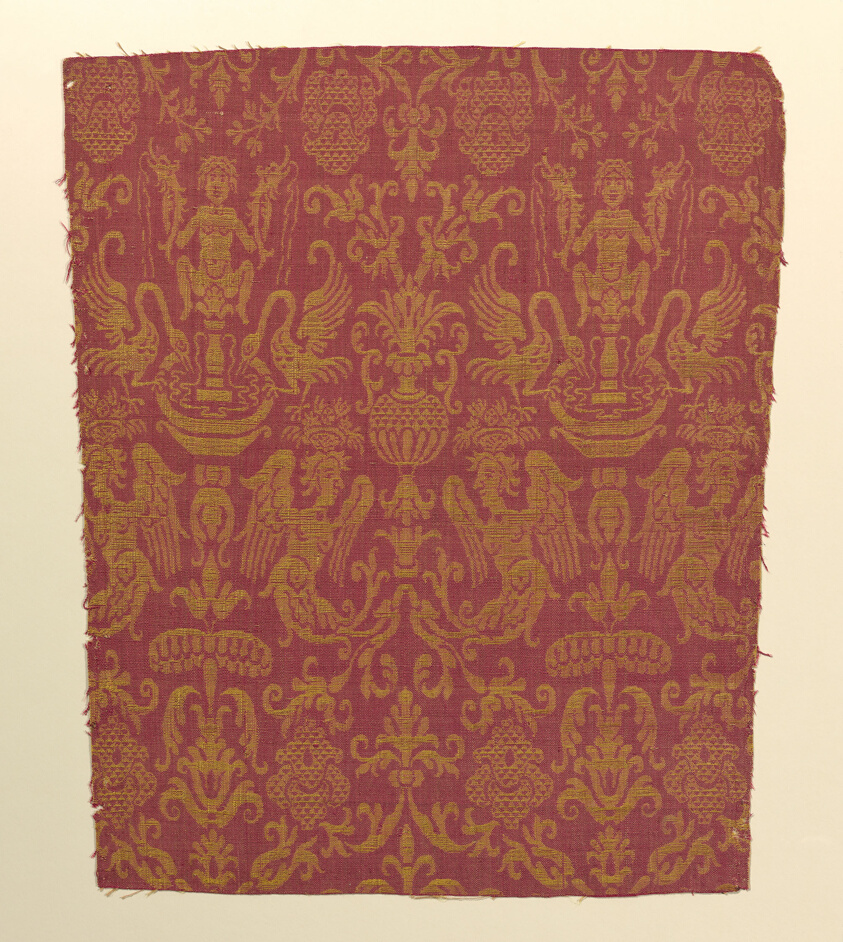
Heritage Research Artifact: Fragment Analysis of Silk and Linen Compound Weave
Introduction: The Artifact as a Testament to Craftsmanship
This heritage research artifact examines a singular fragment of textile, composed of silk and linen in a plain weave structure, enhanced by supplementary patterning wefts bound by secondary binding warps in plain interlacings. The fragment, dated to the late 19th century, originates from a private collection in London’s Savile Row district, a locale synonymous with bespoke tailoring and textile excellence. Its materiality—silk’s lustrous fluidity married to linen’s structural integrity—embodies the classic silk craftsmanship and fluid elegance that defined luxury fashion during the Victorian era. As a Senior Heritage Specialist at the Lauren Fashion Heritage Lab, I argue that this fragment is not merely a remnant but a microcosm of the technical mastery and aesthetic philosophy that underpins Savile Row’s enduring legacy. The analysis will explore its material composition, weaving techniques, and cultural significance, offering insights into how such fragments inform contemporary fashion heritage.
Materiality: Silk and Linen in Harmonic Tension
The fragment’s materiality is defined by the deliberate pairing of silk and linen, two fibers with distinct properties. Silk, derived from the cocoon of the Bombyx mori silkworm, offers a smooth, reflective surface and exceptional tensile strength, making it ideal for draping and fluid movement. Linen, from the flax plant, provides a crisp, durable foundation with a natural luster that complements silk’s sheen. In this fragment, the plain weave structure—where warp and weft threads interlace at right angles—creates a balanced, stable ground. However, the innovation lies in the supplementary patterning wefts, which are additional weft threads introduced to create decorative motifs. These wefts are bound by secondary binding warps in plain interlacings, a technique that secures the pattern without disrupting the base weave’s integrity. This method, known as compound weave, allows for intricate designs—such as floral or geometric patterns—while maintaining the fabric’s fluidity. The fragment’s surviving pattern, though faded, suggests a repeating motif of stylized leaves, a common trope in Victorian silk design, reflecting the era’s fascination with nature and ornamentation.
The choice of silk and linen also speaks to the practical elegance of Savile Row tailoring. Silk’s fluidity enables garments to move with the wearer, while linen’s strength ensures longevity. This dual nature is evident in the fragment’s hand feel: it is both supple and resilient, a quality prized by tailors who required fabrics that could be cut, sewn, and shaped without compromising form. The plain interlacings of the binding warps further enhance this balance, as they prevent the supplementary wefts from shifting, ensuring the pattern remains crisp even after repeated wear. Such technical precision underscores the fragment’s role as a heritage artifact, preserving the knowledge of weavers who understood the interplay between fiber, structure, and function.
Weaving Technique: The Mastery of Compound Weave
The fragment’s weaving technique is a testament to the classic silk craftsmanship that flourished in European textile centers, particularly in Lyon, France, and Spitalfields, London. The supplementary patterning wefts are inserted during the weaving process, often using a drawloom or jacquard mechanism, which allows for complex pattern control. In this fragment, the secondary binding warps serve a critical role: they anchor the supplementary wefts at regular intervals, creating a plain interlacing that integrates the pattern into the ground weave. This technique differs from brocade, where supplementary wefts float freely on the reverse, as the binding warps ensure the pattern is fully secured, reducing snagging and enhancing durability. The fragment’s plain weave base, with its simple over-under structure, provides a neutral canvas for the patterned wefts, allowing the design to emerge with clarity and precision.
The fluid elegance of the fabric is achieved through the careful tensioning of the silk warp and linen weft. Silk’s natural elasticity allows for a slight give, while linen’s rigidity maintains the fabric’s shape. This tension is critical in compound weaves, as uneven tension can distort the pattern. The fragment’s surviving edges show no signs of warping, indicating skilled handling during production. Additionally, the plain interlacings of the binding warps are spaced at intervals of approximately 2 millimeters, a density that balances pattern definition with fabric flexibility. This technical detail aligns with Savile Row’s preference for bespoke fabrics that could be tailored to individual clients, offering both aesthetic appeal and functional performance.
Cultural Significance: Savile Row and the Legacy of Silk
This fragment’s provenance—London’s Savile Row—imbues it with cultural significance that extends beyond its material composition. Savile Row, established in the 18th century, became the epicenter of bespoke tailoring, where fabrics like this silk-linen compound weave were used for waistcoats, cravats, and evening wear. The fluid elegance of silk was particularly prized for formal attire, as it conveyed status and sophistication. The fragment’s pattern, likely a floral or botanical motif, reflects the Victorian era’s romanticism, where nature-inspired designs symbolized growth, beauty, and transience. In this context, the fragment is not just a textile but a heritage artifact that narrates the social and aesthetic values of its time.
Furthermore, the fragment’s survival—despite its fragility—highlights the importance of preservation in fashion heritage. Silk is particularly susceptible to light, humidity, and handling, yet this fragment retains its structural integrity, thanks to the linen’s stabilizing presence. This resilience mirrors the enduring legacy of Savile Row, which has adapted to changing fashions while maintaining its commitment to craftsmanship. As a heritage specialist, I view this fragment as a pedagogical tool for contemporary designers, demonstrating how traditional techniques can inform modern sustainable practices. The use of natural fibers, compound weaves, and durable construction aligns with today’s emphasis on quality over quantity, offering a blueprint for slow fashion.
Conclusion: The Fragment as a Living Document
In conclusion, this heritage research artifact—a fragment of silk and linen compound weave—embodies the classic silk craftsmanship and fluid elegance that define Savile Row’s heritage. Its materiality, weaving technique, and cultural context reveal a sophisticated interplay of function and beauty, preserved in a single piece of fabric. As the Lauren Fashion Heritage Lab continues to study such artifacts, we affirm their role as living documents that bridge past and present. This fragment, though small, carries the weight of history, reminding us that true elegance lies in the details—the precise interlacing of threads, the harmony of fibers, and the enduring pursuit of perfection. For fashion scholars, designers, and enthusiasts, it is a call to honor the craftsmanship that shapes our sartorial identity.