The Braid as a Testament to Silk Craftsmanship: Materiality, Technique, and the Elegance of Bobbin Lace
Introduction: The Unspoken Language of the Braid
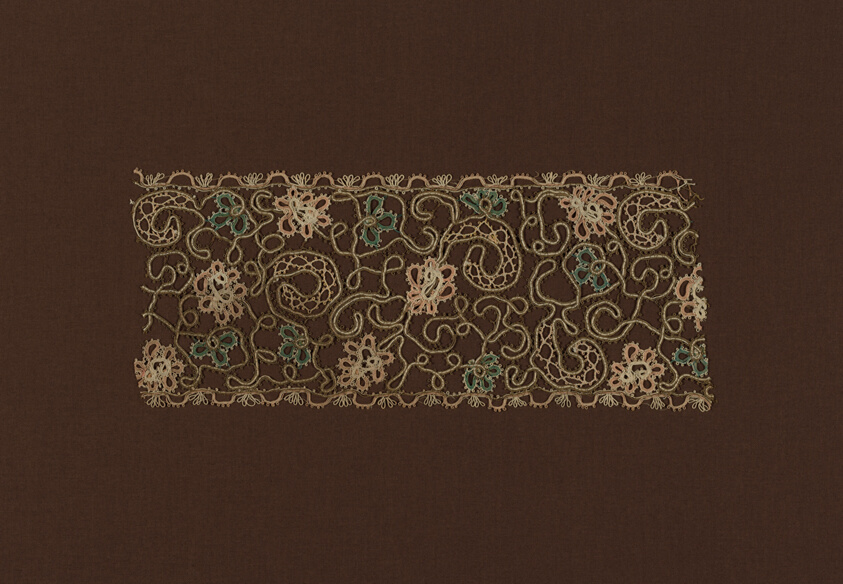
In the rarefied world of luxury textiles, where every thread carries the weight of tradition and innovation, the braid emerges as a silent yet profound communicator of heritage. At the Lauren Fashion Heritage Lab, we approach the braid not merely as a functional trim or decorative accent, but as a concentrated artifact of material mastery. This research artifact examines the braid through the lens of silk craftsmanship, focusing on its construction from silk, silk-wrapped-hemp, and silk-wrapped-linen cords, executed in the intricate technique of bobbin straight lace. The context is one of classic silk craftsmanship and fluid elegance, where the braid transcends its utilitarian origins to embody the very essence of refined design.
Materiality: The Triad of Silk, Hemp, and Linen
The foundation of any exceptional braid lies in the materials from which it is wrought. In this artifact, the primary material is silk—a fibre synonymous with luxury, strength, and a luminous sheen that captures light with a fluid grace. Silk’s natural protein structure allows it to absorb dye deeply, yielding a chromatic depth that synthetic fibres cannot replicate. However, the genius of this braid lies in its composite nature. The cords are not merely silk; they are silk-wrapped-hemp and silk-wrapped-linen. This construction is a deliberate choice, marrying the opulence of silk with the structural integrity of hemp and linen.
Hemp, with its long, robust fibres, provides tensile strength and a subtle, earthy texture that prevents the braid from feeling overly delicate. Linen, derived from the flax plant, contributes a crisp, clean finish and a natural resistance to fraying. By wrapping these core materials in silk, the artisan achieves a paradox: a braid that is both resilient and supple, capable of holding its shape while draping with an almost liquid ease. This technique, reminiscent of the finest Savile Row tailoring, ensures that the braid does not merely adorn but actively participates in the garment’s architecture, offering a tactile experience that is as refined as it is durable.
Technique: Bobbin Straight Lace and the Art of Precision
The execution of this braid through bobbin straight lace elevates it from a simple plait to a work of art. Bobbin lace, a technique with roots in 16th-century Europe, involves the manipulation of multiple threads wound on bobbins, which are crossed and twisted over a pillow to create intricate patterns. In the case of straight lace, the design is linear, with a focus on parallel threads and geometric precision. This method demands extraordinary skill: each movement of the bobbins must be deliberate, with tension maintained uniformly to avoid distortion.
For our braid, the use of silk-wrapped cords in bobbin straight lace creates a structure that is both tight and airy. The cords are not simply twisted; they are interwoven in a sequence that produces a flat, ribbon-like form with a subtle, three-dimensional relief. The silk wrapping catches the light differently along each twist, creating a play of highlights and shadows that mimics the fluidity of water. This is not a static object but a dynamic one, responding to movement with a quiet shimmer. The precision required for this technique aligns with the ethos of London Savile Row, where a master tailor’s hand is evident in every stitch, and where the line between craft and art is deliberately blurred.
Context: Classic Silk Craftsmanship and Fluid Elegance
The context of this braid is one of classic silk craftsmanship—a tradition that values patience, material knowledge, and an unwavering commitment to quality. In the ateliers of Savile Row, silk is often reserved for linings, pocket squares, and ties, but here it is elevated to the primary structural element of a braid. This choice speaks to a broader philosophy: that even the smallest details should be executed with the same rigour as the main garment. The fluid elegance of the braid is not accidental; it is the result of a deep understanding of how materials behave under tension and how they interact with the human form.
Consider the braid’s application: it might edge a silk gown, cinch a tailored jacket, or serve as a decorative element on a bespoke handbag. In each case, its fluidity allows it to conform to curves and contours without stiffness, while its silk-wrapped cords ensure that it retains a lustrous finish. This is elegance in motion—a braid that does not fight the fabric but dances with it. The choice of hemp and linen cores also introduces a subtle contrast: the organic, slightly irregular texture of these natural fibres grounds the silk’s opulence, preventing it from becoming overly precious. It is a lesson in balance, one that the finest heritage houses have perfected over centuries.
Heritage and Preservation: The Braid as a Living Artifact
As a heritage artifact, this braid represents more than a technique; it embodies a lineage of knowledge. The art of bobbin lace is endangered, with few practitioners remaining who can execute it at this level of refinement. Similarly, the practice of wrapping hemp and linen in silk is a vanishing skill, one that requires both manual dexterity and an intuitive feel for materials. At the Lauren Fashion Heritage Lab, we view such artifacts as living documents—objects that carry the fingerprints of their makers and the echoes of their time.
Preservation of this braid involves not only careful storage—away from light, humidity, and mechanical stress—but also documentation of its construction. We create detailed diagrams of the bobbin lace pattern, noting the sequence of twists and crosses, and we catalogue the source of each material: the silk from mulberry worms in China, the hemp from European fields, the linen from Normandy. This ensures that future generations of artisans can study and, if possible, replicate the technique. The braid is not a relic to be admired from a distance; it is a tool for education, a bridge between past and future craftsmanship.
Conclusion: The Enduring Allure of the Silk Braid
In the lexicon of luxury, the braid is often overlooked—a humble trim in a world of grand gestures. Yet, as this research artifact demonstrates, its materiality and technique reveal a depth of artistry that rivals any bespoke garment. The combination of silk, silk-wrapped-hemp, and silk-wrapped-linen cords, executed in bobbin straight lace, creates a braid that is at once strong and delicate, classic and contemporary. It is a testament to the enduring power of silk craftsmanship, a reminder that true elegance lies in the details. On Savile Row, where tradition and innovation walk hand in hand, such a braid would be not merely an accessory but a statement—a quiet declaration of mastery that speaks volumes without uttering a word.