The Fragment as Archive: Decoding Materiality and Mastery in a Silk-Embroidered Linen Relic
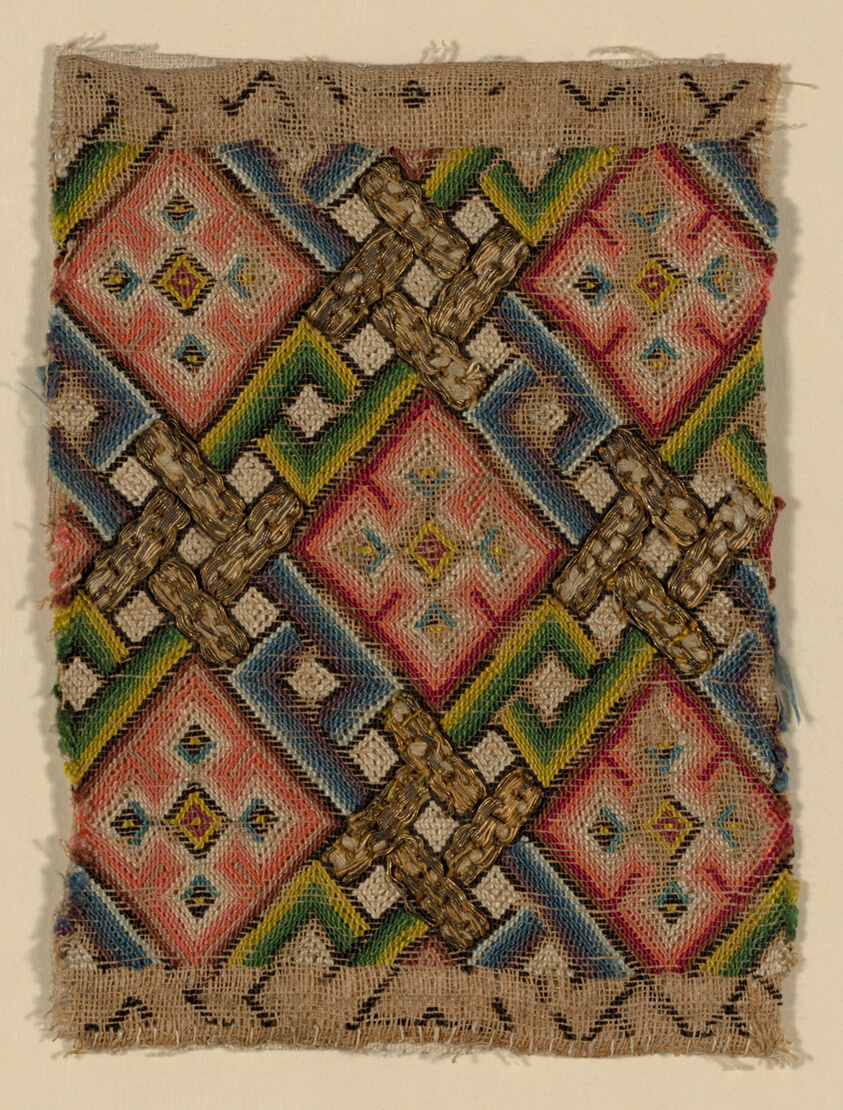
In the hushed ateliers of London’s Savile Row, where the language of cloth is spoken in precise stitches and the weight of a fabric is a matter of honor, a fragment is never merely a remnant. It is a testament, a whispered narrative of skill, resource, and the fleeting nature of beauty. The artifact under examination—a linen ground, plain in its weave, yet transformed by an opulent embroidery of silk floss, gilt- and silvered-metal-strip-wrapped silk, executed in tent stitches and finished with padded couching—is not a scrap. It is a concentrated lexicon of heritage craftsmanship. This paper posits that this fragment, a microcosm of classic silk craftsmanship, embodies a fluid elegance that transcends its physical diminishment, serving as a critical artifact for understanding the material hierarchies, technical virtuosity, and aesthetic philosophies that defined elite textile production.
Materiality as a Hierarchy of Value
The foundation of this artifact is a humble yet deliberate choice: linen in a plain weave. In the context of high embroidery, linen was not a cost-saving measure but a structural necessity. Its tight, even grid provided an ideal, stable canvas for the dense, intricate work to follow. The plain weave, devoid of decorative pattern, acts as a silent partner, its neutrality allowing the embroidered surface to command absolute attention. This is a lesson in restraint—the ground is not a competitor but a foundation, a principle echoed in the clean lines of a Savile Row suit where the canvas beneath the wool dictates the silhouette.
The true hierarchy of value, however, is established by the embroidery materials. The silk floss, with its unspun, lustrous filaments, introduces a liquid, light-catching quality. It is the voice of fluidity. Contrasting this are the gilt- and silvered-metal-strip-wrapped silks. Here, the artisan has elevated thread to a precious metal. The gold and silver strips, meticulously wound around a silk core, are not merely decorative; they are a declaration of wealth, status, and the alchemical transformation of base materials into art. The use of both gilt and silvered threads creates a dynamic interplay of warm and cool tones, a chiaroscuro effect that animates the surface. This is not gilding for gilding’s sake; it is a calculated orchestration of light, a technique that demands the highest level of material understanding and financial investment.
Technical Virtuosity: The Stitch as Signature
The execution of this embroidery is where theory meets the hand. The primary stitch, the tent stitch, is a deceptively simple diagonal stitch that, when worked in rows, creates a dense, tapestry-like surface. In this fragment, the tent stitch is not used for mere coverage; it is employed to model form, to create shading, and to define the contours of the design. The precision of the tent stitch—each stitch uniform in tension and angle—speaks to a discipline that is the hallmark of a master embroiderer. It is the equivalent of a tailor’s perfectly executed pick stitch on a lapel: invisible to the untrained eye, yet the very definition of quality.
Yet, the most revealing technical element is the padded couching. This technique involves laying the metal-wrapped threads on the surface of the fabric and securing them with small, anchoring stitches, often of silk. The “padding” refers to a layer of soft material—likely wool or additional linen—placed beneath the couched threads to raise them into low, sculptural relief. This is not a flat surface; it is a topography. The padded couching creates a tangible, three-dimensional quality, a raised texture that invites touch and catches light from multiple angles. It is a technique that demands immense patience and skill, as the padding must be uniform and the couching stitches invisible. This fragment, therefore, is not just an image; it is a bas-relief, a tactile experience that elevates the work from decoration to sculpture.
Fluid Elegance and the Classical Ideal
The context of “classic silk craftsmanship and fluid elegance” is not merely descriptive; it is a philosophical framework. The fluidity is achieved through the interplay of materials and technique. The silk floss, with its natural sheen and soft drape, suggests movement, while the rigid, metallic threads provide structure and definition. The tent stitch, worked in subtle gradations of color, creates a seamless transition between light and shadow, mimicking the way a silk gown might fall and fold. The padded couching adds a final layer of dynamism, creating highlights that shift with the viewer’s perspective.
This elegance is “classic” in its adherence to principles of balance, proportion, and restraint. There is no superfluous ornament. Every stitch serves a purpose, every material is chosen for its specific contribution to the whole. This is the antithesis of ostentation; it is opulence refined through discipline. In the same way that a Savile Row tailor eschews flashy buttons in favor of perfect horn or mother-of-pearl, the embroiderer of this fragment has prioritized the integrity of the craft over mere display. The result is a work that is both sumptuous and serene, a testament to the belief that true luxury is found in the invisible perfection of execution.
Conclusion: The Fragment as Living Heritage
This linen fragment, embroidered with silk and metal, is far more than a decorative remnant. It is a primary source document, a material archive of techniques, materials, and aesthetic values that are increasingly rare in a world of mass production. It speaks of a time when the creation of a single square inch of fabric could require hours of labor by a highly skilled artisan. For the heritage specialist, it is a call to preserve not just the object, but the knowledge it contains. The fluid elegance it embodies is not a style that can be copied; it is a standard that must be learned, practiced, and passed down. In its frayed edges and faded threads, this fragment holds the memory of a golden age of craftsmanship, a reminder that the most profound beauty often resides in the smallest, most fragile of things. It is, in the truest sense, a piece of history that continues to teach us the language of excellence.