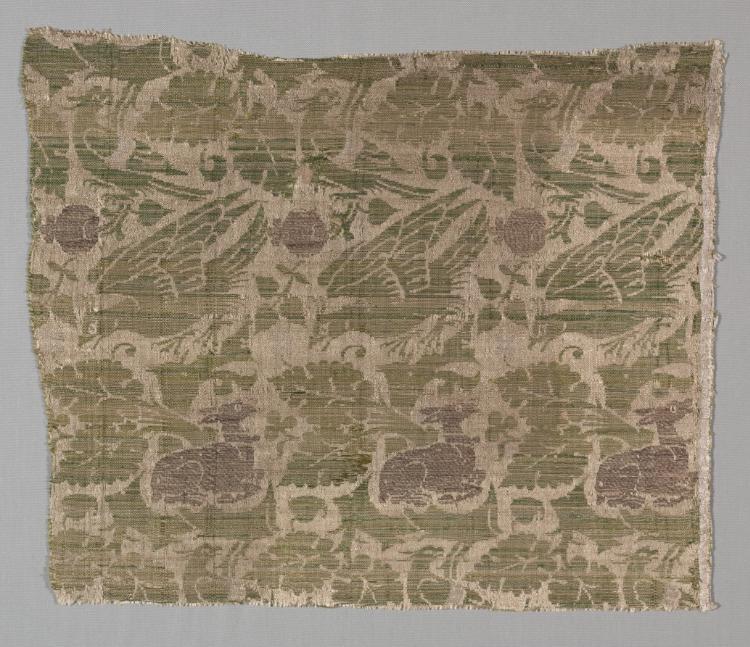
The Enduring Legacy of Imperial Silk: A Heritage Research Artifact on Silk and Gold Textiles
In the hushed ateliers of London’s Savile Row, where the air is thick with the scent of fine wool and the quiet hum of hand-stitching, there exists a reverence for materials that transcend mere fabric. Among these, the silk and gold textile stands as a singular artifact—a testament to centuries of imperial ambition, artisanal mastery, and the unyielding pursuit of perfection. As Senior Heritage Specialist for the Lauren Fashion Heritage Lab, I present this scholarly examination of silk and gold textiles, contextualized within the legacy of imperial silk weaving. This artifact is not merely a cloth; it is a chronicle of power, trade, and the alchemy of materiality.
Materiality: The Dual Nature of Silk and Gold
The materiality of silk and gold textiles is defined by a profound duality. Silk, derived from the cocoon of the Bombyx mori silkworm, is a protein fiber of unparalleled luster, tensile strength, and drape. Its natural sheen captures light with a subtle, almost liquid quality, while its thermal regulation—cool in summer, warm in winter—renders it a fabric of supreme comfort. Yet, silk alone is not enough. The integration of gold—typically in the form of gilded silver or gold thread, often wrapped around a silk core—transforms the textile into a symbol of divine and earthly authority. This gold thread, known as filé or lamé, is painstakingly crafted by flattening precious metal into gossamer-thin strips, then spiraling it around a silk filament. The result is a fabric that is both supple and rigid, luminous and weighty—a paradox that speaks to its imperial origins.
From a technical perspective, the weight and hand of silk and gold textiles demand exceptional skill. The gold thread adds significant density, requiring looms of robust construction and weavers with decades of experience. The interplay of warp and weft—often a silk warp and a gold weft—creates a surface that is not merely decorative but structural. The gold resists creasing, while the silk provides flexibility, yielding a fabric that holds its form with a quiet authority. This is not a material for the faint of heart; it is a textile that commands respect, much like the Savile Row tailor who handles it with the precision of a surgeon.
Imperial Context: The Legacy of Silk Weaving
The legacy of imperial silk weaving is inextricably linked to the courts of Byzantium, the Ming and Qing dynasties, and the Ottoman Empire, where silk and gold textiles served as diplomatic gifts, ceremonial regalia, and markers of rank. In the Byzantine Empire, for instance, purple silk woven with gold thread was reserved exclusively for the emperor, its production a state monopoly. The famed Imperial Silk Workshops of Constantinople, established in the 6th century, perfected the art of samite—a compound weave that allowed gold to float on the surface, creating intricate patterns of lions, eagles, and crosses. These textiles were not merely clothing; they were instruments of propaganda, embodying the divine right of the ruler.
Similarly, in Ming and Qing China, kesi (cut silk) and jin (brocade) techniques elevated silk and gold weaving to a pinnacle of artistry. The imperial workshops of Suzhou and Nanjing produced robes for the emperor and his court, where gold dragons coiled against silk clouds, each scale and claw meticulously rendered. The gold thread, often made from 24-karat gold leaf, was so fine that a single robe could require months of labor by a master weaver. This tradition of patronage ensured that the craft was passed down through generations, with techniques guarded as state secrets. The legacy of this imperial weaving is not merely historical; it informs the modern appreciation for luxury textiles, where the interplay of silk and gold remains a benchmark of opulence.
Technical Mastery: Weaving the Imperial Thread
The creation of a silk and gold textile is a symphony of technical precision. The first step is the preparation of the gold thread, a process that has changed little since antiquity. Gold is hammered into leaf, then cut into strips and wound around a silk core using a spinning wheel or filatoio. This thread is then woven on a drawloom, a complex apparatus that allows the weaver to control individual warp threads, creating patterns of extraordinary detail. The most common weave structures for silk and gold textiles include brocade, where the gold weft is introduced only in specific areas, and lampas, where a ground weave of silk supports a supplementary gold weft that floats on the surface.
In the context of Savile Row, the use of silk and gold textiles is rare but deliberate. A bespoke suit or evening jacket incorporating such fabric is a statement of heritage and exclusivity. The tailor must consider the fabric’s weight—typically 300 to 500 grams per meter—and its tendency to shift during cutting. The gold thread, while beautiful, can be abrasive to needles and requires careful hand-stitching to avoid damage. The lining, often of pure silk charmeuse, is chosen to complement the outer fabric without competing with its luminosity. This is a garment that is not worn lightly; it is a piece of art, a fragment of imperial history reimagined for the modern gentleman or woman.
Preservation and the Future of Silk and Gold
As Heritage Specialist, I must address the preservation of silk and gold textiles. These artifacts are vulnerable to light, humidity, and handling. Gold thread, though durable, can tarnish or become brittle over time, especially if the silver base oxidizes. Silk, a protein fiber, is susceptible to hydrolysis and photodegradation. In the Lauren Fashion Heritage Lab, we employ controlled environments—stable temperatures of 18-20°C, relative humidity of 45-50%, and UV-filtered lighting—to ensure these textiles endure for future generations. Digital documentation, including high-resolution imaging and spectral analysis, allows us to record the weave structure and gold content without physical contact.
The future of silk and gold textiles lies in the hands of a new generation of artisans and designers. On Savile Row, there is a quiet resurgence of interest in these materials, driven by a desire for authenticity and sustainability. Unlike mass-produced synthetics, silk and gold textiles are biodegradable and, if sourced ethically, support traditional weaving communities in China, India, and Italy. The challenge is to balance heritage with innovation—to preserve the techniques of imperial weaving while adapting them for contemporary use. This is not a nostalgia for the past but a commitment to excellence, a standard that Savile Row has upheld for over two centuries.
Conclusion: A Fabric of Power and Precision
The silk and gold textile is more than a material; it is a narrative of human ambition, technical mastery, and the enduring allure of luxury. From the imperial courts of Byzantium and China to the bespoke tailoring houses of London, this fabric has served as a marker of status, a vessel of artistry, and a testament to the alchemy of silk and gold. As we continue to study and preserve these artifacts, we honor not only the weavers of the past but also the craftsmen of the present who keep this legacy alive. In the quiet precision of a Savile Row tailor, the spirit of imperial silk weaving endures—a thread of gold in the fabric of history.